
Fifty-Four People Injured in Mosque Blast at Jakarta High School
A shocking explosion during prayers shakes a local high school in Indonesia’s capital, sparking questions about safety and resilience.

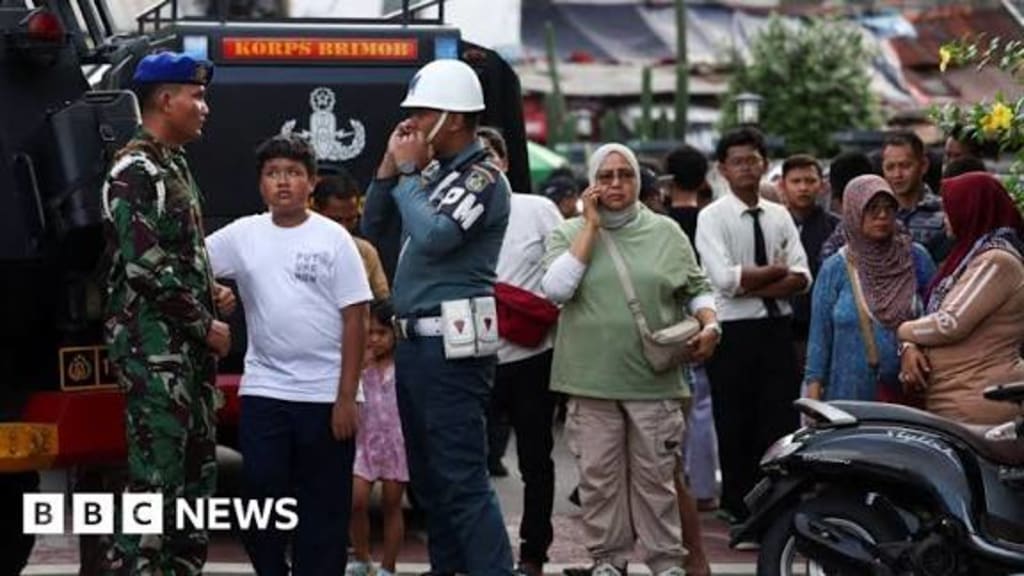
Jakarta, Indonesia’s bustling capital, is known for its vibrant culture, crowded streets, and deep-rooted sense of community. But on what began as an ordinary day of worship and learning, tragedy struck. A powerful blast inside a school mosque left fifty-four people injured, sending waves of fear and confusion across the city.
The explosion, which occurred during midday prayers, has become one of the most shocking incidents in recent memory for the local community. Authorities are still investigating the cause, while families, students, and teachers grapple with the emotional aftermath.
---
A Quiet Afternoon Turns to Chaos
It was early afternoon at a high school in East Jakarta when the explosion ripped through the mosque. Witnesses recall hearing a loud bang that echoed through the building, followed by screams and clouds of smoke. Students who had gathered for Zuhr prayers—the midday Islamic service—rushed for safety as debris fell around them.
Emergency services responded within minutes, with firefighters, police, and medical teams arriving at the scene. Dozens of injured students and teachers were rushed to nearby hospitals. Some sustained serious burns and fractures, while others suffered from shock and minor injuries.
Local television stations quickly broadcast the scene: shattered glass, burnt carpets, and shoes scattered across the courtyard—a heartbreaking reminder of how quickly peace can turn into panic.
---
The Investigation: What Caused the Blast?
Authorities initially suspected a gas leak from the mosque’s ablution area, where worshippers perform ritual washing before prayer. Early reports suggest that the blast may have been triggered by a malfunctioning gas canister used for cooking or cleaning.
Jakarta police chief Kombes Trunoyudo Wisnu Andiko confirmed that forensic teams were collecting samples from the site. “At this stage, we have found no indication of foul play,” he said during a press briefing. “Our focus is on ensuring the injured receive proper care and that the cause is clearly identified.”
While rumors of an intentional act briefly circulated online, officials urged the public to avoid spreading misinformation. The government emphasized that the incident appeared accidental, not an act of terrorism—a crucial clarification in a country that has faced extremist attacks in the past.
---
A Nation’s Pain and Resilience
Indonesia is home to the world’s largest Muslim population, and mosques are central to daily life. They serve as places of worship, learning, and community connection. The fact that this tragedy unfolded inside a school mosque—a space meant for both education and faith—makes it particularly heartbreaking.
Across Jakarta and beyond, social media flooded with messages of support and solidarity. Hashtags like #PrayForJakarta and #StayStrongIndonesia trended for hours as citizens expressed condolences to the victims and their families.
Indonesian President Joko Widodo (Jokowi) also addressed the nation, expressing his deep concern and ordering local authorities to ensure all safety standards are reviewed in public facilities. “We must learn from this tragedy,” he said, “and make sure our schools and places of worship remain safe for everyone.”
---
Safety Concerns in Public Buildings
The blast has reignited discussions about building safety regulations in Indonesia, particularly in older schools and mosques. Many such buildings rely on outdated infrastructure or poorly maintained gas systems, increasing the risk of accidents.
Experts from Indonesia’s Ministry of Public Works have called for immediate inspections of public facilities that use gas lines or pressurized equipment. Some officials are even proposing new safety protocols for schools, including regular maintenance checks, teacher training on emergency procedures, and stricter regulations for mosque kitchens.
These measures, while technical, highlight a larger point: safety is a collective responsibility. Tragedies like the Jakarta mosque explosion serve as painful reminders of what happens when small risks go unnoticed.
---
The Human Side of the Story
Among the injured were both students and teachers, many of whom were in the middle of prayer when the explosion occurred. Families gathered outside hospitals, anxiously waiting for news. Volunteers and local NGOs provided food, blood donations, and emotional support for those affected.
One student, 16-year-old Rizal, described the terrifying moments after the explosion. “I was praying when I heard a huge sound,” he said. “The next thing I knew, I was on the ground, and everything was covered in dust and smoke.”
Teachers have since praised the bravery of students who helped carry the injured out of the mosque, showing remarkable courage in the face of fear. “Our children showed strength beyond their years,” said one school principal. “They reminded us what community truly means.”
---
A Call for Reflection
As Jakarta heals from the shock, the incident has prompted broader reflection on faith, safety, and unity. Indonesians are known for their resilience—whether facing natural disasters, economic challenges, or accidents like this one. Communities are already rebuilding, both physically and emotionally, turning pain into purpose.
Local mosques have begun organizing safety awareness programs, and schools across the capital are reviewing their emergency plans. It’s a small but powerful step toward preventing future tragedies.
---
Conclusion: Lessons Amid the Rubble
The Jakarta high school mosque blast may have left fifty-four people injured, but it also revealed the resilience and compassion of a nation. From first responders to students, teachers, and neighbors, Indonesians once again showed their strength in unity.
While the investigation continues, the focus now shifts toward healing—and ensuring such a tragedy never happens again. In a country where faith and education intertwine so deeply, this heartbreaking event serves as both a warning and a reminder: safety must always come first, even in the holiest of places.
About the Creator
Fiaz Ahmed
I am Fiaz Ahmed. I am a passionate writer. I love covering trending topics and breaking news. With a sharp eye for what’s happening around the world, and crafts timely and engaging stories that keep readers informed and updated.
Keep reading
More stories from Fiaz Ahmed and writers in FYI and other communities.
Philippe Aghion: The Economist Who Put Innovation at the Heart of Growth
Introduction Philippe Aghion is a name that comes up often when people talk about what drives long-term economic growth. He is a French economist whose ideas have helped shape how governments, businesses, and academics think about innovation, competition, and progress. Recently, in 2025, Aghion won one of the biggest recognitions in his field—the Nobel Prize in Economic Sciences—for his pioneering work on “creative destruction” and sustained growth.
By Fiaz Ahmed 5 months ago in FYI
Why Structural Components Are Critical in Aircraft Design
Aircraft design is a meticulous balance between engineering precision, safety, and performance. Every part of an airplane—from its wings to its fuselage—relies on structural components that must withstand extreme stresses while minimizing weight. Understanding the role of these components helps explain why aircraft are both remarkably strong and incredibly efficient.
By Beckett Dowhan4 days ago in FYI
A Transparent Look at Vocal Challenges and Top Stories
Almost three years ago, we shared a resource article that served as a place for people to suggest new challenge prompts. We thought it would be a good idea to refresh that thread, and take the opportunity to answer a few common questions about top stories, how challenges are judged and how submissions are reviewed.
By Vocal Curation Team4 days ago in Resources



Comments
There are no comments for this story
Be the first to respond and start the conversation.