
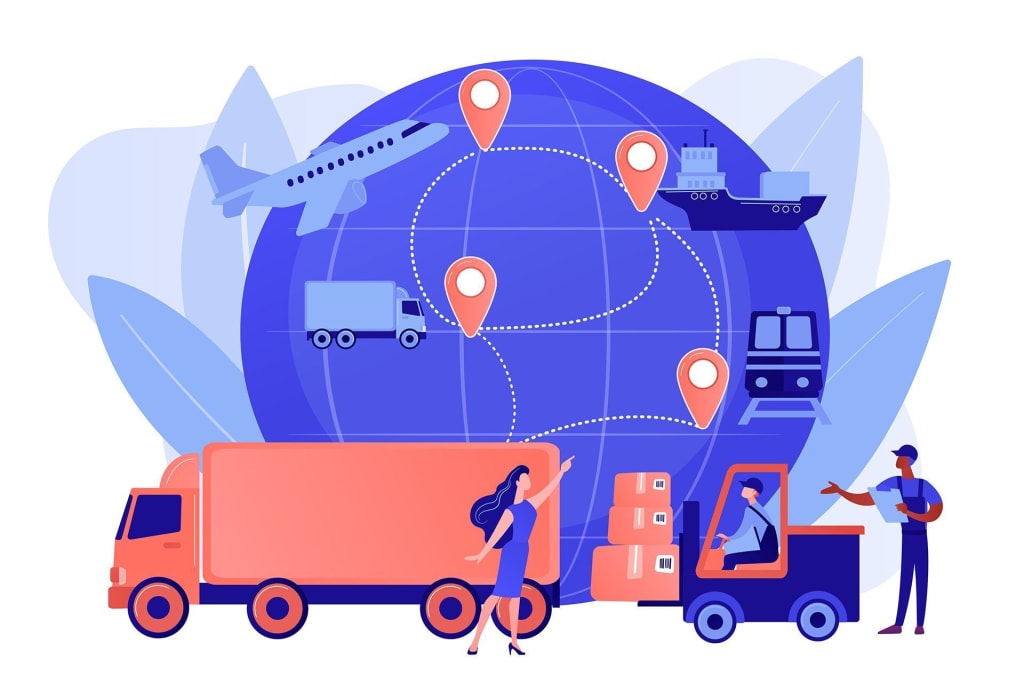
A Brief Overview of Reverse Logistics
Within supply chain management, the phrase reverse logistics is becoming more and more significant. Reverse logistics handles the opposite flow—moving items from the consumer back to the origin—while forward logistics concentrates on the path of products from manufacturers to customers. Reverse logistics is an essential operation that adds value, improves customer happiness, and supports sustainability initiatives. It can involve processing returns, refurbishing products, recycling materials, or correctly disposing of waste.
What Is the Meaning of Reverse Logistics?
Defining the Reverse Logistics
The management of a product's return from the customer to the manufacturer, retailer, or other relevant entity is known as reverse logistics. It includes all tasks related to recovering wealth or guaranteeing appropriate disposal of products, materials, or equipment. This could include returns due to defects, excess inventory, product recalls, or recycling initiatives.
The Purpose of Reverse Logistics
The primary purpose of reverse logistics is to efficiently manage the reverse flow of goods to maximize value recovery, reduce waste, and ensure customer satisfaction. Unlike traditional logistics, which aims to deliver products to the end customer as efficiently as possible, reverse logistics focuses on handling the after-effects of that process—whether that means dealing with returns, recycling, or reintroducing products into the supply chain.
Components of Reverse Logistics
1. Product Returns and Exchanges
One of the most common aspects of reverse logistics is managing product returns and exchanges. This involves handling goods that customers return due to defects, dissatisfaction, or incorrect orders. Companies must efficiently process these returns to maintain customer trust and minimize costs associated with restocking or disposal.
2. Refurbishing and Remanufacturing
Refurbishing and remanufacturing are processes where returned or used products are restored to a like-new condition. This allows companies to resell these items, thereby recapturing value and reducing waste. For example, electronics companies often refurbish returned gadgets, offering them at a discounted price while maintaining their functionality and extending their lifecycle.
3. Recycling and Waste Management
Recycling is a key aspect of reverse logistics, particularly for products that are no longer functional or marketable. Companies disassemble products to recover valuable materials like metals, plastics, or glass, which can be reused in new manufacturing processes. Proper waste management ensures that any non-recyclable materials are disposed of in an environmentally responsible manner.
4. Disposal and End-of-Life Management
When products cannot be refurbished, remanufactured, or recycled, they must be disposed of appropriately. End-of-life management involves ensuring that these products are dismantled and disposed of in compliance with environmental regulations. This process is crucial for minimizing the environmental impact of discarded products and materials.
The Importance of Reverse Logistics
1. Value Recovery
Reverse logistics allows companies to recover value from returned or discarded products. Whether through refurbishment, recycling, or resale, businesses can minimize losses and even generate additional revenue from products that might otherwise be written off as waste.
2. Enhancing Customer Satisfaction
A well-managed reverse logistics process is vital for maintaining high levels of customer satisfaction. Customers expect a hassle-free return or exchange process, especially in the age of e-commerce. By efficiently handling returns and exchanges, companies can build customer loyalty and encourage repeat business.
3. Environmental Sustainability
Reverse logistics plays a crucial role in supporting environmental sustainability. By recycling materials, reducing waste, and promoting the reuse of products, companies can significantly lower their environmental footprint. This not only helps the environment but also aligns with consumer expectations for eco-friendly business practices.
4. Compliance with Regulations
Many industries are subject to regulations that govern the disposal of hazardous materials or the recycling of certain products. Reverse logistics ensures that companies comply with these regulations, avoiding legal penalties and enhancing their reputation as responsible corporate citizens.
Also Read: https://shopping-feedback.today/serve/innovative-energy-efficient-and-sustainable-practices-in-cold-storage-warehouses%3C/p%3E%3Cstyle data-emotion-css="1e4ilk4-Heading">.css-1e4ilk4-Heading{font-size:1.625rem;margin-top:40px;line-height:1.2;font-weight:bold;}
Challenges in Reverse Logistics
1. Complexity of Processes
Reverse logistics is often more complex than forward logistics due to the need to handle individual returns, inspect products, and determine the appropriate course of action. This complexity can lead to increased operational challenges, requiring specialized systems and processes to manage effectively.
2. Cost Management
The costs associated with reverse logistics can be significant, including transportation, storage, and processing of returned goods. Companies must find ways to minimize these costs while ensuring that returns are handled efficiently and in a manner that maximizes value recovery.
3. Inventory Management
Managing inventory in reverse logistics involves balancing returned goods with new stock, ensuring that refurbished or remanufactured products are reintegrated into the supply chain. This requires precise tracking and forecasting to avoid overstocking or shortages.
4. Customer Expectations
In today's competitive market, customers expect seamless returns and exchanges. Failing to meet these expectations can result in lost sales, negative reviews, and damage to the brand’s reputation. Companies must invest in systems and processes that make reverse logistics as smooth and customer-friendly as possible.
Best Practices in Reverse Logistics
1. Implementing Clear Return Policies
Clear and easy-to-understand return policies are essential for effective reverse logistics. Companies should communicate these policies transparently to customers, providing clear instructions on how to return products and what to expect during the process.
2. Leveraging Technology
Technology plays a critical role in optimizing reverse logistics. Advanced software solutions can help track returns, manage inventory, and process refunds efficiently. Automated systems can also reduce errors and improve the speed and accuracy of the reverse logistics process.
3. Partnering with Third-Party Logistics Providers (3PLs)
Many companies choose to partner with third-party logistics providers (3PLs) to handle the complexities of reverse logistics. 3PLs offer specialized expertise and infrastructure, allowing businesses to focus on their core operations while ensuring that reverse logistics are managed effectively and cost-efficiently.
4. Focusing on Sustainability
Sustainability should be a key consideration in reverse logistics. Companies can prioritize recycling, reduce waste, and adopt practices that minimize their environmental impact. This not only benefits the environment but also resonates with consumers who value eco-friendly practices.
The Future of Reverse Logistics
1. Growth of E-Commerce
As e-commerce continues to grow, the volume of product returns is expected to increase, making reverse logistics more important than ever. Companies will need to develop more efficient systems to handle these returns and minimize the associated costs.
2. Circular Economy Integration
The concept of the circular economy, which focuses on keeping products and materials in use for as long as possible, is closely linked to reverse logistics. As more companies adopt circular economy principles, reverse logistics will become an even more integral part of their business strategies.
3. Advancements in Technology
Technological advancements such as artificial intelligence (AI), blockchain, and the Internet of Things (IoT) are poised to revolutionize reverse logistics. These technologies can provide greater visibility into the supply chain, improve tracking and tracing of returned products, and optimize decision-making processes.
Conclusion
Defining Reverse logistics is an essential component of modern supply chain management, offering significant benefits in terms of value recovery, customer satisfaction, and environmental sustainability. As businesses continue to evolve in response to changing market conditions and consumer expectations, the importance of reverse logistics will only grow. By understanding and implementing effective reverse logistics strategies, companies can turn this complex process into a key driver of success in an increasingly competitive and environmentally conscious market.
About the Creator
A Failed Artist, A Disillusioned Poet, An Underpaid Game Show Host
I took my son and niece to Gori, a small town in Georgia where Joseph Stalin was born. They talked me into visiting the Stalin's Museum, the largest in the post-Soviet space. I had resisted going there because I just can't stand the monster and know enough about him, or so I thought.
By Lana V Lynx29 days ago in FYI


Comments (1)
I really love your content and how it's crafted , I love it and happily subscribed , you can check out my content and subscribe to me also , thanks for this beautiful one