
Knowing Rice Huller Rubber Rolls: An Essential Part of Effective Rice Milling
Maximizing Efficiency and Grain Quality in Rice Milling with Advanced Rubber Rolls
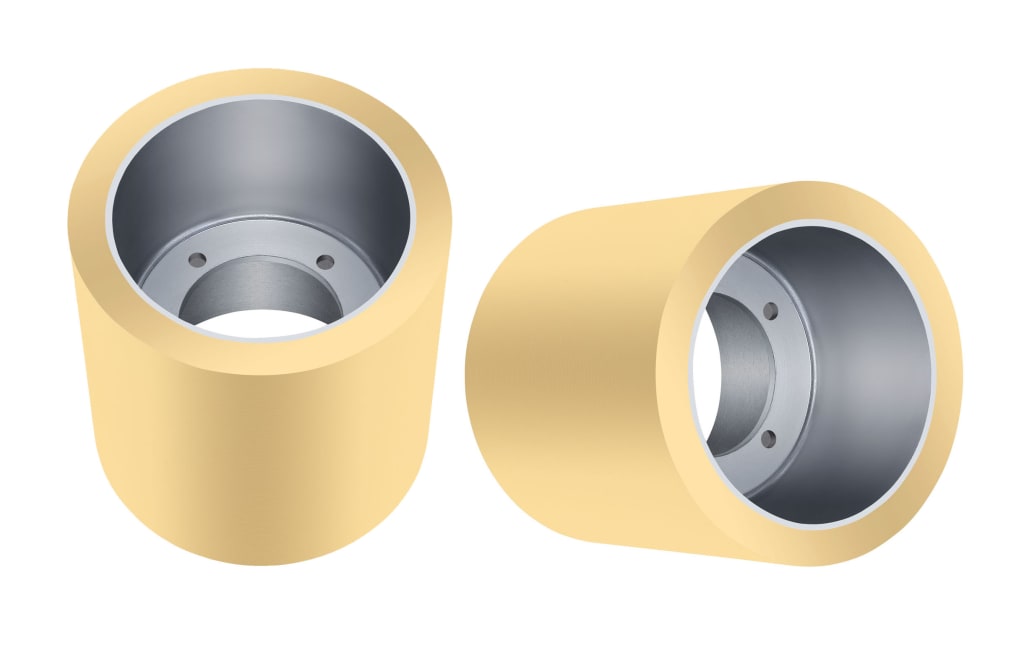
Overview of Rubber Rolls for Rice Hullers
For the rice milling industry to produce rice of a high calibre, accuracy and productivity are essential. The Rice Huller Rubber Roll is one important instrument that makes a big difference in this procedure. These rolls are an essential component of the rice-producing process since they are specifically made to remove the husk from paddy rice. This post will discuss the significance of Rice Huller Rubber Rolls, as well as their uses, advantages, and things to think about when choosing the best rolls for your milling operations.
Rice Huller Rubber Rolls: What Are They?
Meaning and Purpose
Rice Huller Rubber Rolls are cylinders that are used in rice milling machines to dehusk rice. They are constructed of premium rubber. rice grains. The primary function of these rolls is to efficiently remove the outer husk layer from the paddy without damaging the inner grain. The rolls work in pairs, rotating in opposite directions to create the necessary friction and pressure that effectively dehusks the rice.
Key Components of Rice Huller Rubber Rolls
1. Rubber Material: The quality of the rubber used is critical for the performance of the rolls. The rubber must be durable, flexible, and resistant to wear and tear, as it needs to withstand the high pressure and friction involved in the dehusking process.
2. Core Structure: The core of the rubber roll is typically made from robust materials like steel or aluminum. This provides the necessary strength and stability to support the rubber during the dehusking process.
3. Surface Texture: The surface of the rubber roll is designed with a specific texture to grip the rice husk effectively, ensuring efficient removal without damaging the grain.
The Role of Rice Huller Rubber Rolls in Rice Milling
Enhancing Milling Efficiency
The efficiency of the rice milling process is heavily dependent on the performance of the Rice Huller Rubber Rolls. High-quality rubber rolls ensure that the husk is removed cleanly and consistently, reducing the need for reprocessing and minimizing grain breakage. This not only speeds up the milling process but also increases overall productivity.
Preserving Grain Quality
One of the key challenges in rice milling is to remove the husk without damaging the grain. Rice Huller Rubber Rolls are designed to handle this delicate task with precision. By applying the right amount of pressure and friction, these rolls ensure that the husk is removed without cracking or breaking the rice kernel, thereby preserving the quality of the rice.
Reducing Operational Costs
Investing in high-quality Rice Huller Rubber Rolls can lead to significant cost savings over time. Efficient dehusking reduces the amount of broken rice, which increases the yield of whole grains. Additionally, durable rubber rolls have a longer lifespan, meaning less frequent replacements and lower maintenance costs.
How Rice Huller Rubber Rolls Work
The Hulling Process
The hulling process involves passing the paddy rice through a pair of rubber rolls that rotate in opposite directions. As the rice passes through the narrow gap between the rolls, the friction and pressure created by the rotating rolls cause the husk to separate from the grain. The dehusked rice then moves on to the next stage of milling, while the husk is removed from the processing line.
Factors Influencing Hulling Efficiency
Several factors can influence the efficiency of the hulling process, including:
1. Roll Speed: The speed at which the rubber rolls rotate can affect the quality of hulling. Faster speeds may increase throughput but could also lead to higher grain breakage. Adjusting the speed to the optimal level is crucial for balancing efficiency and grain quality.
2. Roll Pressure: The pressure applied by the rubber rolls on the rice grains is another critical factor. Excessive pressure can damage the grain, while insufficient pressure may not effectively remove the husk. Careful calibration of the pressure is essential for achieving the best results.
3. Roll Alignment: Proper alignment of the rubber rolls is essential for uniform hulling. Misaligned rolls can lead to uneven pressure, resulting in inconsistent hulling and higher rates of broken grains.
Advantages of Using High-Quality Rice Huller Rubber Rolls
Improved Grain Yield
High-quality Rice Huller Rubber Rolls are designed to minimize grain breakage, directly contributing to a higher yield of whole grains. This is particularly important for rice producers who aim to maximize both the quantity and quality of their final product.
Extended Roll Life
Durable rubber rolls made from premium materials tend to have a longer lifespan, reducing the frequency of replacements. This not only lowers operational costs but also minimizes downtime, ensuring a more continuous and efficient milling process.
Consistent Performance
Consistency is key in rice milling, and high-quality rubber rolls deliver reliable performance over time. They maintain their effectiveness even after extended use, providing consistent hulling results and reducing the need for frequent adjustments.
Enhanced Productivity
With efficient hulling, the overall productivity of the rice mill is enhanced. Faster processing times and reduced need for reprocessing mean that more rice can be milled in a shorter period, increasing the mill's capacity and output.
Choosing the Right Rice Huller Rubber Rolls
Assessing Rubber Quality
The quality of the rubber used in the rolls is one of the most important factors to consider. Look for rolls made from durable, high-quality rubber compounds that can withstand the rigors of the milling process. The rubber should also be resistant to wear and tear, ensuring a longer lifespan.
Compatibility with Milling Equipment
Not all rubber rolls are compatible with every milling machine. It’s essential to choose rolls that are specifically designed for your equipment to ensure optimal performance. Check the specifications of your milling machine and select rolls that match those requirements.
Read more: https://shopping-feedback.today/lifehack/choosing-the-right-rice-rubber-roll-manufacturers-for-optimal-milling-efficiency%3C/p%3E%3Cstyle data-emotion-css="14azzlx-P">.css-14azzlx-P{font-family:Droid Serif,Georgia,Times New Roman,Times,serif;font-size:1.1875rem;-webkit-letter-spacing:0.01em;-moz-letter-spacing:0.01em;-ms-letter-spacing:0.01em;letter-spacing:0.01em;line-height:1.6;color:#1A1A1A;margin-top:32px;}
Manufacturer Reputation
The reputation of the manufacturer is another critical factor to consider. Established manufacturers with a history of producing high-quality rubber rolls are more likely to provide reliable and durable products. Look for reviews and testimonials from other rice millers to gauge the performance of the rolls.
Cost-Effectiveness
While it might be tempting to choose the cheapest option, it’s important to consider the long-term cost-effectiveness of the rubber rolls. High-quality rolls may have a higher upfront cost but will offer better performance and durability, leading to savings over time.
The Evolution of Rice Huller Rubber Rolls
Traditional vs. Modern Rolls
Rice milling has evolved significantly over the years, with improvements in technology and materials. Traditional hulling methods often involved hard materials like stone or steel, which could cause significant grain breakage. The introduction of rubber rolls revolutionized the industry, offering a gentler yet effective way to remove husks while preserving grain quality.
Advancements in Rubber Technology
Modern advancements in rubber technology have led to the development of even more durable and efficient huller rolls. Innovations in rubber compounds and manufacturing processes have resulted in rolls that offer superior performance, longer life, and better resistance to wear and tear.
Conclusion
Rice Huller Rubber Rolls are an indispensable component in the rice milling process, playing a crucial role in determining the efficiency, quality, and cost-effectiveness of rice production. By investing in high-quality rubber rolls, rice millers can ensure smoother operations, better grain yield, and reduced operational costs. As the backbone of the hulling process, these rubber rolls are vital for producing high-quality, market-ready rice. Whether you are upgrading your current milling operations or setting up a new facility, choosing the right Rice Huller Rubber Rolls is a decision that will significantly impact the success of your milling process.
About the Creator
Timeless Resilience: The Renaissance of the Russian Watch Industry in 2026
Horology in Russia has always been more than just a matter of keeping time; it is a storied tradition that spans from the space-faring "Sturmanskie" to the deep-sea "Amphibia." However, as we move through 2026, the Russian watch market has entered a transformative era. What was once a landscape dominated by Swiss luxury giants and Japanese quartz mass-market brands has been radically reshaped by geopolitical shifts and a powerful resurgence of national pride. Driven by a "Mechanical Renaissance" and the rise of local independent watchmakers, the Russia watch market is currently valued at approximately $1.12 Billion in 2026. This is a market where the "Tick-Tock" of history meets the cutting edge of modern design, creating a unique ecosystem that is both fiercely domestic and surprisingly innovative.
By Neeraj kumar2 days ago in Education
The Devil's Triangle
The sails ruffled in the breeze as we cruised along. The Sea Breeze was a mid-size catamaran that sailed out of Royal Naval Dockyard in Bermuda. We had booked this trip weeks in advance and were now looking at our Captain, Spike and two boat hands. Paddy and Wilson seemed like nice guys, joking around with the passengers and telling us some stories about Bermuda that only locals would know. Their island accents sounded almost British but they were pleasant to listen to.
By Barbara Gode Wilesabout 20 hours ago in Fiction




Comments
There are no comments for this story
Be the first to respond and start the conversation.