
Epicurean exploration
Renaissance of plant based cuisine
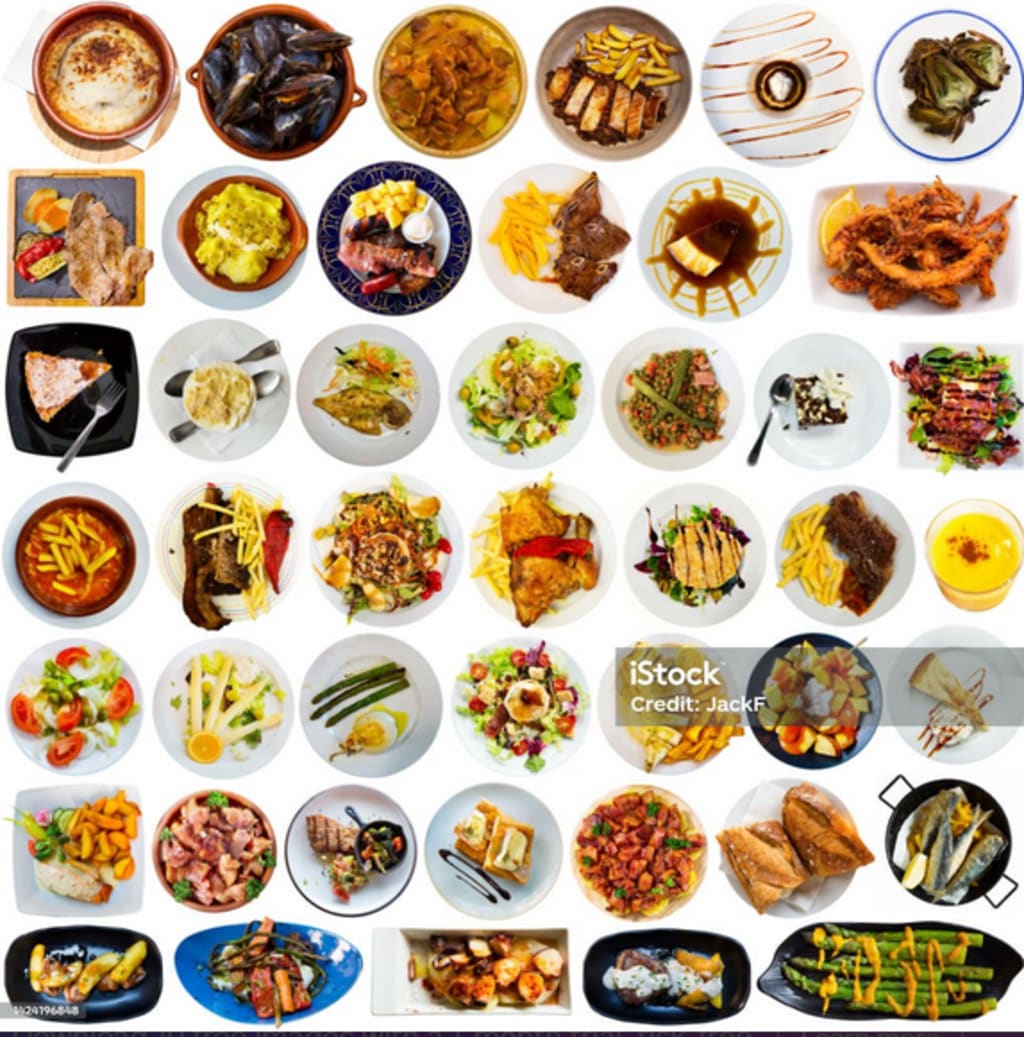
This culinary phenomenon goes beyond dietary choices; it is a celebration of the rich tapestry of flavors, textures, and nutritional abundance that plant-based ingredients offer. Join me on a fascinating journey into the heart of this gastronomic renaissance, where chefs are redefining the culinary landscape with innovative and delectable plant-based creations.
The Renaissance of Plant-Based Cuisine represents a departure from the traditional perception of vegetarian and vegan dishes as mere alternatives. Instead, it is an embrace of the diverse and vibrant world of plant-based ingredients, showcasing their versatility, nutritional value, and the extraordinary culinary potential they bring to the table. From the creative minds of chefs to the discerning palates of diners, this movement is transforming the way we think about and experience plant-based gastronomy.
One of the cornerstones of this culinary renaissance is the celebration of vegetables as the main event rather than a side dish. Chefs are elevating humble vegetables to the status of culinary stars, crafting dishes where carrots, beets, and cauliflower take center stage. The artful preparation and presentation of these plant-based creations challenge preconceived notions, inviting diners to revel in the complex and nuanced flavors that vegetables can offer.
In the realm of plant-based proteins, there is a burgeoning array of innovative substitutes that mimic the taste and texture of animal products. From tempeh and tofu to seitan and jackfruit, chefs are skillfully transforming these ingredients into savory masterpieces that defy expectations. The result is a culinary experience that not only satisfies the palate but also broadens the definition of plant-based dining, making it a compelling choice for both vegetarians and omnivores alike.
The Renaissance of Plant-Based Cuisine extends beyond the confines of traditional dining establishments; it has permeated diverse culinary landscapes, from food trucks to fine dining establishments. The democratization of plant-based dining ensures that individuals from various culinary preferences and lifestyles can partake in the exploration of this rich and diverse culinary realm. Whether it's a gourmet plant-based burger at a trendy food truck or an intricately crafted vegetable-forward tasting menu at a Michelin-starred restaurant, plant-based cuisine is making its mark on the global culinary stage.
One of the driving forces behind the renaissance of plant-based cuisine is the increasing awareness of the environmental and ethical implications of food choices. Chefs and diners alike are recognizing the role of plant-based eating in promoting sustainability, reducing the carbon footprint, and addressing concerns about animal welfare. This conscientious approach to food aligns with a broader movement toward mindful and sustainable dining practices, making plant-based cuisine a significant player in the culinary landscape of the future.
Innovative cooking techniques have played a pivotal role in the renaissance of plant-based cuisine, allowing chefs to unlock new dimensions of flavor and texture from plant-derived ingredients. Techniques such as sous-vide cooking, fermentation, and molecular gastronomy are being applied to vegetables, grains, and legumes with remarkable results. These techniques not only enhance the culinary experience but also challenge the notion that plant-based dishes are limited in their diversity and complexity.
The evolution of plant-based cuisine is not limited to savory dishes; it extends into the realm of desserts and baked goods. Chefs are creatively incorporating plant-based ingredients into sweet treats, showcasing that indulgence can be both delectable and compassionate. Plant-based desserts, from coconut milk-based ice creams to avocado-infused chocolate mousse, have become popular choices among those seeking both ethical and flavorful alternatives.
The emergence of plant-based culinary influencer and advocates has played a crucial role in popularizing and demystifying plant-based cuisine. From social media platforms to television shows, these influencers are showcasing the artistry and creativity of plant-based cooking, inspiring home cooks and professional chefs alike to explore the vast potential of plant-derived ingredients. This widespread dissemination of plant-based culinary knowledge is contributing to the accessibility and acceptance of plant-based cuisine on a global scale.
In conclusion, the Renaissance of Plant-Based Cuisine is a culinary awakening, a celebration of the extraordinary possibilities that plant-derived ingredients bring to the dining table. It is a movement that transcends dietary choices, inviting us to explore the diverse and delectable world of plant-based gastronomy. From vegetable-forward masterpieces to innovative plant-based proteins, this culinary renaissance is reshaping the way we eat and think about food. So, let's savor the flavors, embrace the creativity, and celebrate the remarkable renaissance of plant-based cuisine—a gastronomic journey that promises abundance, innovation, and a deliciously sustainable future.
About the Creator
Can Your Eyes Actually Change Color? 7 Surprising Factors
Most of us assume that our eye color is a permanent gift from our parents, a genetic "what you see is what you get" situation. But have you ever noticed someone’s eyes looking piercingly bright on a sunny day, or almost turning black when they’re in a fit of rage?
By Areeba Umair6 days ago in FYI


Comments
There are no comments for this story
Be the first to respond and start the conversation.