
Encounters with Nature's Surprising Species
Scary but harmless animals

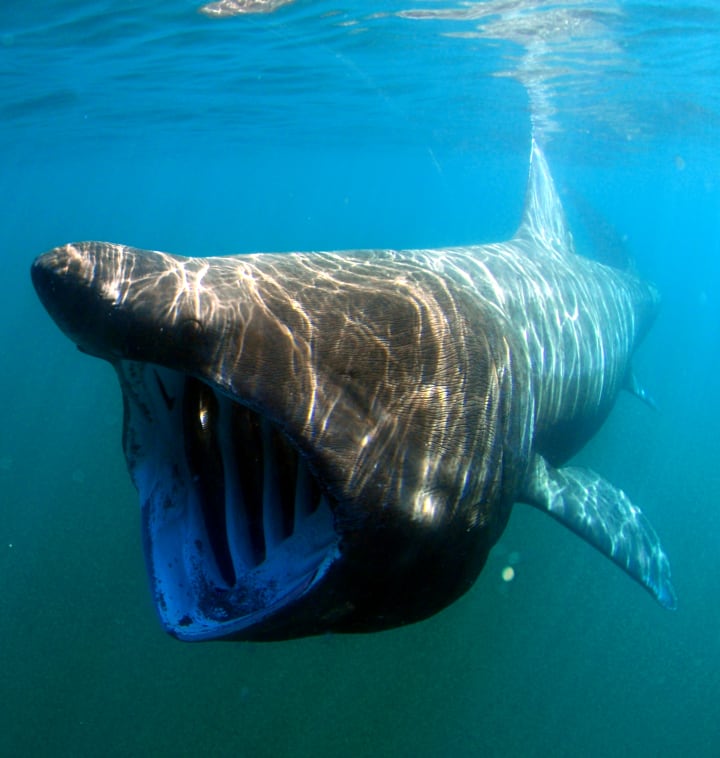
Alright, imagine this: you're scuba diving in the ocean, observing the vibrant corals and colorful fish flitting by. Suddenly, an enormous shadow appears above you. As you look up, a massive creature with a gaping abyss for a mouth is approaching. Relax and stay still - it's not a sea monster, but a Basking Shark, a filter feeder like baleen whales, with no teeth.
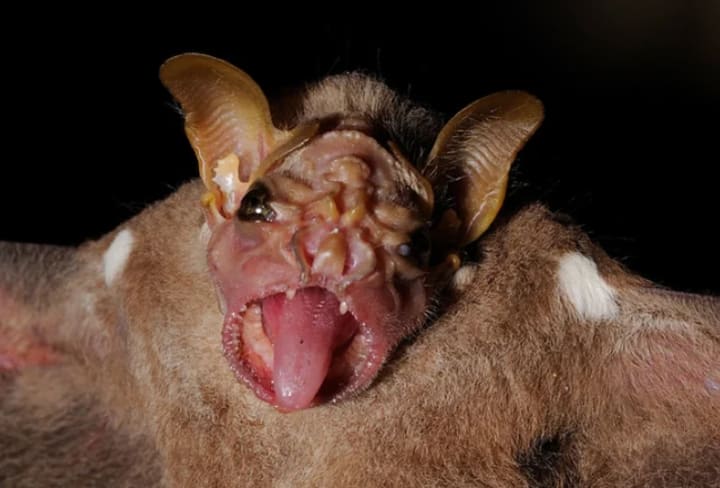
The Basking SharkNow, picture yourself in the late night of the Central American jungle, bird-watching. You hear flapping wings, intensify your gaze through night vision goggles, only to discover a face that seems nightmarish. Don't panic; it's just a harmless Wrinkle-faced Bat, a fruit bat, using its unique facial wrinkles to collect fruit pieces and juice for snacks.
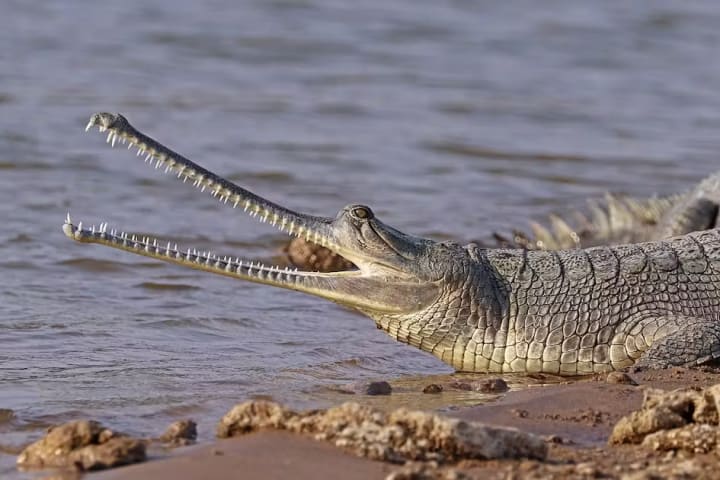
In a Nepali National Park, while washing your face in a river, you freeze in terror as a crocodile stares at you. Exhale in relief, it's a Gharial - a shy crocodilian species with a long and narrow snout specialized for catching fish, not threatening humans.
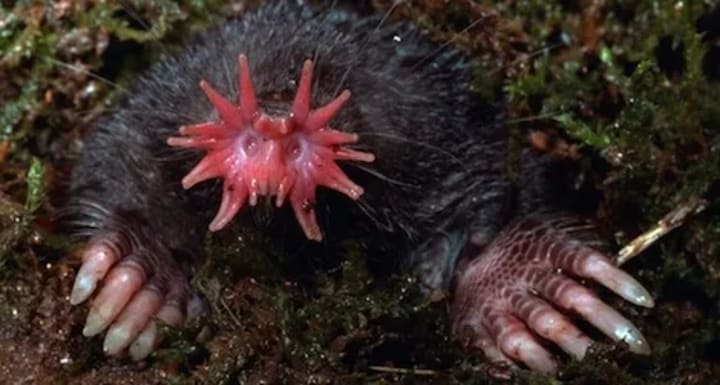
Now, you're gardening in your backyard and notice movement on your shovel. Upon closer inspection, a small creature resembling a hostile alien scurries away. Don't worry; it's just a Star-nosed Mole, equipped with peculiar snouts and tiny, weak eyes, using their star-like appendages to move around and find food.
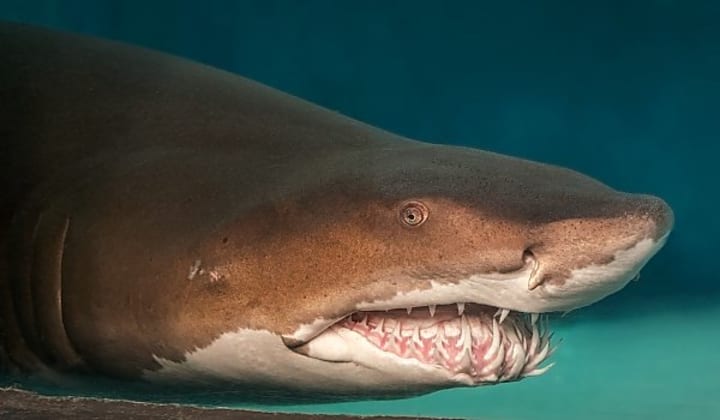
Back in the ocean, you spot a toothy shark approaching. No need to panic; it's just a Sand Tiger Shark, a fish-eating species with a placid demeanor, yet armed with rows of sharp teeth. In the deserts of Australia, while digging for water, you encounter a thorny devil, a harmless lizard adapted for protection with horn-like bumps.
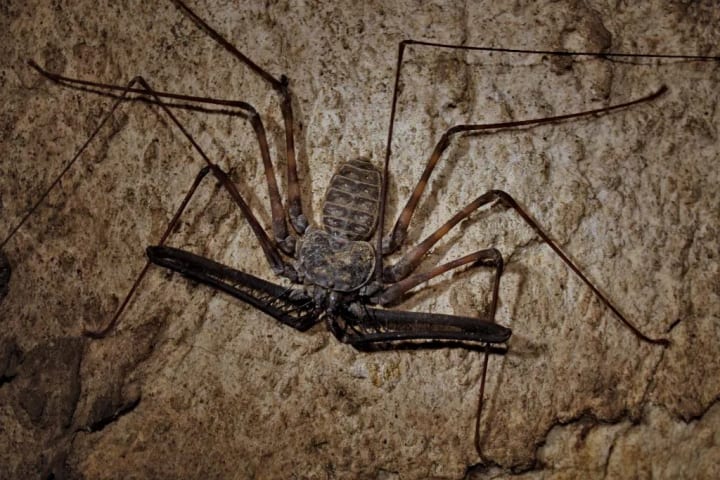
For those with arachnophobia, consider the Tailless Whip Scorpions found in North and South America, Asia, and Africa. Despite their nightmarish appearance, they are more afraid of humans and won't bite unless cornered.
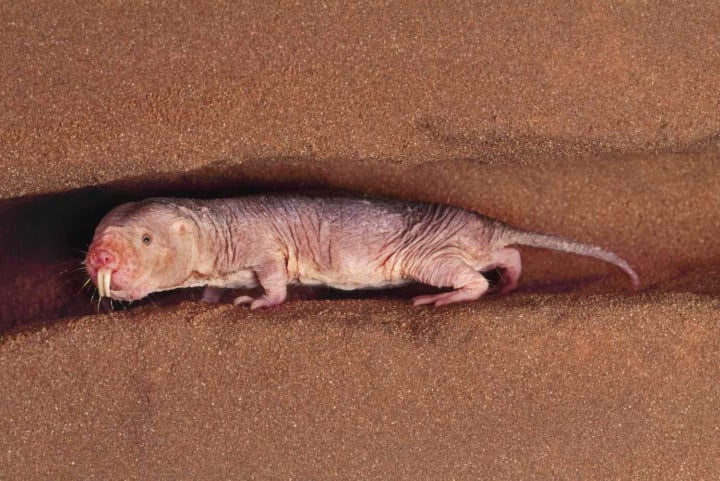
Imagine stumbling upon a burrow where a hairless big-toothed creature is peering at you. Relax; it's just a Naked Mole Rat, adapted to living underground, feeling no pain due to its flappy, wrinkled skin.
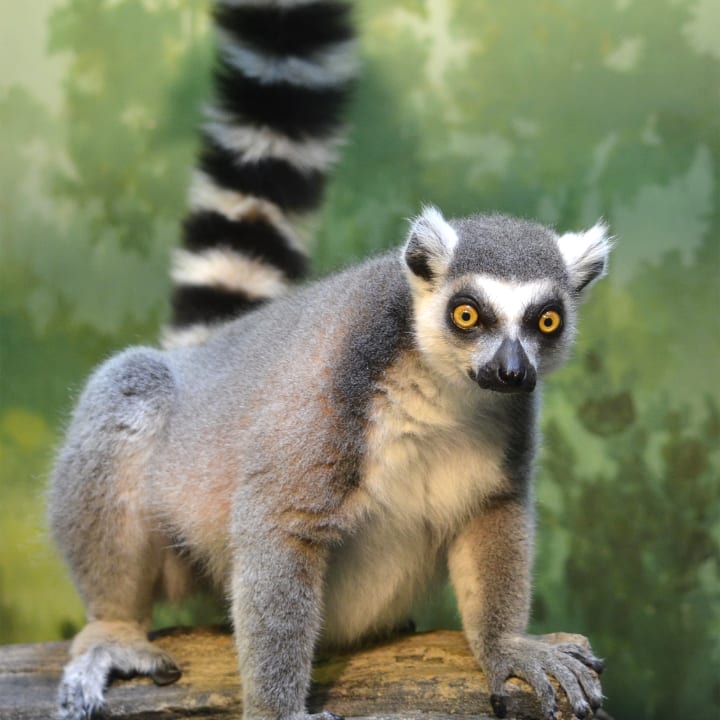
Lost in the jungle of Madagascar, you encounter a creature with a black, long-fingered hand and huge yellow eyes. It turns out to be a Lemur, a nocturnal forest dweller, fulfilling the role of a woodpecker by knocking on tree trunks to find bugs.
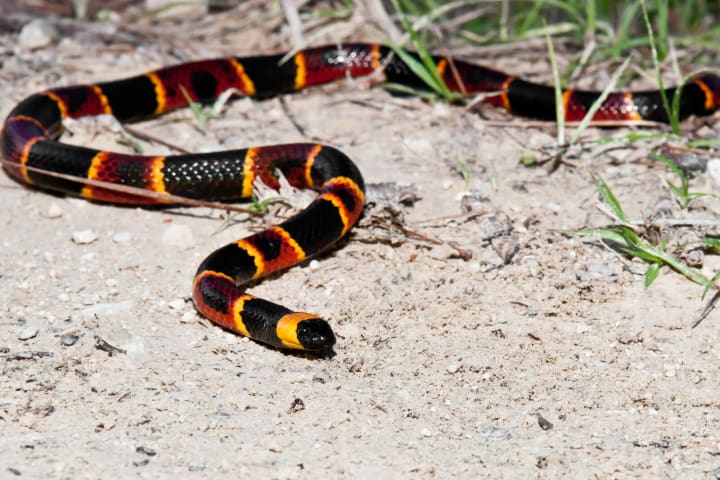
Now, you're facing a red and white snake in your path. Hold on - it's not a Venomous Coral Snake but a harmless milk snake, mimicking dangerous species for protection.
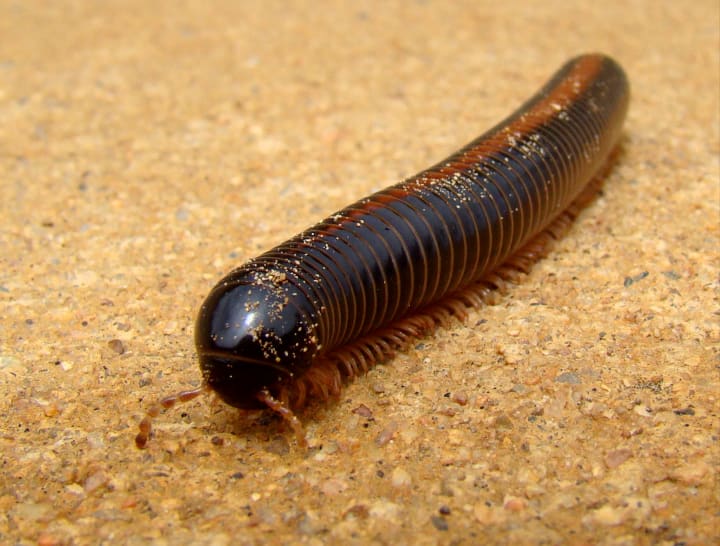
Enter the world of Giant African millipedes, intriguing creatures often kept as pets. Despite their appearance, they can't bite and only defend themselves by curling into a tight ball and secreting irritating liquid.
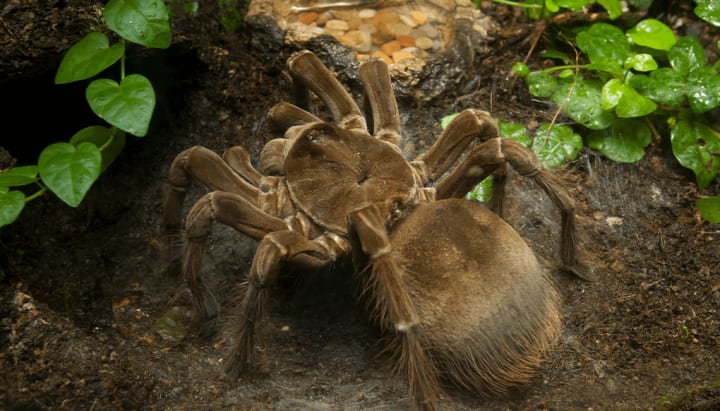
Consider the Goliath bird eater, one of the largest spiders globally, but not dangerous to humans. While it may look terrifying, it's mostly shy and will crawl away when faced with human presence.
As you journey through various ecosystems, encountering different creatures, remember to appreciate their unique adaptations and not let appearances deceive you. From the depths of the ocean to the heart of the jungle, the natural world is full of wonders, each species playing a vital role in the intricate web of life.
In the vast tapestry of our planet's ecosystems, we've journeyed from the depths of the ocean to the heart of the jungle, encountering a diverse array of creatures with unique adaptations. From the gentle filter-feeding basking shark to the intriguing star-nosed mole and the shy gharial, each species plays a crucial role in maintaining the delicate balance of nature.
As we marvel at the wonders of the natural world, it becomes evident that appearances can often be deceiving. The seemingly nightmarish creatures, like the naked mole rat and the thorny devil, showcase the incredible diversity of life on Earth. Whether it's the graceful lemur fulfilling the role of a woodpecker or the unassuming milk snake mimicking venomous counterparts, these creatures teach us valuable lessons about coexistence and understanding.
In the grand symphony of life, every species, no matter how small or peculiar, contributes to the intricate web that sustains our planet. As we navigate through the complexities of different ecosystems, let us continue to appreciate the beauty, resilience, and importance of each creature, fostering a deeper connection with the natural world and a commitment to its preservation. Through understanding and respect, we can ensure that the wonders of our planet endure for generations to come.
About the Creator
Digi Ben
Welcome to the world of insightful and engaging articles! Whether you're seeking in-depth analyses, practical guides, or entertaining narratives, my articles here are tailored to cater to diverse interests. Stay tuned!
The BAFTA Awards
By now, in a stunning departure from recent years, most of the world is aware of what happened at the BAFTA film awards. Social Media Headlines will tell you the bare bones: that John Davidson, a Tourette's Syndrome advocate, shouted a racial slur at two Actors of Colour, Michael B Jordan and Delroy Lindo.
By Natasja Rose6 days ago in Psyche


Comments
There are no comments for this story
Be the first to respond and start the conversation.