
Edible flowers
Adding beauty and flavors to your dishes
In the world of gastronomy, where aesthetics meet taste, the inclusion of edible flowers has become a delightful trend that elevates dishes from mere sustenance to works of art. Beyond their visual allure, these blossoms bring a spectrum of flavors, textures, and aromas to the table, turning every meal into a sensory experience. Join us on a floral journey as we explore the enchanting world of edible flowers, discovering the secrets to incorporating beauty and flavor into your culinary creations.
Imagine a plate adorned with vibrant pansies, delicate nasturtiums, or the subtle sweetness of violets—the visual impact of edible flowers is nothing short of a botanical masterpiece. Incorporating these blossoms into your dishes is not just a culinary choice; it's an artful statement that adds a touch of elegance and whimsy to your presentation. The plate becomes a canvas, and the petals become your brushstrokes, creating a visual symphony that captivates diners before the first bite.
Edible flowers are not merely a feast for the eyes; they offer a cornucopia of flavors that range from peppery and tangy to sweet and herbal. Nasturtiums, for instance, contribute a peppery note that adds a kick to salads, while lavender imparts a fragrant and floral essence that can elevate desserts and beverages. The flavor palette of edible flowers is diverse, and each blossom is a unique ingredient waiting to be explored.
Beyond their taste, edible flowers contribute a textural dimension to dishes, introducing a delicate crunch or a velvety softness. The petals of roses, for example, offer a subtle crunch, creating an intriguing contrast when sprinkled on salads or desserts. The tender blossoms of squash or zucchini plants provide a soft, succulent texture that pairs well with both sweet and savory dishes. Edible flowers thus become not just a flavor enhancer but a tactile element that enhances the overall dining experience.
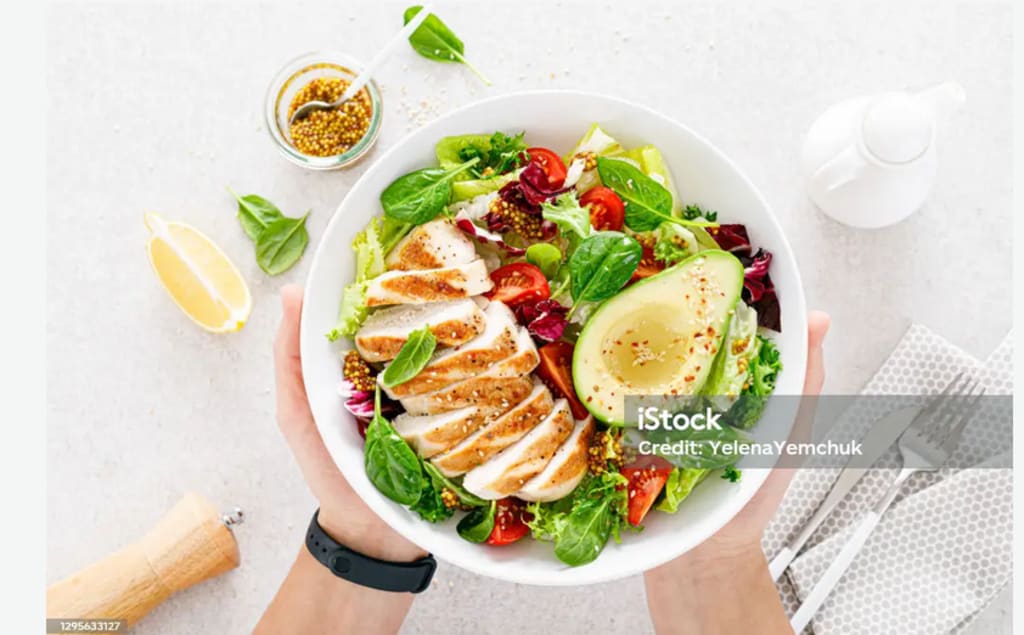
Incorporating edible flowers into your culinary repertoire is not limited to fine dining; it extends to everyday meals, turning simple dishes into culinary adventures. Imagine a bowl of mixed greens adorned with pansies, transforming a basic salad into a visual feast. A humble cupcake becomes a gourmet treat when crowned with crystallized violets, adding both beauty and a hint of floral sweetness. Edible flowers offer a versatile canvas for culinary expression, inviting creativity into your kitchen.
The use of edible flowers in cooking has a rich history that spans cultures and cuisines. In Chinese cuisine, chrysanthemum petals have been used for centuries in teas and soups for their purported health benefits. Middle Eastern cuisines often feature orange blossom water or rose water in desserts, infusing a fragrant floral essence. The Renaissance saw the rise of crystallized flowers as decorative elements on pastries and confections. The tradition of incorporating flowers into culinary practices is a testament to their enduring appeal across time and cultures.
Culinary creativity with edible flowers extends beyond the plate to the glass, as mixologists embrace the trend in crafting visually stunning and flavorful cocktails. Imagine a refreshing summer drink adorned with hibiscus petals or a floral-infused simple syrup enhancing the complexity of a cocktail. Edible flowers bring not only beauty but also a nuanced flavor profile to beverages, making every sip a sensory delight.
Harvesting and using edible flowers responsibly is a crucial aspect of incorporating them into your culinary endeavors. It's essential to source flowers from reputable suppliers, ensuring that they are grown without harmful pesticides or chemicals. Additionally, proper identification of edible varieties is crucial to avoid potential health risks. Taking the time to learn about the growing conditions, flavors, and safety considerations of different flowers allows you to confidently integrate them into your culinary creations.
In conclusion, edible flowers are more than mere embellishments on a plate; they are a celebration of nature's beauty and a gateway to a world of flavors waiting to be explored. The art and flavor of incorporating these blossoms into your dishes transform meals into sensory experiences, where every petal becomes a brushstroke in the culinary masterpiece. So, let your kitchen be a botanical canvas, and each edible flower a palette of possibilities, as you infuse your dishes with the magic and allure of nature's most delectable blooms.
About the Creator
Asia Pacific Prebiotics Market Size and Forecast 2025
Asia Pacific Prebiotics Market: A Region Poised for Gut-Health Revolution The Asia Pacific prebiotics market is entering a transformative decade. With rising health awareness, aging populations, expanding functional food industries, and rapid advancements in biotechnology, prebiotics have become a central ingredient in modern nutrition strategies across the region. According to Renub Research, the Asia Pacific Prebiotics Market is expected to reach US$ 5.83 billion by 2033, growing from US$ 2.14 billion in 2024, at a robust CAGR of 11.77% from 2025 to 2033.
By Aaina Oberoi6 days ago in FYI


Comments
There are no comments for this story
Be the first to respond and start the conversation.