
Class Differences in High-Visibility Workwear
How to Choose the Right EN ISO 20471 Class

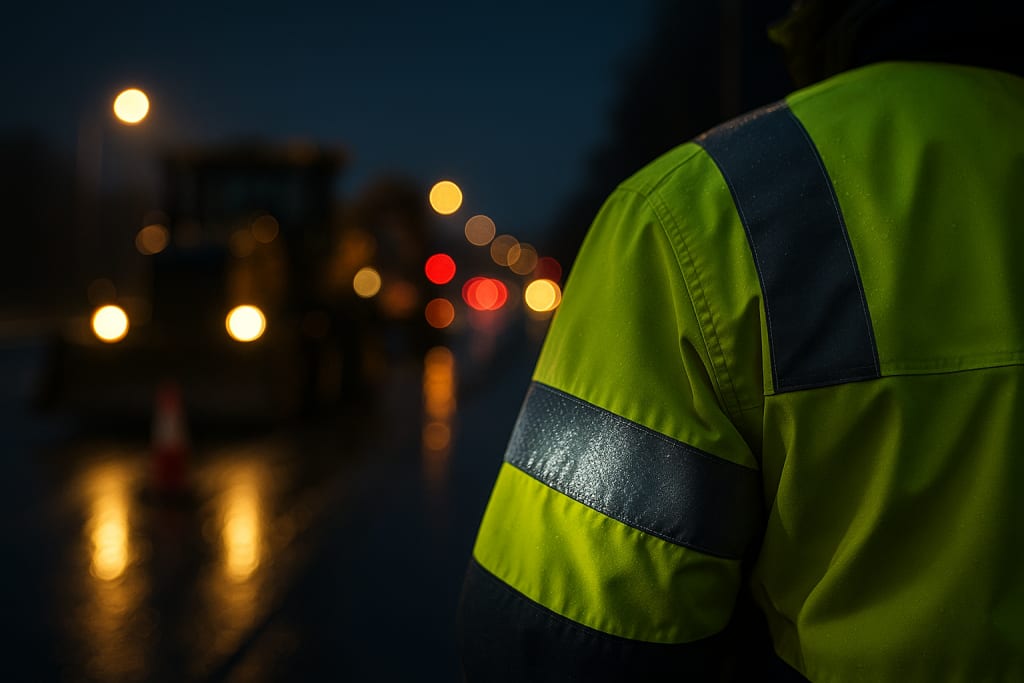
Class Differences in High-Visibility Workwear: How to Choose the Right EN ISO 20471 Class
High-visibility workwear plays a critical role in keeping workers safe, especially in environments where lighting is poor, traffic is heavy, or machinery is constantly in motion. These garments are designed to ensure that a worker can be seen clearly from a distance, even in the most challenging conditions. The EN ISO 20471 standard was created to bring consistency to this safety requirement, classifying garments based on how visible they make the wearer.
Choosing the right class of high-visibility clothing is not always straightforward. Many workplaces believe any fluorescent vest is enough, yet each class serves a different purpose and is designed for specific risk levels. Understanding these differences can dramatically improve workplace safety.
What EN ISO 20471 Classes Really Mean
EN ISO 20471 divides high-visibility garments into three classes, each determined by the amount of fluorescent material and reflective tape included in the design. Class 1 is the lowest level of visibility, often used in controlled indoor areas such as warehouses or low-traffic zones. These garments tend to be lightweight and minimalist, offering just enough visibility for environments where vehicles move slowly and hazards are limited.
Class 2 represents a significant step up and is the most commonly used level in industries like construction, logistics, and roadside operations. These garments provide a greater area of visible material, making workers easier to detect in environments with moderate traffic or mixed lighting conditions. Many teams that operate outdoors during the day rely on Class 2 gear because it combines comfort with strong visibility performance.
Class 3 is the highest level of visibility and is used in high-risk situations such as highway work, night operations, or environments with fast-moving vehicles. These garments typically cover more of the body—torso, arms, and legs—so that movement is more noticeable. Class 3 is the standard for motorway crews, airport apron staff, and night-shift road workers, where long-distance visibility can mean the difference between safety and disaster.
How Environment Shapes the Right Choice
Traffic speed is one of the biggest factors in selecting the correct visibility class. Work performed where vehicles travel under 30 km/h may only require Class 1. However, once speeds rise to 30–60 km/h, Class 2 becomes essential. For environments above 60 km/h or any work done during nighttime, rain, fog, or low-visibility conditions, Class 3 is the only safe choice.
Lighting also plays a major role. Even if a workplace seems safe during the day, changing weather, shaded areas, or early evening hours can make workers harder to see. Many safety managers choose to upgrade one class higher when operations involve unpredictable lighting or heavy machinery.
The nature of the work itself matters as well. Teams working around cranes, loaders, or forklifts need stronger visibility because machines rely heavily on operator perception. Similarly, the longer workers remain outdoors, the higher the need for maximum protection, especially if even a small portion of the shift involves reduced visibility.
Different Industries, Different Needs
Construction sites often rely on Class 2 during daylight, switching to Class 3 once evening falls or when working near fast-moving traffic. Logistics teams may use Class 1 inside warehouses but shift to Class 2 for outdoor loading zones. Road maintenance crews require the highest level almost all the time, especially on highways. Airport apron personnel also operate in environments where visibility is non-negotiable, making Class 3 the industry standard.
Even specialized fields like petrochemicals and refineries must adjust depending on hazard levels. Outdoor operations might manage with Class 2, while high-risk or emergency environments demand Class 3 to ensure workers stand out clearly among machinery, pipes, and complex structures.
Avoiding Common Mistakes
Many safety issues arise not from a lack of high-visibility garments but from using the wrong class. Workers in indoor settings sometimes wear Class 3 unnecessarily, causing overheating and discomfort. On the other hand, many night operations mistakenly rely on Class 2, leaving workers inadequately protected. Another common issue is inconsistent gear across teams, which creates confusion and reduces overall visibility. Proper garment maintenance is also essential since worn-out reflective tape or faded fabric can drastically reduce effectiveness.
Conclusion
High-visibility clothing is more than a uniform requirement—it is a frontline safety tool. Understanding the class differences in EN ISO 20471 garments helps businesses choose the most effective protection for their environment. By selecting the right class based on traffic speed, lighting, machinery, and work conditions, employers can significantly reduce accident risks and ensure every worker is seen clearly, no matter the situation.
About the Creator
What Makes an Electronic Component Suitable for Aerospace Applications
Electronic components play a central role in modern aerospace systems. From flight control computers and radar systems to communication modules and cabin management systems, aircraft depend heavily on reliable electronics. However, not every commercial-grade component is suitable for aerospace applications. The aviation environment presents extreme operational challenges that require specialized design, rigorous testing, and strict regulatory compliance.
By Beckett Dowhan4 days ago in FYI




Comments
There are no comments for this story
Be the first to respond and start the conversation.