
Beginner’s Guide to Psychedelic-Assisted Therapy
Explore the Healing Potential of Psychedelic-Assisted Care


The shift toward holistic approaches in mental health has opened up new conversations about the power of altered states of consciousness in healing. Psychedelic-assisted psychotherapy is becoming a valuable tool in helping individuals process trauma, treat depression, and rediscover emotional clarity.
Whether you're a therapist, a curious mental health professional, or someone seeking answers for personal growth, this guide walks you through the essential insights and benefits of this emerging therapeutic method.
1. What Is Psychedelic-Assisted Psychotherapy?
Psychedelic-assisted psychotherapy is a structured form of therapy where patients are guided through their experience with psychedelics by trained mental health professionals.
The goal isn't just to "trip" but to create a healing environment where deep-seated emotional wounds can surface, be processed, and integrated.
Common psychedelics used in therapy include:
- Psilocybin (found in magic mushrooms)
- MDMA (commonly used for PTSD research)
- Ketamine (often used for depression)
- LSD (less common but still researched)
Each of these substances, when used under clinical supervision, helps alter perception, reduce psychological defenses, and amplify introspective awareness.
2. Why Is Psychedelic-Assisted Psychotherapy Gaining Popularity?
Therapists and clients alike are turning to psychedelic-assisted psychotherapy training due to its profound and fast-acting results. Traditional therapy models often require months or years before significant breakthroughs happen.
With psychedelic-assisted sessions, major emotional insights often occur in just a few guided sessions.
Key reasons behind its rise include:
- High success rates in clinical trials (especially for PTSD and depression)
- Reduced need for long-term medications
- Enhanced emotional connection and processing
- Safe usage under professional supervision
3. How Does the Therapy Process Work?
Psychedelic-assisted psychotherapy is never a one-time session. It involves several phases to ensure safety, integration, and effective healing.
Phases include:
- Assessment & Preparation: A detailed psychological evaluation and discussions about the client’s goals.
- Dosing Session: The psychedelic session conducted with therapists present.
- Integration Therapy: Post-session meetings to help the client make sense of their experience and apply it to real life
The controlled setting, dosage, and therapeutic framework are essential parts of the process and distinguish this therapy from recreational psychedelic use.
4. Who Can Benefit from Psychedelic-Assisted Psychotherapy?
Although not suitable for everyone, many people have found profound benefits in psychedelic-assisted psychotherapy, particularly those with treatment-resistant mental health issues.
Some conditions that respond well include:
- Post-Traumatic Stress Disorder (PTSD)
- Major Depressive Disorder (MDD)
- Anxiety (especially end-of-life or existential)
- Addictions and compulsive behaviors
- Chronic stress and emotional trauma
However, individuals with a history of psychosis or certain heart conditions are typically not recommended for this therapy.
5. What Are the Core Benefits of Psychedelic-Assisted Psychotherapy?
When administered responsibly, the benefits of psychedelic-assisted psychotherapy are often life-changing.
Some of the top benefits include:
- Rapid emotional breakthroughs
- Long-lasting mental clarity
- Reduced depressive symptoms
- Increased self-compassion
- Improved interpersonal relationships
The therapy is designed to create a safe space for emotional vulnerability, often leading to deeper self-awareness and acceptance.
6. How to Choose the Right Therapist or Program
Not every mental health professional is equipped to offer this form of therapy. Choosing someone with specific training and experience in psychedelic-assisted psychotherapy is critical.
Look for:
- Certification in psychedelic psychotherapy training
- Experience in trauma-informed care
- Positive testimonials and transparency in process
- Integration-focused approaches
You may also consider attending informational webinars or consultations to assess their comfort with your specific needs.
7. What Training Do Therapists Need?
Therapists seeking to offer psychedelic-assisted psychotherapy need formal training that goes beyond general therapy credentials. These programs include theoretical knowledge, experiential learning, and ethical considerations.
Typical curriculum components:
- History and science of psychedelics
- Legal and medical protocols
- Trauma-sensitive techniques
- Integration-focused methods
The training ensures therapists can handle altered mental states, provide proper support, and manage difficult emotional reactions with care.
8. My Personal Perspective on Its Impact
As someone who has closely followed the evolution of psychedelic-assisted psychotherapy, I can genuinely say the transformation I’ve witnessed in clients is nothing short of remarkable. People walk in burdened with lifelong emotional pain and, through just a few well-structured sessions, begin to reclaim their joy, purpose, and peace.
What makes this method stand out is its holistic nature combining science, spirituality, and human connection. If you’re seeking real breakthroughs, this therapy may offer the depth you've been missing.
9. Common Misconceptions About This Therapy
Despite its growing acceptance, psychedelic-assisted psychotherapy is still misunderstood by many.
Common myths include:
- "It’s just about getting high."
- "It’s illegal everywhere."
- "It’s not scientifically supported."
- "It’s only for hippies."
In truth, it’s conducted in clinical environments, backed by credible research, and is becoming a respected option in mainstream psychiatry.
Key Takeaways
Exploring therapy is a deeply personal journey. Psychedelic-assisted psychotherapy isn’t a magic fix, but it is a powerful tool when paired with the right therapist, clear intentions, and follow-up support. If you're struggling to make progress with conventional therapy, this could be the catalyst for deeper healing.
If you're curious or considering this therapy for yourself or your practice, look into psychedelic psychotherapy training programs and consult reputable clinics. Many certified professionals now offer discovery calls or online resources to help you get started.
Note: This post is for educational purposes only. Please consult a licensed mental health professional before making any treatment decisions.
For a deeper understanding of how ketamine works in therapeutic settings, check out our detailed guide Ketamine Psychotherapy Explained: Benefits and Insights.
About the Creator
Adrienne D. Mullins
Driven by a deep passion for health and wellness, I specialize in holistic therapies that nurture both the mind and body. My mission is to guide individuals toward balance, healing, and sustainable well-being.
Keep reading
More stories from Adrienne D. Mullins and writers in FYI and other communities.
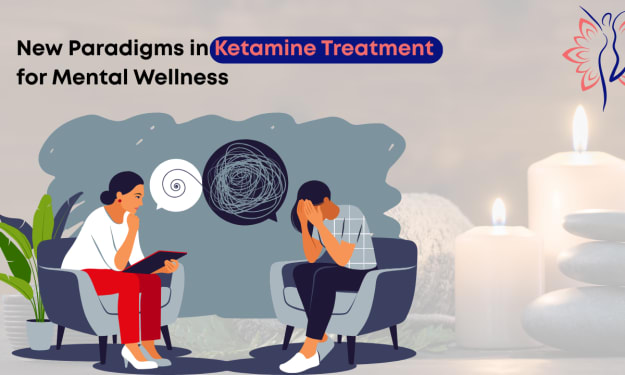
New Paradigms in Ketamine Treatment for Mental Wellness
I still remember the day I sat across from a friend of mine, let’s call her Megan, as she quietly admitted something most people don’t dare to say out loud: “I don’t feel like I exist in my own life anymore.”
By Adrienne D. Mullins6 months ago in FYI
The algorithm behind Instagram reels is explained in detail, along with how to make it work for you.
The algorithm behind Instagram reels is explained in detail, along with how to make it work for you. Instagram Reels did not suddenly become popular. The Instagram Reels algorithm is the driving force behind every viral Reel, every sudden increase in views, and every creator who blew up overnight.
By Farida Kabirabout 14 hours ago in FYI


Comments
There are no comments for this story
Be the first to respond and start the conversation.