
Antibacterial Polyester Yarn: Revolutionizing Textile Innovation for a Healthier Future
Antibacterial polyester yarn is a revolutionary fabric innovation designed to combat bacteria and odors.

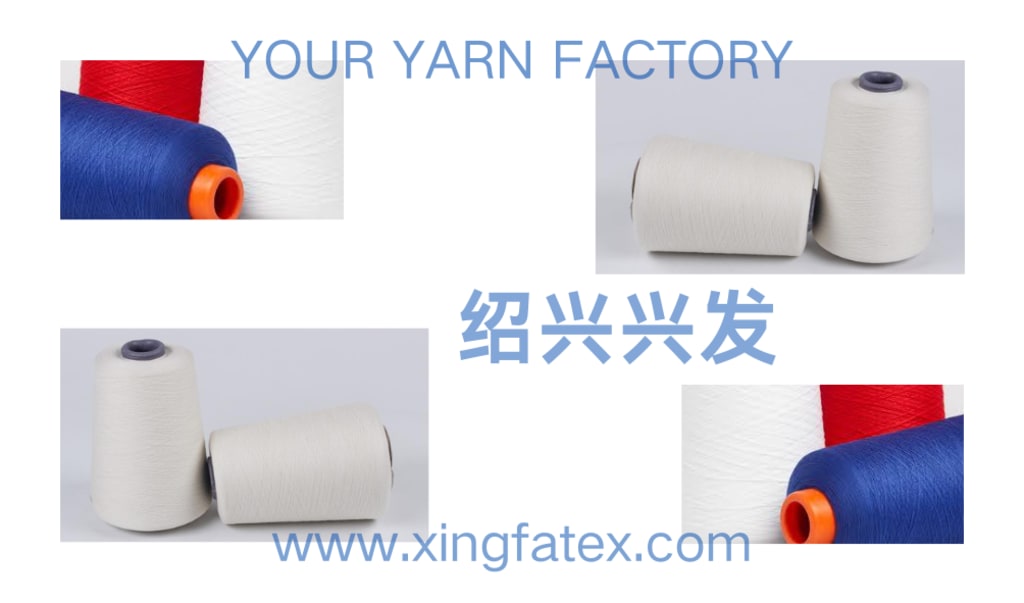
In an era where hygiene, sustainability, and functional performance dominate consumer preferences, antibacterial polyester yarn has emerged as a game-changer in the textile industry. This advanced material combines the strength and versatility of traditional polyester with cutting-edge antimicrobial properties, offering solutions to challenges ranging from odor control in sportswear to infection prevention in healthcare settings. Below, we delve deeper into the science, applications, and transformative potential of this innovative fiber, while exploring its growing impact across global markets.
The Science Behind Antibacterial Polyester Yarn
Antibacterial polyester yarn is engineered to actively combat the growth of bacteria, fungi, and other pathogens. Unlike conventional polyester, which can trap moisture and create an environment conducive to microbial proliferation, this modified fiber integrates antimicrobial agents that disrupt microorganisms at the cellular level. These agents work through mechanisms such as:
Cell Wall Destruction: Silver ions or zinc oxide nanoparticles penetrate bacterial cell membranes, causing leakage and death.
Enzyme Inhibition: Compounds like triclosan block enzymes critical for microbial metabolism.
Electrostatic Repulsion: Positively charged chitosan (derived from shellfish) binds to negatively charged bacterial surfaces, suffocating them.
The antimicrobial additives are either embedded into the polyester polymer during production or applied as coatings. Innovations in nanotechnology have enabled the creation of fibers with nano-sized silver or copper particles, which maximize surface area contact with microbes while remaining durable through repeated washes.
Manufacturing: Precision Meets Innovation
The production of antibacterial polyester yarn involves a meticulous process to ensure efficacy and longevity:
Polymer Synthesis: Antimicrobial agents are blended with purified terephthalic acid (PTA) and ethylene glycol (EG) during polymerization. This ensures homogeneous distribution within the polyester matrix.
Melt Spinning: The polymer is melted and extruded through spinnerets to form filaments. High-temperature extrusion does not degrade most antimicrobial agents, preserving their functionality.
Post-Treatment: Some manufacturers apply additional finishes, such as plasma treatments or antimicrobial sprays, to boost performance. For instance, plasma technology etches microscopic grooves into fibers, enhancing the adhesion of antibacterial coatings.
A key advancement is the use of recycled polyester (rPET) as a base material. Brands are now producing antibacterial yarn from post-consumer plastic waste, aligning with circular economy goals without compromising antimicrobial efficacy.
Applications: From Hospitals to High Fashion
The versatility of antibacterial polyester yarn has led to its adoption across diverse sectors:
Healthcare:
Medical Textiles: Hospital curtains, bedsheets, and staff uniforms made from antibacterial polyester reduce the spread of MRSA and other drug-resistant pathogens. Studies show such fabrics can lower hospital-acquired infections by up to 30%.
Wound Care: Antimicrobial dressings made from polyester fibers promote faster healing by preventing bacterial colonization.
Sportswear and Outdoor Gear:
Brands like Patagonia and Lululemon integrate antibacterial yarn into base layers and socks to neutralize sweat-induced odors. The moisture-wicking properties of polyester further enhance comfort during high-intensity activities.
Camping gear, such as antimicrobial tents, resists mold growth in humid environments.
Home and Hospitality:
Antibacterial bedding and towels are increasingly popular in hotels and homes, particularly post-pandemic. These textiles remain fresher between washes, reducing water and energy consumption.
Upholstery fabrics in public spaces (e.g., airports, theaters) benefit from reduced microbial buildup, enhancing cleanliness.
Industrial Use:
Protective workwear for food processing plants and laboratories minimizes cross-contamination risks.
Fashion:
Designers are experimenting with antibacterial fabrics for everyday wear, catering to health-conscious consumers. For example, antibacterial polyester blends are used in socks, underwear, and even face masks.
Advantages Over Traditional Materials
Antibacterial polyester yarn outperforms natural and synthetic alternatives in several ways:
Durability: Retains antimicrobial properties for over 50 washes, unlike cotton, which loses efficacy after repeated laundering.
Cost-Efficiency: More affordable than specialty fibers like bamboo charcoal or copper-infused fabrics.
Eco-Friendly Options: Recycled polyester variants reduce reliance on virgin plastics, while plant-based antimicrobials (e.g., neem extract) appeal to eco-conscious buyers.
Customizability: Additive concentrations can be adjusted for specific applications, such as higher antimicrobial loads for hospital textiles.
Challenges and Ethical Considerations
Despite its benefits, the industry faces hurdles:
Environmental Impact: Some antimicrobial agents, like triclosan, have raised concerns about aquatic toxicity. Manufacturers are pivoting to biodegradable alternatives, such as citric acid derivatives.
Antimicrobial Resistance: Prolonged use of low-dose antimicrobials in textiles could theoretically contribute to resistant microbes. Research is ongoing to balance efficacy with responsible usage.
Consumer Education: Misconceptions about “self-cleaning” fabrics require clear communication to avoid overestimation of protection.
The Future: Smart Textiles and Beyond
The next generation of antibacterial polyester yarn will integrate smart technologies:
pH-Responsive Fabrics: Release antimicrobial agents only when detecting sweat or elevated skin pH.
Self-Healing Coatings: Repair minor fiber damage to maintain antimicrobial barriers.
Biodegradable Solutions: Innovations in polylactic acid (PLA)-polyester hybrids aim to create compostable antimicrobial textiles.
Market analysts predict the global antibacterial textiles sector will exceed $15 billion by 2030, with polyester yarn driving much of this growth. As sustainability regulations tighten and consumer demand for functional fabrics rises, antibacterial polyester is poised to redefine hygiene standards across industries.
Conclusion
Antibacterial polyester yarn represents a convergence of material science, sustainability, and practical innovation. Its ability to enhance hygiene without sacrificing performance or affordability makes it indispensable in our post-pandemic world. From saving lives in hospitals to redefining everyday comfort, this remarkable fiber is weaving a cleaner, safer future—one thread at a time. As technology evolves, its applications will only expand, solidifying its role as a cornerstone of modern textile engineering.
About the Creator
melody hua max
I am proud member of Xingfa Group, a light textile raw materials industry. With nearly 30 years of steady growth, Xingfa is committed to sustainability, high-quality products, and exceptional service.Welcome to https://www.xingfatex.com/ .
Keep reading
More stories from melody hua max and writers in FYI and other communities.
The Impact of Recycled DTY on Fashion and Textiles
The demand for sustainability in the textile industry has led to significant advancements in production technologies. recycled dty manufacturers have become key players in this shift, providing eco-friendly alternatives to traditional yarns. These manufacturers take used plastic bottles, fabrics, and other polyester-based materials and convert them into high-quality yarns, which are then used to create fabrics for various applications, from clothing to home textiles.
By melody hua max9 months ago in Lifehack
Can Your Eyes Actually Change Color? 7 Surprising Factors
Most of us assume that our eye color is a permanent gift from our parents, a genetic "what you see is what you get" situation. But have you ever noticed someone’s eyes looking piercingly bright on a sunny day, or almost turning black when they’re in a fit of rage?
By Areeba Umair6 days ago in FYI


Comments
There are no comments for this story
Be the first to respond and start the conversation.