
Angle Iron Metal - Uses, and Benefits
Strong L-shaped metal used in building frames

Angle iron metal is a strong and helpful material that looks like the letter “L.” It is made from steel or other metals and is used in buildings, shelves, and many everyday things. Its shape makes it perfect for holding heavy weight and giving support. People use angle iron because it lasts a long time and doesn’t break easily. Whether you see it in a big bridge or under your study table, angle iron plays an important role in keeping things safe and strong.
What is Angle Iron Metal?
Angle iron metal is a strong piece of metal that is shaped like the letter “L.” It has two flat sides that meet at a right angle (90 degrees). These sides are called “legs.” This special shape helps the metal stay strong even when it carries heavy things. Angle iron is usually made from steel, which is a very hard and durable metal. People use angle iron to build shelves, frames, tables, fences, and even big buildings. It gives strong support and keeps things from bending or breaking. Because of its strength and shape, angle iron is one of the most trusted materials in construction and home projects.
🧱 The Shape and Design of Angle Iron
Angle iron has a smart “L” shape that makes it strong and useful for many building needs. Here are some shape and design of angle iron include:-
- Angle iron has a shape that looks like the English letter “L.”
- It is made with two flat sides that meet at a 90-degree angle.
- These two sides are called “legs” of the angle iron.
- The legs can be the same length (equal angle) or different lengths (unequal angle).
- The 90-degree corner makes it strong and perfect for holding things up.
- This shape helps spread weight evenly, so it doesn’t bend or break easily.
- Because of this design, it’s often used in building frames and furniture.
- The simple L-shape makes it easy to cut, connect, and work with.
🔩 Materials Used to Make Angle Iron
Angle iron is mostly made from strong metals like steel, aluminum, and iron to make sure it lasts long and stays tough. Here are some materials uses to make angle iron include:-
- Carbon Steel: This is the most common material used. It is strong, heavy, and lasts a long time.
- Galvanized Steel: This type of steel has a special coating (zinc) that helps stop rust. It is good for outdoor use.
- Aluminum: This is lighter than steel and doesn’t rust easily. It’s used when less weight is needed.
- Stainless Steel: This metal doesn’t rust and looks shiny. It’s great for places where both strength and clean look are important.
- Brass or Copper (rarely): These are not common but sometimes used for special decorative or low-load projects.
🔧 How Angle Iron Is Made
Angle iron is made by heating metal and shaping it into a strong L-form using big factory machines. Here are some angle iron is made include:-
- First, the metal (like steel) is heated until it becomes soft and easy to shape.
- This hot metal is passed through big rollers in a factory.
- The rollers press and shape the metal into a long strip.
- Then, another set of machines bend that strip into an “L” shape.
- After shaping, the angle iron is cooled down so it becomes strong and hard again.
- Some angle irons are also coated with zinc to stop them from rusting.
- Finally, they are cut into different lengths and packed for use in construction and other projects.
🧩 Types of Angle Iron
There are different types of angle iron, and each one is made to fit different kinds of jobs and needs. Here are some types of angle iron include:-
- Equal Angle Iron:
- Unequal Angle Iron:
- Slotted Angle Iron:
- Galvanized Angle Iron:
Equal Angle Iron:
- This type has both legs of the “L” shape the same length. It looks balanced and is used when support is needed on both sides equally.
Unequal Angle Iron:
- In this type, one leg is longer than the other. It is used when more support is needed on one side. It gives strength in one direction.
Slotted Angle Iron:
- This angle iron has holes already made in it. These holes make it easy to screw or bolt pieces together. It’s great for making shelves, racks, or storage units.
Galvanized Angle Iron:
- This one is covered with a layer of zinc. It helps stop rust and makes the metal last longer, especially when used outside.
📏 Common Sizes and Measurements
Angle iron comes in different sizes to fit small, medium, and big building needs. Here are some common sizes and measurements include:-
- Angle iron comes in many different sizes to fit different jobs.
- A common size is 2 inches by 2 inches, which means both legs are 2 inches long.
- Another size could be 3 inches by 2 inches, where one leg is longer than the other.
- The thickness of the metal also changes — some are thin and light, others are thick and heavy.
- You can find angle irons that are 1/8 inch thick to even 1/2 inch thick.
- The length of angle iron pieces is usually around 10 to 20 feet, but they can be cut to smaller sizes.
- Choosing the right size depends on what you need it for — heavy jobs need thicker and longer angle irons.
💪 Strengths and Benefits of Using Angle Iron
Angle iron is strong, easy to use, and perfect for building things that need solid support. Here are some strengths and benefits of using angle iron include:-
- Strong and Durable: Angle iron is tough and can support heavy loads without bending or breaking.
- Versatile: It can be used in many different ways, from construction to furniture, making it a very useful material.
- Lightweight: Even though it’s strong, angle iron is light enough to handle and work with easily.
- Resistant to Damage: It can resist rust, especially when coated with zinc, which helps it last for a long time.
- Easy to Work With: Its shape makes it easy to cut, weld, and connect to other materials, saving time and effort.
- Cost-Effective: Angle iron is an affordable material, making it a great option for both big and small projects.
- Reliable: Since it’s widely used in important structures like bridges and buildings, you can trust angle iron to do the job right.
⚒️ Common Uses of Angle Iron
Angle iron is used in many everyday things because it is strong, steady, and easy to work with. Here are some common uses of angle iron include:-
- Construction: Angle iron is used to build strong frames for buildings, bridges, and even big machines. It helps keep everything stable and safe.
- Furniture: It’s also used in making furniture, like shelves, tables, and chairs, because it’s strong and looks nice.
- Industrial Equipment: Many factories use angle iron to make the frames for machines and tools. It holds everything together securely.
- DIY Projects: If you like to build things at home, angle iron is great for making custom shelves or outdoor furniture. It’s strong and easy to work with.
- Support Structures: Angle iron is perfect for supporting heavy items like beams and panels, especially in warehouses and factories.
- Automobiles: Some car frames and parts are made using angle iron because it can handle weight without bending.
🛠️ How to Work with Angle Iron
When you work with angle iron, you need the right tools and some safety steps to make sure everything goes smoothly.
Tools Needed:
- You’ll need a hacksaw, metal cutter, or a grinder to cut the angle iron.
- A welding machine is used to join pieces of angle iron together.
- A drill is needed to make holes for screws or bolts.
Safety First:
- Always wear safety goggles to protect your eyes from flying sparks.
- Use gloves to avoid cuts from sharp edges.
- Wear long sleeves and closed shoes to keep your body safe from heat and sparks.
Cutting Angle Iron:
- Measure and mark the length you want to cut.
- Use a saw or grinder to carefully cut along the marked line.
- Make sure to hold the angle iron firmly while cutting.
Joining Angle Iron:
- When joining pieces, make sure the ends are clean and straight.
- You can use welding to connect the pieces, or you can bolt them together if you don’t have a welder.
- Make sure the pieces are lined up properly before welding or screwing them.
Finishing Touches:
- After joining, you can smooth out rough edges using a grinder.
- If you want to protect the angle iron from rust, you can paint it with a rust-resistant paint.
🧰 Caring for and Maintaining Angle Iron
Angle iron is a strong material, but like anything else, it needs care to last a long time. With the right maintenance, angle iron can stay in great condition, even in tough environments.
- Prevent Rust: Angle iron is made from metal, which can rust if it’s exposed to water. To stop rust, you can paint it or coat it with a protective layer like zinc.
- Keep It Clean: Regularly clean the angle iron by wiping it with a dry cloth to remove dust and dirt. This will help keep it looking new.
- Check for Damage: Inspect the angle iron for any cracks, bends, or signs of rust. If you notice any damage, repair or replace it as soon as possible.
- Store Properly: When storing angle iron, keep it in a dry place. Avoid leaving it outside where rain or moisture can cause rust.
- Treat With Care: While handling angle iron, be careful not to drop or bend it. This will help keep it strong for many years.
Conclusion:
Angle iron is a reliable and versatile material used in many areas, from construction to DIY projects. Its L-shape makes it perfect for supporting weight and adding strength to structures. Whether you're building a house, creating furniture, or working on a personal project, angle iron will always provide the support you need. Its durability and ease of use make it one of the best materials for both beginners and professionals. So next time you need something strong and reliable, angle iron might just be the right choice for you
About the Creator
Keep reading
More stories from Muhammad Ijaz and writers in FYI and other communities.
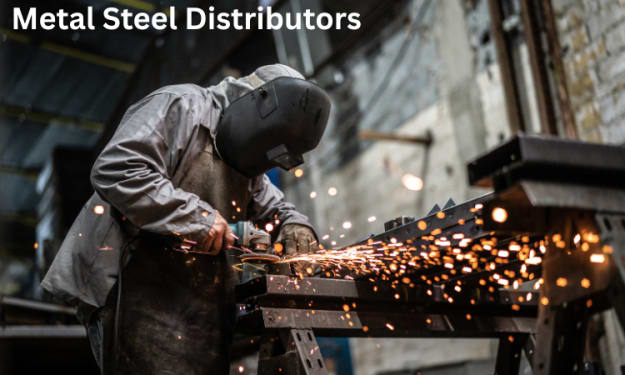
Metal Steel Distributors - Need Metals
Metal steel distributors play a very important role in helping businesses and industries get the steel they need. Steel is a strong material used to make all sorts of things, from buildings to cars to kitchen appliances. But how do businesses get the steel they need for these projects? That's where metal steel distributors come in!
By Muhammad Ijaz10 months ago in History
The algorithm behind Instagram reels is explained in detail, along with how to make it work for you.
The algorithm behind Instagram reels is explained in detail, along with how to make it work for you. Instagram Reels did not suddenly become popular. The Instagram Reels algorithm is the driving force behind every viral Reel, every sudden increase in views, and every creator who blew up overnight.
By Farida Kabirabout 12 hours ago in FYI
So You Decided To Become a Nurse Practitioner:
So you decided to become an "Advanced Practice" nurse. Congratulations!... is what I would say if this was a good idea. Grad school? In this economy? What were you thinking? Likely it was something along the lines of either 1) “I've seen these other chucklefucks do it— Why can't I?” or even 2) “I've got a nice career, I should shake it up. I miss feeling like I have no clue what I'm doing.”
By Sandor Szabo6 days ago in Fiction


Comments
There are no comments for this story
Be the first to respond and start the conversation.