
Albums vs. Singles: What’s the Difference and Why It Matters
Albums vs. Singles

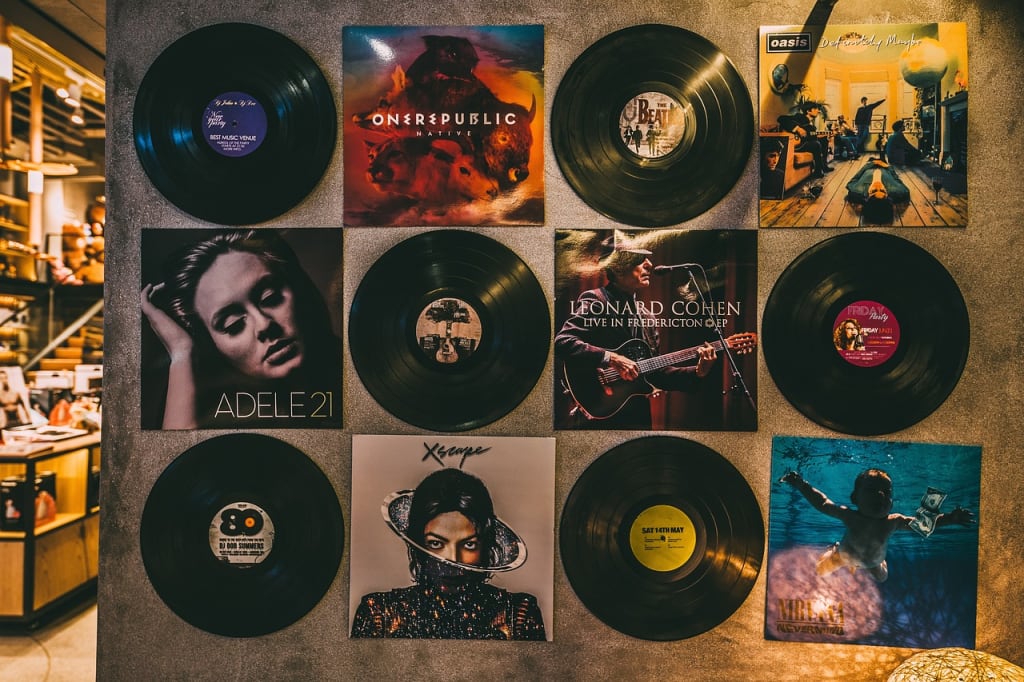
In the age of digital music, the debate between albums and singles is more relevant than ever. While some argue that the rise of streaming services has diminished the importance of albums, others believe that albums still hold significant artistic and cultural value. This article examines the differences between albums and singles, their respective roles in the music industry, and why the choice between them matters for artists and listeners alike.
Definition of Albums and Singles
An album is a collection of audio recordings issued as a single item, typically consisting of multiple tracks. Albums often follow a theme or concept, providing a cohesive listening experience that showcases an artist's range and vision. They usually contain 10 to 15 songs but can vary widely in length and structure.
In contrast, a single is a standalone track or a small collection of tracks, usually released separately from an album. Singles are often used to promote an upcoming album or to test the market with a new sound. They are designed to be immediately impactful and commercially viable, often aiming for radio play and chart success.
Historical Context
Historically, albums and singles have played different roles in the music industry. In the early days of recorded music, singles were the primary format, released on 78 RPM records. With the advent of the LP (long-playing) record in the 1950s, albums became more prominent, allowing artists to present a fuller, more nuanced body of work.
The 1960s and 1970s were the golden age of the album, with iconic records like The Beatles' "Sgt. Pepper's Lonely Hearts Club Band" and Pink Floyd's "The Dark Side of the Moon" demonstrating the artistic potential of the album format. Singles continued to be important, especially for radio play, but albums were seen as the definitive statement of an artist's creativity.
Artist’s Perspective
From an artist's perspective, the choice between releasing an album or a single can depend on various factors, including creative vision, market strategy, and career stage.
Creative Vision: Albums allow artists to explore themes in depth, tell stories, and create a cohesive body of work. This format is ideal for artists who want to showcase their versatility and take listeners on a journey.
Market Strategy: Singles are often used to generate buzz and maintain visibility in a fast-paced industry. They can be released more frequently than albums, keeping the artist relevant and engaged with their audience.
Career Stage: Emerging artists might focus on singles to build a fan base and gain exposure, while established artists might release albums to solidify their legacy and artistic identity.
Consumer Preferences
Consumer preferences also play a crucial role in the album vs. single debate. The rise of digital music and streaming platforms has shifted how people consume music. Playlists and algorithms now dominate listening habits, often favoring singles over albums.
Convenience: Singles are easily accessible and digestible, fitting into busy lifestyles. They allow listeners to quickly engage with new music without committing to a full album.
Discovery: Streaming services use singles to introduce listeners to new artists and tracks, often through curated playlists and recommendations.
Dedicated Listening: Despite the convenience of singles, many music enthusiasts still value the experience of listening to a full album, appreciating the depth and cohesion it offers.
Marketing and Sales
The marketing and sales strategies for albums and singles differ significantly.
Albums: Marketing an album involves creating a comprehensive campaign that includes lead singles, music videos, press releases, interviews, and tours. Albums are often seen as significant events in an artist's career, requiring substantial promotional efforts.
Singles: Singles can be released with less fanfare but are often supported by targeted marketing strategies, such as social media campaigns, influencer partnerships, and playlist placements. They provide quick, impactful promotion, keeping the artist in the public eye between album releases.
Cultural Impact
Albums and singles both have cultural significance, but in different ways.
Albums: Albums often serve as cultural milestones, reflecting and shaping societal trends and movements. They can encapsulate a particular moment in time, offering a snapshot of an artist's creative and emotional state.
Singles: Singles can become cultural touchstones, defining moments in pop culture with their immediate appeal and widespread reach. Hit singles often become anthems for a generation, transcending their initial release to gain lasting popularity.
Pros and Cons
Albums:
Pros: Allow for comprehensive artistic expression, can tell a cohesive story, often viewed as more prestigious.
Cons: Require significant time and resources to produce, can be challenging to market effectively in the streaming era.
Singles:
Pros: Easier and quicker to produce, can keep artists relevant with frequent releases, ideal for testing new sounds or market responses.
Cons: May not fully represent an artist's range, risk being seen as less substantial than albums.
Conclusion
Both albums and singles have their unique roles in the music industry, offering different advantages and challenges for artists and listeners alike. While singles are perfect for quick, impactful releases and maintaining visibility, albums provide a deeper, more immersive experience that showcases an artist's full creative potential. Understanding the differences between these formats helps appreciate their distinct contributions to the music world.
About the Creator
Music Industry Updates
Welcome to Music Industry Updates, your go-to hub for the latest happenings in the music world.
Stay tuned, stay informed, and stay inspired with Music Pulse – where every beat counts.
Keep reading
More stories from Music Industry Updates and writers in FYI and other communities.
Utilizing Social Media for Music Promotion: Strategies That Work
Social media platforms have revolutionized the way musicians promote their work. With billions of users worldwide, these platforms offer unparalleled opportunities to connect with fans, share your music, and build a loyal following. However, effectively utilizing social media for music promotion requires a strategic approach. This article explores various strategies to help you maximize your social media presence and successfully promote your music.
By Music Industry Updatesabout a year ago in FYI
On National Cheese Lover’s Day, Don’t Feel Bleu—Celebrate the Curds That Bind Us
January 20th rolls around every year with a simple but powerful message: don’t feel bleu, throw a feta, and absolutely act capriciously if cheese is involved. National Cheese Lover’s Day is the perfect excuse to lean into one of humanity’s oldest and most beloved foods. Whether you’re reaching for cheddar, asiago, fontina, or something that smells questionable but tastes incredible, this is a gouda day to celebrate it all.
By Lawrence Lease3 days ago in FYI
Affection and Healing for Yourself
During the night of the last quarter moon, I gathered my ritual supplies. I carefully handled the chunk of black tourmaline that would protect me from your overall negative and narcissistic energy. I carefully walked the house with my stick of selenite in hand, asking the universe to cleanse our working space.
By Alisha Wilkins ✒️🦋🖋️3 days ago in Fiction


Comments (1)
Amazing piece