
ACROPORA MILLEPORA CORAL: A KEYSTONE OF MARINE ECOSYSTEMS
Acropora Millepora: The Foundation of Coral Reefs and the Fight for Its Survival
INTRODUCTION:
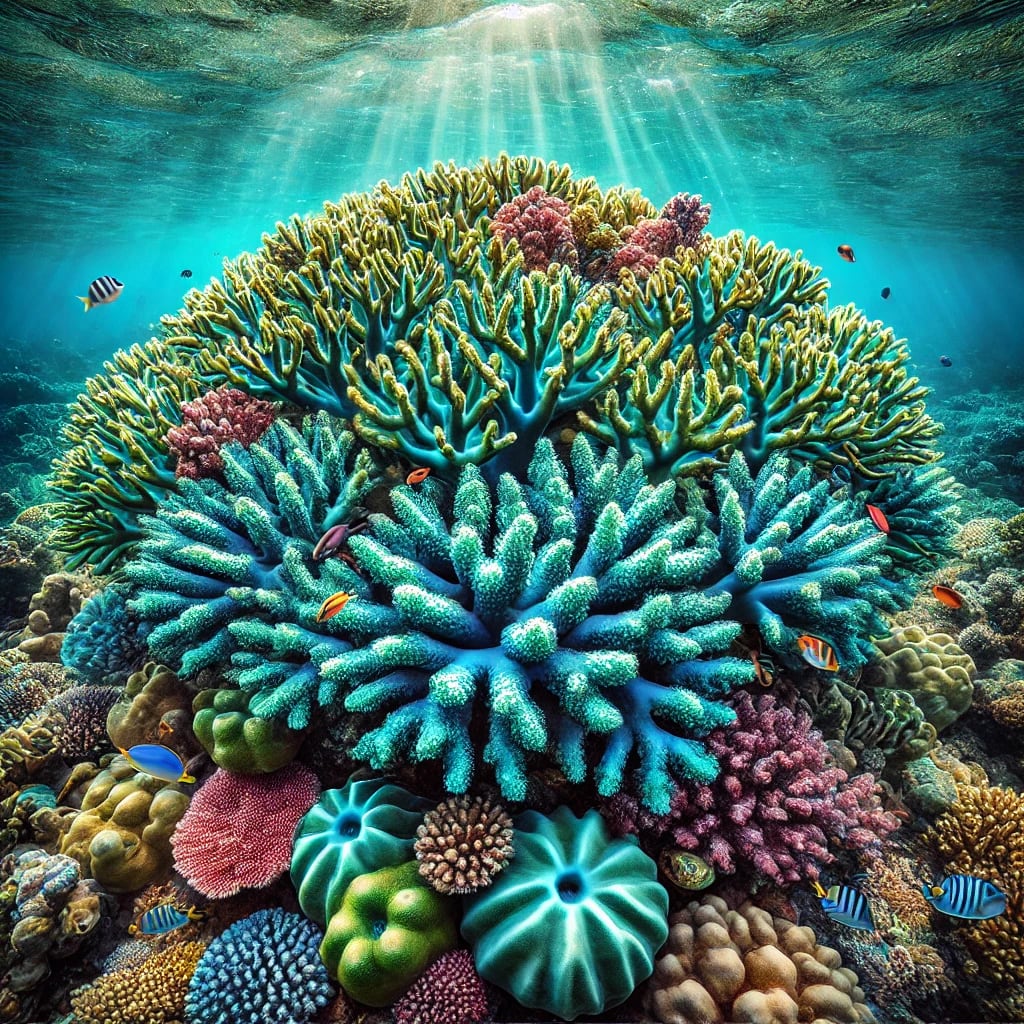
Acropora millepora, commonly referred to as staghorn coral, is one of the most well-known and significant species of coral in the world’s oceans. Belonging to the genus Acropora, this coral plays a crucial role in the structure and function of coral reefs, which are vital marine ecosystems. The survival of these corals is tightly linked to the overall health of the oceans, making their study and conservation critical in the context of climate change and environmental degradation. In this article, we will explore the characteristics, ecological significance, threats, and conservation efforts surrounding Acropora millepora.
________________________________________
1. CHARACTERISTICS OF ACROPORA MILLEPORA:
Acropora millepora is a branching coral, with a structure resembling antlers or tree branches, hence the common name "staghorn coral." These branches can grow rapidly in optimal conditions, making this species one of the fastest-growing corals in the world. The coral colonies can grow in various shades of brown, green, blue, and even pink, depending on environmental factors such as light exposure, water quality, and the presence of symbiotic algae known as zooxanthellae.
The skeleton of Acropora millepora is composed of calcium carbonate, which forms a hard, protective outer layer. This structure provides shelter and habitat for a wide range of marine organisms, from small fish and invertebrates to larger predators. The surface of the coral is covered with tiny polyps, which are individual animals that make up the colony. Each polyp has tentacles that capture food, typically plankton, from the surrounding water.
Like most corals, Acropora millepora has a symbiotic relationship with zooxanthellae, microscopic algae that live within the coral’s tissues. These algae provide the coral with nutrients through photosynthesis, while the coral offers the algae protection and access to sunlight. This relationship is vital for the health of Acropora millepora, as it allows the coral to thrive in nutrient-poor environments like tropical coral reefs.
________________________________________
2. Ecological Importance of Acropora Millepora:
Coral reefs, often referred to as the “rainforests of the sea,” are some of the most biologically diverse ecosystems on the planet, and Acropora millepora plays a central role in maintaining this diversity. The structural complexity of Acropora colonies provides habitat and shelter for countless marine species, including fish, crustaceans, mollusks, and echinoderms.
This coral species is also integral to the physical formation of coral reefs. As Acropora corals grow and their skeletons accumulate over time, they build up the reef structure, creating ridges, crevices, and overhangs that enhance habitat diversity. These complex structures not only provide homes for marine species but also protect coastal areas from erosion by buffering the impact of waves and storms.
Acropora millepora is a foundational species, meaning that its presence helps define and sustain the ecosystem in which it lives. The health of coral reefs is closely tied to the health of Acropora species, as their rapid growth allows reefs to recover more quickly from disturbances, such as storms or bleaching events. When Acropora populations decline, the entire reef ecosystem can suffer, leading to reductions in biodiversity and the collapse of reef-related services like fisheries and tourism.
________________________________________
3. Threats to Acropora Millepora:
Despite their ecological importance, Acropora millepora and other coral species face numerous threats that have led to widespread declines in coral populations worldwide. Some of the most pressing threats include:
- Climate Change and Coral Bleaching: Coral bleaching is one of the most significant threats to Acropora millepora. This phenomenon occurs when corals are stressed by changes in temperature, particularly elevated sea surface temperatures caused by global warming. When the water becomes too warm, the coral expels its symbiotic zooxanthellae, which results in the coral turning white, or “bleached.” Without the algae to provide nutrients, the coral becomes weakened and more susceptible to disease and death. The frequency and intensity of bleaching events have increased in recent years due to rising ocean temperatures.
- Ocean Acidification: As atmospheric carbon dioxide levels increase, more CO2 is absorbed by the oceans, leading to a decrease in the pH of seawater. This process, known as ocean acidification, reduces the availability of carbonate ions, which are essential for coral skeleton formation. As a result, Acropora millepora and other coral species struggle to build and maintain their calcium carbonate structures, making them more fragile and vulnerable to damage.
- Pollution and Water Quality: Nutrient runoff from agricultural activities, industrial pollution, and sewage discharge can have devastating effects on coral reefs. Excessive nutrients in the water promote the growth of algae and other organisms that can smother corals, reducing their access to sunlight and oxygen. Pollution also makes corals more susceptible to diseases, which can spread rapidly in degraded reef environments.
- Overfishing and Destructive Fishing Practices: Overfishing, particularly of herbivorous fish that control algae growth on reefs, can lead to an overabundance of algae that outcompete corals for space and resources. Additionally, destructive fishing practices, such as blast fishing or the use of cyanide, can physically damage coral colonies, including Acropora millepora.
- Coastal Development: Human activities like coastal development and tourism can result in the physical destruction of coral reefs through dredging, land reclamation, and the construction of infrastructure like ports and hotels. Sedimentation from these activities can smother corals, preventing them from receiving the sunlight they need for photosynthesis.
________________________________________
4. Conservation Efforts for Acropora Millepora:
The alarming decline in coral populations has spurred various conservation efforts aimed at protecting the Acropora millepora and other coral species. Some of the most effective strategies include:
- Marine Protected Areas (MPAs): Establishing marine protected areas where fishing, pollution, and other harmful activities are restricted is one of the most successful methods for conserving coral reefs. MPAs provide a haven for coral species like Acropora millepora, allowing them to recover from disturbances and repopulate surrounding areas.
- Coral Restoration Projects: In response to widespread coral loss, scientists and conservationists have developed techniques for coral restoration, including coral gardening and reef rehabilitation. Coral fragments from healthy colonies of Acropora millepora are often grown in nurseries and then transplanted onto damaged reefs. These efforts have shown promise in helping reefs recover and promoting the growth of new coral colonies.
- Reducing Carbon Emissions: Mitigating climate change by reducing greenhouse gas emissions is crucial to the long-term survival of Acropora millepora. International agreements like the Paris Agreement aim to limit global warming, which could help reduce the frequency of coral bleaching events and slow the pace of ocean acidification.
- Public Awareness and Education: Raising awareness about the importance of coral reefs and the threats they face is essential for garnering public support for conservation efforts. Educational campaigns that promote responsible tourism, sustainable fishing practices, and pollution reduction can make a significant difference in protecting coral ecosystems.
________________________________________
Conclusion:
Acropora millepora is a cornerstone of coral reef ecosystems, providing habitat, shelter, and protection for a wide array of marine species. Despite the numerous threats it faces, efforts to conserve and restore this vital coral species are ongoing. By addressing the challenges posed by climate change, pollution, and human activities, we can help ensure that Acropora millepora continues to thrive and support the rich biodiversity of the world’s coral reefs.
About the Creator
PETER J
Driven by a passion to inspire and uplift, Peter. J is a motivational story writer who weaves tales of resilience, personal growth, and triumph over adversity.
What Is MICE Travel? A Complete Guide for Corporate Decision-Makers
Corporate travel has changed. Businesses no longer plan meetings and events as isolated activities. Instead, they rely on structured systems that combine logistics, travel, planning, and execution. This is where MICE travel plays a critical role.
By All 4 Season4 days ago in FYI



Comments
There are no comments for this story
Be the first to respond and start the conversation.