
9 Mind-Blowing Facts You Didn't Know About Ketchup
"9 Mind-Blowing Facts You Didn't Know About Ketchup: Exploring the Fascinating History and Science Behind America's Favourite Condiment."

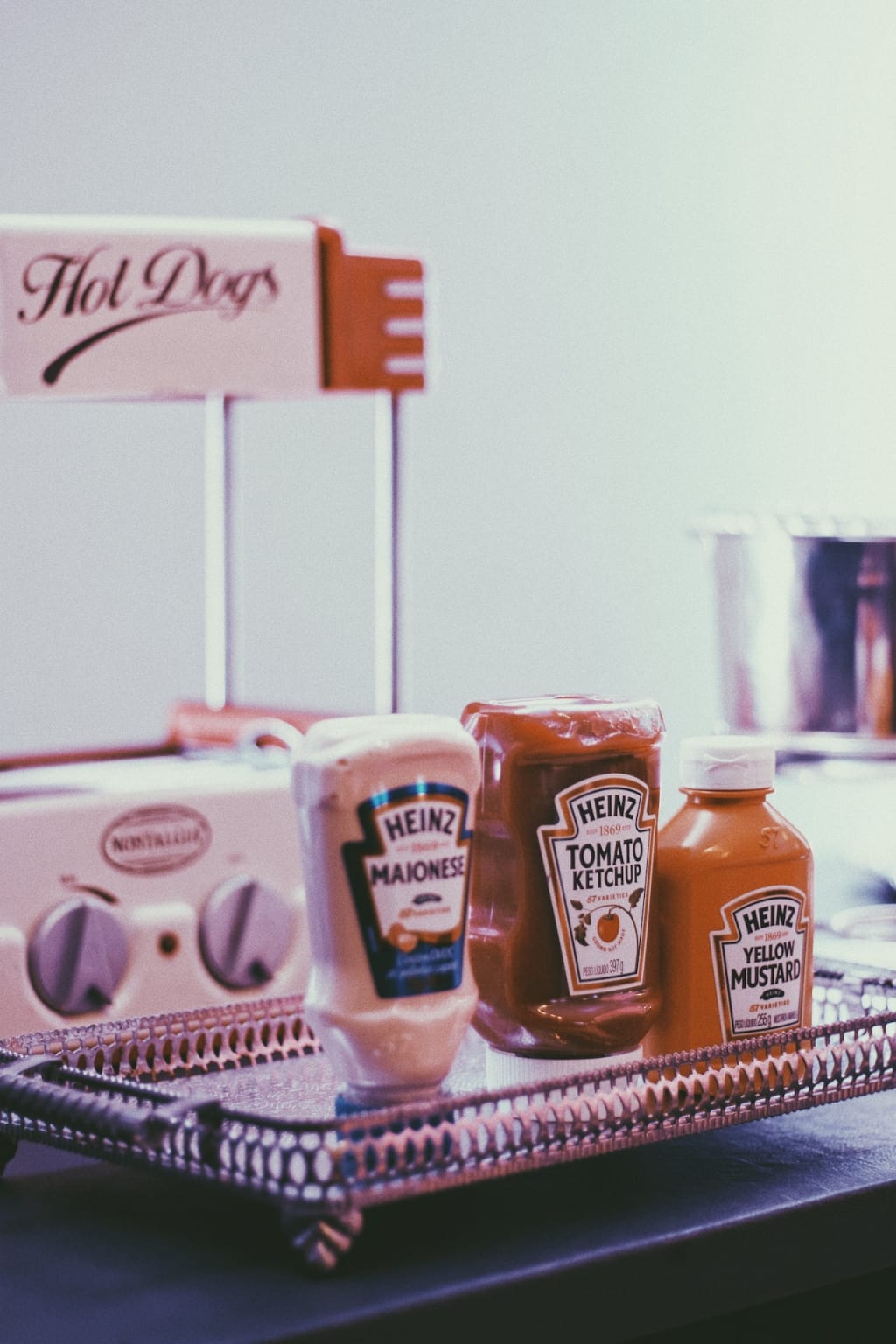
For generations, ketchup has been a favorite sauce to serve alongside food. Ketchup has long been a dependable companion in the world of food, whether you are dipping fries in it, slathering it on a burger, or blending it into your favorite sauce. What if, on the other hand, we informed you that there are nine astounding ketchup-related facts you probably didn't know? As we go deeper into the background of this sour condiment's history and science, get ready to be astounded.
1. Ketchup Was Originally Made from Fish
Yes, fish sauce was used to make the original version of ketchup. In Southeast Asia, it was a well-liked condiment known as "ke-tsiap," which translates to "fish sauce." The dish was ultimately introduced to Europe where it was changed to include things like oysters, walnuts, and mushrooms.
2. The Origin of the Word "Ketchup"
The Hokkien term ke-tsiap, which means "fish sauce," is where the word "ketchup" originates. Later, the tomato-based condiment that we know and love today was described using an adaptation of the name.
3. The First Tomato Ketchup Was Made in 1812
In 1812, James Mease, a chemist from Philadelphia, created the first tomato ketchup. His formula, which was sold as a medicine, contained brandy, spices, and tomato pulp. Tomato ketchup didn't become a common condiment in the US until the middle of the 19th century.
4. The Heinz Company Dominates the Ketchup Market
Heinz is now thought of as ketchup. The business began selling its brand of condiments in 1869 and has since grown to become the biggest manufacturer of ketchup in the world. In reality, Heinz ketchup holds a market share of more than 60% in the United States.
5. How Heinz Ketchup is Made
Ripe, juicy tomatoes are carefully chosen and then mashed into a pulp to create Heinz ketchup. The pulp is next combined with spices, sugar, and vinegar to achieve the ideal harmony of sweet and sour flavors. To make the recognizable Heinz ketchup that is so well-known today, the mixture is cooked and then bottled.
6. Ketchup is a Natural Preservative
Vinegar and salt, two natural preservatives, are found in ketchup and aid to extend its shelf life. In reality, when kept in the refrigerator, ketchup has a shelf life of up to two years.
7. Ketchup is a Good Source of Lycopene
Tomatoes contain significant amounts of lycopene, a potent antioxidant. It might aid in lowering the chance of developing some cancers and enhancing heart health. Because tomatoes are used to make ketchup, it is a good source of lycopene. Lycopene concentration in one tablespoon of ketchup is around 2-3 milligrams.
8. Americans Consume Over 10 Billion Ounces of Ketchup Each Year
Ketchup consumption in the United States is very high. According to estimates, Americans consume enough ketchup annually to fill three Olympic-sized swimming pools or over 10 billion ounces!
9. National Ketchup Day
The fifth of June is designated as National Ketchup Day in the US since ketchup is so well adored there. This day is devoted to commemorating ketchup in general and its significance in American cuisine.
In conclusion, Ketchup is more than just a condiment, to sum up. Its development into the tomato-based form we know and enjoy today is a monument to the inventiveness and flexibility of human culture. It has a fascinating history that spans centuries and continents.
Ketchup has undergone numerous changes throughout the years, from its Southeast Asian roots to its place as a beloved American staple. And yet, despite all of these modifications, it continues to be a common sight at restaurants and on dinner tables all around the world.
The nine astounding facts about ketchup that we've looked at today only scratch the surface of the interesting and intricate past of this condiment. Ketchup is a food that provides much more than just flavour, thanks to its origins in fish and its use as a natural preservative and source of lycopene.
Take a moment to appreciate the route the ketchup took to get to your plate the next time you reach for the ketchup bottle. Who knows, though? You never know; you might come to appreciate ketchup all over again.
About the Creator
Ahamed Thousif
🌟 Welcome to the realm of exploration, where communities come alive through the power of words! 📚✨ Join me as we embark on a journey to discover the vibrant tapestry of stories and Poems.
VISIT - "MY FOOD BLOG"
Reader insights
Nice work
Very well written. Keep up the good work!
Top insights
Easy to read and follow
Well-structured & engaging content
Expert insights and opinions
Arguments were carefully researched and presented
Eye opening
Niche topic & fresh perspectives
Masterful proofreading
Zero grammar & spelling mistakes
On-point and relevant
Writing reflected the title & theme
Keep reading
More stories from Ahamed Thousif and writers in FYI and other communities.
Unraveling the Mysterious Legends of Bioko's Vanished Kingdom
A formidable empire once presided over the verdant island of Bioko. Adaeze, a queen renowned for her knowledge and bravery, ruled it with wisdom and justice. She was well-liked by her subjects and had a council of advisers to assist her in running the kingdom.
By Ahamed Thousif3 years ago in FYI



Comments (1)
Fascinating. Can you do one on mayo? Mayo is more versatile! 😁