
7 Practical Steps to Protect Your Vision from Macular Degeneration
Simple, Effective Ways to Safeguard Your Eye Health

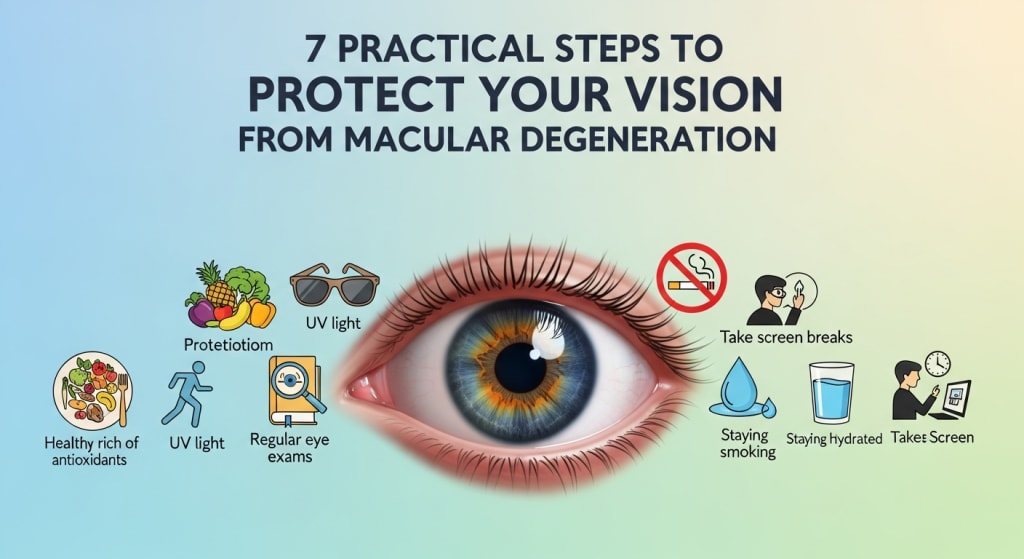
Maintaining healthy vision becomes more important as we age, especially when it comes to conditions that can slowly impact central eyesight. One such concern is macular degeneration, a progressive eye disorder that affects the retina. While you cannot control every risk factor, you can take smart steps to protect your sight. Many people today are also exploring dry macular degeneration treatment, but prevention and early care remain equally essential.
This guide offers seven simple, research-backed steps you can incorporate into your daily routine. These habits are easy, practical, and effective for long-term eye wellness.
Understanding Macular Degeneration
Macular degeneration occurs when the macula — the central part of the retina — begins to deteriorate. This affects fine details, reading vision, and the ability to recognize faces. According to the National Eye Institute, age-related macular degeneration (AMD) is one of the leading causes of vision loss among older adults in the U.S.
Quick Fact: AMD does not cause complete blindness, but it can significantly reduce central vision. Peripheral vision often remains intact.
Why Prevention Matters
Good habits today can reduce your risk of developing AMD later. Prevention is easier than managing progressive eye damage, and many lifestyle habits directly support retinal health.
1. Nourish Your Eyes with the Right Foods
What you eat can influence the health of your retina. A nutrient-rich diet supports eye function and slows age-related changes.
Include Eye-Healthy Foods
- Try adding the following to your meals:
- Leafy greens such as spinach and kale
- Orange vegetables like carrots and sweet potatoes
- Fatty fish rich in omega-3, including salmon or sardines
- Citrus fruits and berries are full of antioxidants
- Nuts and seeds
Table: Nutrients That Support Macular Health
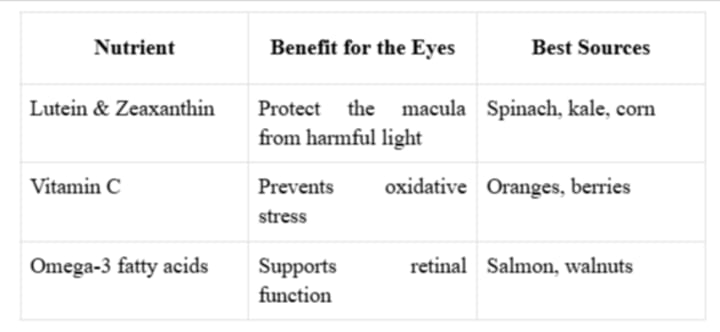
Note: A balanced diet provides the daily nourishment your eyes need to function their best.
2. Maintain a Healthy Lifestyle and Weight
Obesity and cardiovascular issues can influence blood flow to the retina. When circulation slows, the eyes lack nutrients and oxygen.
Simple habits that help
- Choose moderate daily activity, such as walking
- Maintain stable blood pressure
- Reduce saturated fats
- Drink plenty of water
These simple habits explain how to prevent macular degeneration naturally and effectively.
3. Protect Your Eyes from UV Rays
Long-term exposure to sunlight can accelerate retinal damage. Wearing proper eye protection makes a noticeable difference over time.
What you can do
- Use sunglasses that block 100% UVA and UVB rays
- Wear a wide-brimmed hat during peak sunlight hours
- Avoid staring directly at bright reflections or glare
According to the American Academy of Ophthalmology (AAO), UV protection is one of the easiest ways to protect vision from macular degeneration.
4. Quit Smoking — Your Retina Will Thank You
Smoking reduces oxygen levels in the bloodstream, which directly affects the health of the retina. It is one of the strongest preventable risk factors for AMD.
Why quitting matters
- Improves blood flow to the eyes
- Slows age-related degeneration
- Supports overall health
5. Adopt Daily Healthy Screen Habits
Digital devices are a part of everyday life, but long hours of screen exposure can cause eye strain.
Easy ways to reduce strain
- Follow the 20-20-20 rule: every 20 minutes, look 20 feet away for 20 seconds
- Adjust brightness to match room lighting
- Sit at least an arm’s length away from screens
- Blink often to prevent dry eyes
Moderating digital habits helps reduce the risk of macular degeneration, especially when screen use is part of everyday life.
6. Schedule Regular Eye Exams
Routine eye exams are your best defense against early damage. Many people don’t notice changes in the early stages of macular degeneration.
What your exam may include
- Dilated retinal check
- Visual acuity test
- OCT imaging
- Family history review
Early signs could be discovered even before symptoms appear, allowing timely care and lifestyle adjustments.
Pro Tip: Keep a simple eye-health log noting dates of exams, vision changes, or new symptoms. It helps track subtle changes over time.
7. Build Daily Habits That Support Eye Health
Small daily routines can influence long-term macular health. This is especially important if you have a family history of AMD.
Useful habits
- Eat a nutrient-rich diet
- Avoid smoking
- Manage stress
- Get adequate sleep
- Use proper lighting while reading
- Wear UV-protective eyewear outdoors
These practices serve as excellent daily habits to prevent macular degeneration, helping protect your eyes long-term.
Final Words
Protecting your vision from macular degeneration is not complicated. With consistent habits, good nutrition, regular eye exams, and lifestyle awareness, you can support your retinal health for years to come. Prevention is powerful. Start today, and give your eyes the care they deserve.
“The best time to protect your vision is long before you notice any change.”
Key Takeaways
- Nutritious foods like leafy greens and fish help nourish the retina
- UV protection reduces long-term retinal damage
- Smoking significantly increases the risk of AMD
- Screen breaks and good lighting help prevent daily eye strain
- Regular eye exams are essential for early detection
- Small daily habits play a big role in long-term eye health
FAQs
1. Can lifestyle changes really help reduce the risk of macular degeneration?
Yes. Factors such as diet, smoking, and UV exposure strongly influence macular health. Healthy habits can delay or lower your risk of AMD.
2. How often should I get an eye exam if I’m over 50?
Most eye specialists recommend a comprehensive exam every one to two years, or more frequently if you are at higher risk.
3. Is macular degeneration curable?
While AMD cannot be completely cured, early detection and healthy habits help slow its progression and support better long-term vision.
About the Creator
Franklin Norton
Franklin Norton is a dedicated health writer specializing in eye care. With a passion for vision health, he educates readers on eye conditions, treatments, and preventive care for optimal eye wellness.
Keep reading
More stories from Franklin Norton and writers in FYI and other communities.
How Dry Macular Degeneration Treatment is Evolving in 2025
Macular degeneration, particularly dry macular degeneration, is a leading cause of vision loss worldwide. This condition primarily affects older adults, impairing their ability to perform daily tasks such as reading, driving, or recognizing faces. While there is no definitive cure for dry macular degeneration yet, 2025 has brought promising breakthroughs in treatment approaches. Patients now have more hope than ever before.
By Franklin Norton7 months ago in FYI
Smart phones, Humans and Aliens.
WARNING. I will be tapping into one of your favorite creative tensions: The absurdity of humans worshipping their glowing rectangles as if they were tiny oracles. There’s something deliciously poetic about that contradiction, and it lends itself beautifully to an instructive proviso.
By Novel Allen5 days ago in Poets


Comments
There are no comments for this story
Be the first to respond and start the conversation.