
10 Ways to Identify Job Scams for Job Seekers
Stay Informed and Vigilant to Identify Genuine Opportunities and Avoid Fraudulent Offers
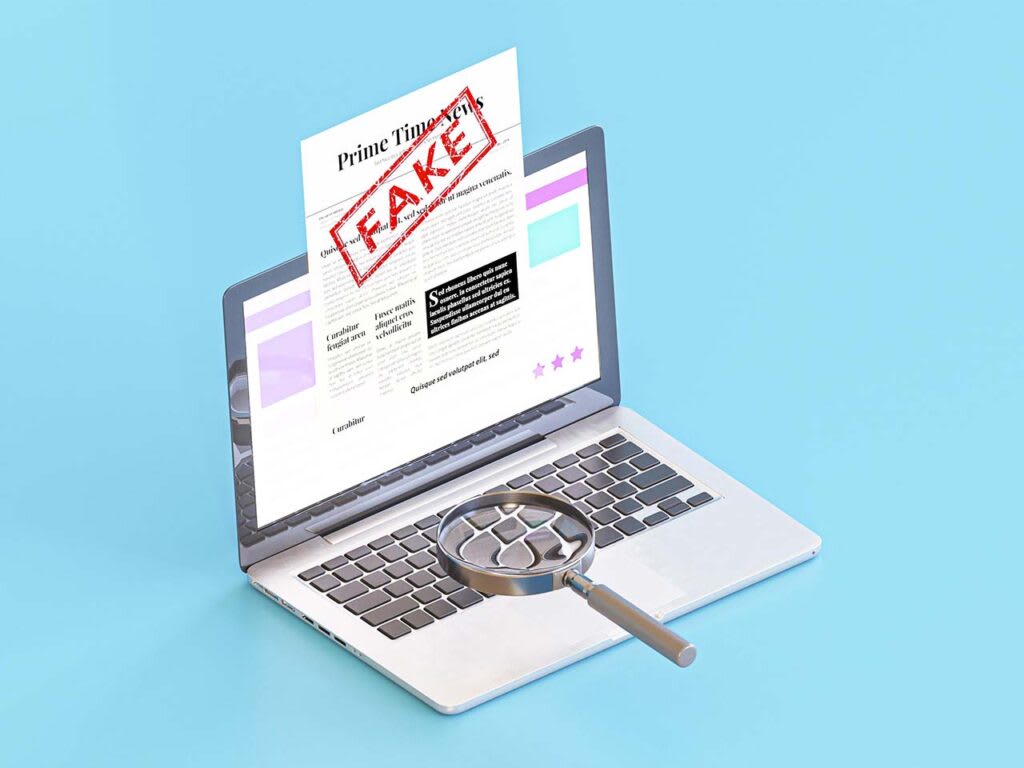
In today's competitive job market, where recent layoffs have increased the number of jobseekers, staying informed and vigilant against job scams is essential. Scammers exploit this environment to deceive individuals, aiming to obtain money, personal information, or even free labor. Here are key tips to identify and prevent such fraudulent practices, protecting both your time and security.
1. Research Before Applying
Before applying for any job, conduct thorough research on the company. Check its website, social media profiles, and reviews on platforms like Glassdoor to verify its legitimacy. If you find little or no information about the organization or its activities, consider this a red flag. Additionally, search for recent news about the company, such as financial developments or annual reports, to confirm its authenticity.
2. Vague Job Descriptions: A Warning Sign
Genuine job offers typically include detailed descriptions of the role, specifying responsibilities, qualifications, and compensation. If the listing lacks this information, it could be a scam. Clear and precise descriptions are hallmarks of legitimate opportunities, so be cautious of those that are overly generic or ambiguous.
3. Unsolicited Offers: Beware!
Receiving a job offer without having applied beforehand can be a warning sign. While recruiters may reach out to inform you about opportunities, legitimate companies do not send random offers. Always verify the sender's identity, check their LinkedIn profile, and be cautious before clicking on unknown links. If the email comes from a generic address like Gmail or contains grammatical and spelling errors, it is best to disregard it.
4. Never Pay for a Job
A legitimate employer will never ask you to pay for training, equipment, or any other job-related expense. If you encounter this, it is a scam. The same applies to multi-level marketing (MLM) offers involving high upfront costs. Stay alert and avoid these traps.
5. Offers Too Good to Be True
A job offer that promises an excessively high salary for minimal effort or experience is suspicious. Always verify the job conditions and compare them to market expectations using tools like salary calculators.
6. Verify the Offer Directly
Before accepting a job, confirm its validity by contacting the company directly. Some scammers use the names of real companies to appear legitimate. Also, ensure emails come from official domains.
7. Protect Your Personal Information
Do not provide sensitive data, such as your social security number or bank account details, until you have confirmed the legitimacy of the offer. Employers should request this information only after hiring you.
8. Be Cautious with Unemployment Benefits
If you are unemployed and planning to apply for benefits, make sure to use official websites. Many fraudulent pages attempt to capture personal information under the guise of simplifying the process. Also, avoid responding to suspicious text messages regarding your benefits.
Quick tips to avoid the “bait” of phishing emails or texts
- Be suspicious of messages requiring “urgent” action. These emails or texts may appeart to be from a reputable-sounding source or government agency, suggesting there’s a problem with your benefits, taxes, or even a warrant for your arrest.
- Don’t open attachments if you don’t know the sender.
- Consider the timing. These bad actors will exploit your daily habits or seasons. For example, during the lead up to gift-giving holidays, you may get an email or text attempting to look like a delivery service indicating there’s a problem with your package. Or from a well-known company saying there’s a problem with your order.
- Curiosity is a good thing but not when baited. Have you seen the social media posts tagging several people, including a link to a “news article” with some vague sentiment such as “I’m sure going to miss them?” Don’t click.
- Who are you really? Scammers will sometimes pretend to be someone in your organization, like the CEO, and text or email indicating they need your assistance. There is no realistic situation when your CEO will need you to send them a gift card. Alert your internal IT team to it and move on.
9. Recognize Fraudulent Emails and Messages
Phishing emails often contain grammatical or spelling errors, but may also be well-crafted using advanced tools. Be wary of messages that demand immediate action or contain suspicious links. Never open attachments from unknown senders.
10. Trust Your Instincts
If something feels off about a job offer, pay attention to that feeling. Ask questions about the company, its culture, and the role's responsibilities to assess if it is a legitimate opportunity. Real companies will be willing to provide more information.
Remote Jobs and Technical Evaluations
Despite new regulations encouraging a return to offices, legitimate remote jobs still exist. However, be wary of tasks like "stuffing envelopes," as they are often scams. For technical roles, expect reasonable assessments that allow you to showcase your skills and thought process, but maintain limits on the time and effort required.
About the Creator
Pizza Boxes Market Size and Forecast 2025–2033
Pizza Boxes Market: A Global Packaging Staple in Transformation The global Pizza Boxes Market is expected to reach US$ 3.79 billion by 2033, up from US$ 2.71 billion in 2024, registering a CAGR of 3.81% from 2025 to 2033. This steady expansion is driven by the accelerating demand for takeout and home delivery, rising global pizza consumption, rapid growth of quick-service restaurants (QSRs), and increasing environmental awareness that is reshaping packaging choices worldwide.
By Marthan Sir6 days ago in FYI




Comments
There are no comments for this story
Be the first to respond and start the conversation.