
Xiaomi 17 Pro Max vs Samsung Galaxy S25 Ultra — Which flagship wins in 2025?
A Complete 2025 Flagship Comparison — Display, Camera, Battery, and Performance Face-off Between Xiaomi 17 Pro Max and Samsung Galaxy S25 Ultra

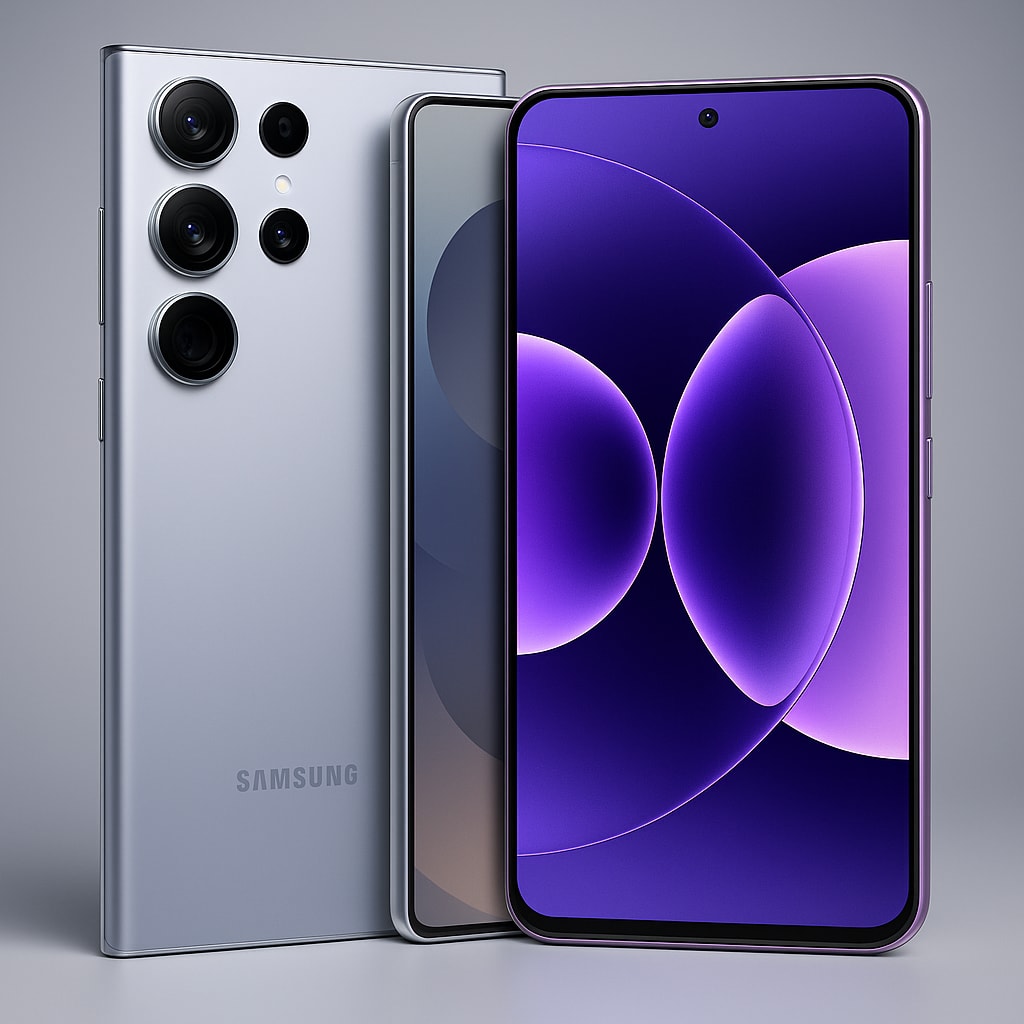
The flagship battle in late-2025 is a heavyweight match: Xiaomi’s 17 Pro Max arrives as a bold, battery-centric, dual-screen challenger while Samsung’s Galaxy S25 Ultra refines an already dominant formula with advanced AI, a pro-grade camera system, and a sleeker, titanium build. If you’re choosing between the two, here’s a complete, SEO-friendly comparison that covers displays, cameras, performance, battery, software, real-world use, pros & cons, and FAQs to help you pick the right phone.
Quick snapshot — the headline specs
Xiaomi 17 Pro Max: Snapdragon 8 Elite Gen 5, huge 7,500 mAh battery, 100W wired + 50W wireless charging, functional rear AMOLED secondary display, Leica-tuned 50MP triple cameras, HyperOS (Android 16/HyperOS 3). ([Xiaomi][1])
Samsung Galaxy S25 Ultra: Snapdragon 8 Elite (Galaxy variant), 6.9-inch QHD+ Dynamic AMOLED 2X 120Hz, 200MP main sensor, 5,000 mAh battery with ~45W wired charging, built-in S Pen, One UI 7 (Android 15) and deep Galaxy AI features. ([Samsung][2])
(Those two bullets are the core load-bearing claims — specs and platform choices that shape everything below.)
Design & display — big, bright, and different
Both phones are big and premium, but they take very different design approaches.
Xiaomi 17 Pro Max leans into novelty with a functional rear AMOLED display that sits alongside its camera island. That rear screen is useful for notifications, creative widgets, and framing selfies with the main cameras — a clear differentiator if you like gadgetry and personalization. The main display aims to match flagship brightness and smoothness standards. ([Android Central][3])
Samsung Galaxy S25 Ultra keeps the “refined flagship” look: a near bezel-less, 6.9-inch Dynamic AMOLED 2X panel with QHD+ resolution and a 120Hz adaptive refresh rate. Samsung’s panel typically leads in color accuracy, adaptive brightness control and outdoor legibility, and the S25 Ultra continues that trend with minimal bezels and a more ergonomic titanium frame. ([Samsung][2])
Edge: Samsung for display quality and polish; Xiaomi for quirky, attention-grabbing features (rear screen).
Cameras — versatility vs computational mastery
Camera battles are subjective, but key differences are clear.
Xiaomi 17 Pro Max focuses on Leica collaboration and large sensors across its triple-50MP array, plus a periscope telephoto (5× optical) — the emphasis is on natural color tuning and strong everyday performance, and the rear display gives you an easy way to take high-quality selfies with the main camera. ([Xiaomi][1])
Samsung Galaxy S25 Ultra doubles down on resolution and zoom: a 200MP primary sensor (for extreme detail with pixel-binning), upgraded wide and ultra-wide optics, and multiple telephoto modules for flexible long-range shots. Samsung’s computational pipeline (Galaxy AI, improved Nightography and Object-Aware Engine) also adds real advantages in low-light and complex scenes. ([Droid Life][4])
Edge: Samsung for sheer imaging versatility and computational features; Xiaomi for Leica tuning and practical selfie advantages via the rear screen.
Performance & software — power with different philosophies
Both phones use top-tier silicon and are engineered for sustained performance.
Processor & RAM: Both leverage Qualcomm’s latest top-tier platform (Snapdragon 8 Elite family) and high RAM configurations (12–16GB), so raw CPU/GPU benchmarks will be competitive and excellent for gaming, multitasking, and AI features. ([Xiaomi][1])
Software: Xiaomi ships HyperOS (privacy-oriented updates, deep customization) and a China-first release strategy; the global HyperOS builds are improving but check region-specific services (Google, carrier features) if you import a China variant. Samsung runs One UI 7 with Galaxy AI integrated, plus years of promised Android updates and strong enterprise/brand support. ([Xiaomi][1])
Edge: Samsung for global software maturity and long-term updates; Xiaomi for a fresh take with HyperOS and experimental features.
Battery & charging — Xiaomi’s clear advantage
If endurance is your top priority:
Xiaomi 17 Pro Max ships with a 7,500 mAh cell and 100W wired charging plus 50W wireless — phenomenal on paper and ideal for multi-day use, heavy gaming, or power users who dislike daily charging. The large capacity is the standout spec here. ([Xiaomi][1])
Samsung Galaxy S25 Ultra uses a 5,000 mAh battery with efficient display management and improved video playback times; Samsung’s power management and One UI optimizations are excellent, but the S25 Ultra won’t match the outright endurance numbers of Xiaomi’s 7,500 mAh flagship. ([Samsung][2])
Edge: Xiaomi for battery size and longer real-world runtime; Samsung for optimized efficiency and ecosystem reliability.
Real-world use — which suits you?
Buy the Xiaomi 17 Pro Max if you want massive battery life, a novel rear display, Leica color tuning, and top raw specs — and you’re comfortable checking bands/software if you’re outside China. ([Xiaomi][1])
Buy Samsung Galaxy S25 Ultra if you want the most polished Android experience, superior imaging versatility (especially telephoto and computational features), long software support and a globally supported device with the S Pen. ([Samsung][2])
Pros & Cons
Xiaomi 17 Pro Max
Pros
Massive 7,500 mAh battery (excellent endurance). ([Xiaomi][1])
Unique, functional rear AMOLED display for selfies, widgets, and personalization. ([Android Central][3])
Leica-tuned cameras and flagship Snapdragon 8 Elite Gen 5 performance. ([Xiaomi][1])
Cons
Likely China-first availability — possible Google services and carrier band issues if you import. ([Xiaomi][1])
Bigger and heavier (Pro Max size) — less pocketable.
The software ecosystem (HyperOS) is great but newer than Samsung’s — update cadence in global markets may lag initially.
Samsung Galaxy S25 Ultra
Pros
Best-in-class display, refined build (titanium frame), and proven software support. ([Samsung][2])
Extremely versatile camera system with 200MP main sensor and strong computational photography. ([Droid Life][4])
S Pen integration and deep Galaxy AI features for productivity. ([Samsung][2])
Cons
Battery (5,000 mAh) is solid but not class-leading vs Xiaomi’s 7,500 mAh. ([Samsung][2])
Premium price — you pay for polish, brand, and support. ([The Guardian][5])
Incremental upgrades vs S24 Ultra; not a dramatic reinvention.
Final verdict — who wins?
There’s no single winner; the right choice depends on priorities:
Choose Xiaomi 17 Pro Max if you prize battery life, a unique hardware trick (rear display), and raw value/specs — and you’re comfortable navigating regional availability or importing. ([Xiaomi][1])
Choose Samsung Galaxy S25 Ultra if you want a globally supported, polished flagship with best-in-class imaging flexibility, a premium build, and long software support (plus the S Pen). It’s the safer choice for most global buyers. ([Samsung][2])
FAQs (Frequently Asked Questions)
Q: Is the Xiaomi 17 Pro Max available globally?
A: Xiaomi initially launched the 17 series in China; global availability may follow but check local Xiaomi sites and carrier compatibility before buying — importing can lead to missing bands or limited warranty/support. ([Xiaomi][1])
Q: Which phone has better battery life?
A: Xiaomi 17 Pro Max has a bigger battery (7,500 mAh) and faster wired charging, so it should outlast the Galaxy S25 Ultra in pure runtime. Samsung, however, is highly optimized and may feel more balanced for everyday users. ([Xiaomi][1])
Q: Which camera system is better for zoom and detail?
A: Samsung’s S25 Ultra wins for zoom flexibility and high-resolution detail (200MP main sensor plus multiple telephoto options). Xiaomi’s Leica-tuned 50MP triple setup emphasizes color and real-world shooting simplicity. ([Droid Life][4])
Q: Should I worry about software updates and security?
A: Samsung offers a well-established update policy on flagship devices and strong enterprise/security features. Xiaomi’s HyperOS is evolving fast and Xiaomi promises regular updates, but global rollout timing can vary. ([Samsung][2])
Q: Which is better for gaming?
A: Both use top-tier chipsets (Snapdragon 8 Elite family) and high RAM options; gaming performance will be excellent on both. Xiaomi’s larger battery gives it an edge for extended sessions; Samsung may manage thermals and sustained performance slightly better thanks to refined cooling and software optimizations. ([Xiaomi][1])
About the Creator
NextGen Mobile Tech
- I review the latest smartphones, mobile accessories, and tech essentials to help you make smart buying decisions. Explore my curated kits for phones and gear here: [Kit.co link].
Keep reading
More stories from NextGen Mobile Tech and writers in Futurism and other communities.
Apple iPad Pro 13-inch (M5) Review — Redefining the Future of Tablets
When Apple first launched the iPad Pro, it was clear that the company wanted to bridge the gap between tablet and laptop. Over the years, each generation has pushed that line further — but the new Apple iPad Pro 13-inch (M5) completely redraws it. With the blazing-fast M5 chip, Ultra Retina XDR display, Apple Intelligence integration, and iPadOS 26, this model doesn’t just refine the iPad experience — it reinvents it.
By NextGen Mobile Tech3 months ago in Futurism
About Binding Prometheus
I want to start actively advocating on behalf of my own work, and the most valuable part of my canon is, without a doubt, Binding Prometheus, the play I have been working on since 2019 and only finished in 2023 as part of my MA. The play itself is an amalgamation of a million different inspirations. On one end, it evokes the Ancient Greek myth-play, deriving its own title from the earliest extant work of Western drama we have, Aeschylus’s Prometheus Bound. On the other end, it borrows significantly from the sci-fi bulwarks from over the years, namely Mary Shelley’s Frankenstein and Karel Capek’s Rossum’s Universal Robots. The play could be an episode of Black Mirror, I fear. I don’t know. I’ve only ever seen one episode of Black Mirror.
By Steven Christopher McKnight18 days ago in Futurism
AI's Approach to Medical Device Software Design
The healthcare industry is undergoing a rapid digital transformation, driven by the increasing adoption of connected medical devices, smart diagnostics, and software-powered patient care systems. At the heart of this evolution lies medical device software design, a specialized discipline that blends healthcare expertise, regulatory compliance, and advanced engineering to create reliable, life-critical digital solutions.
By Steve Waugh3 days ago in Futurism




Comments
There are no comments for this story
Be the first to respond and start the conversation.