
Why TikTok Users Move to Xiaohongshu
It’s not just politics, it’s also UX


My FYP is filled with frustrated rants tearful goodbyes to TikTok, and now guides to basic Chinese phrases. The latter comes from the apparent exodus of TikTok users, in preparation for the platform’s ban on January 19th, to the Chinese app Xiaohongshu or “Red Note.”
As of the time of this writing, the top app in the App Store is Xiaohongshu.
Why has Xiaohongshu, a platform previously totally unknown to many US users, risen as an alternative to TikTok? Why hasn’t Instagram or X or Facebook or YouTube Shorts become the TikTok alternative of choice?
Part of the reason has to do with user experience, and part of it has to do with politics and trust. Trust, as I have argued before, is a powerful part of building and maintaining user relationships.
Why aren’t current TikTok users considering US social media giants?
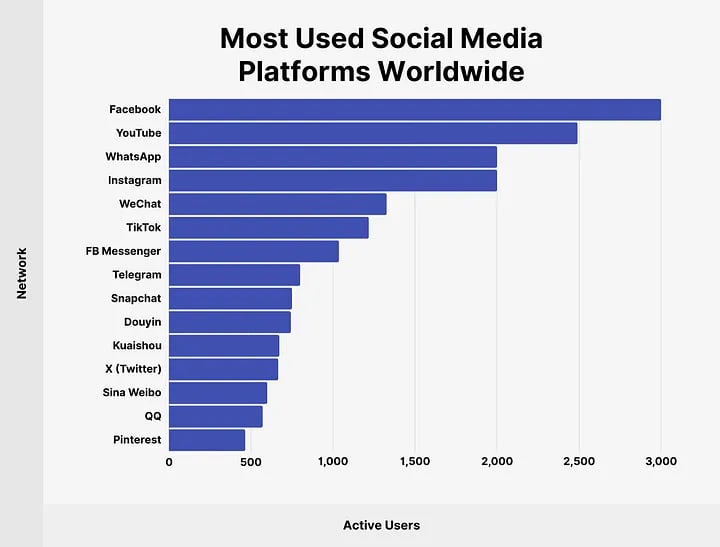
TikTok rose as the star of social media despite the power and influence of Meta’s offerings. This is due partially to TikTok’s enviable Gen Z user base. 62% of TikTok’s 1.5 billion users are aged 18–29.
Facebook’s 3 billion active monthly users skew older than other apps, with approximately 50% being between the ages of 25–44. Facebook is the platform of choice for users connecting with people they know offline, like family members and co-workers. An account is typically someone’s real, government name rather than a made-up username.
Instagram, also owned by Meta, is more welcoming to anonymous accounts. Users are younger, 31% are between ages 18–24. Over the past few years, the platform has made efforts to emulate TikTok via Instagram Reels, a choice that proved controversial with users who felt like the original experience of the app was being lost.
Given this attempt to cater to TikTok users, shouldn’t Instagram be the platform of choice for these so-called refugees?

It’s the vibes…
One of the sticky issues that Meta’s platforms and YouTube Shorts is the nebulous problem of ✨vibes✨. Yes, ✨vibes✨ are part of the user experience.
The vibes in question here are the highly polished, almost professional nature of these platforms. Facebook has been mobbed by brands with their social media managers and bot accounts that fool the aging user base with AI-generated posts.
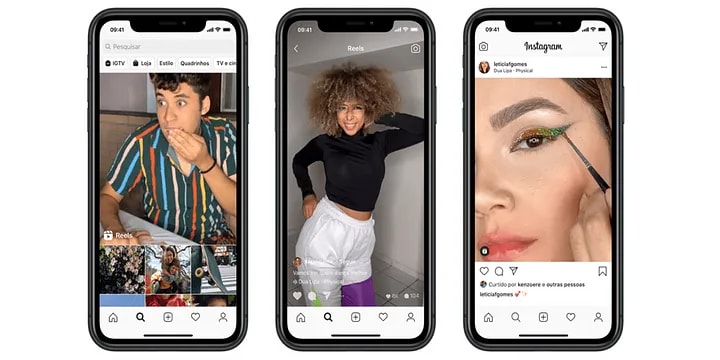
The same goes for Instagram, which suffers from its issues with bots. Instagram is where users post the highlights of their lives — pictures edited within an inch of their lives and videos that only show the cleanest, curated moments. The most popular users, indeed the ones that the algorithm pushes to the top, are movie stars, models, and athletes.
YouTube Shorts, which should be the obvious answer to TikTok, is likewise populated by professionals who have been honing their craft for years. It doesn’t feel like the kind of platform a user could quickly hop onto and just as quickly go viral.
The vibes on TikTok are quirkier and more messy — they feel more true to life than the posts on other platforms. Users post their innermost thoughts while lying in bed, one cheek half sunk into a pillow. Videos that go viral are authentic snippets of life rather than skits devised by professionals. It is surprisingly easy to accidentally go viral on TikTok, whereas “going viral” has been broken down into science on other social media platforms.
This is to say nothing of the fact that TikTok’s for you page is the envy of all other social media companies, perfectly tailored to every user in a way that keeps users scrolling for hours.
The all-powerful algorithm
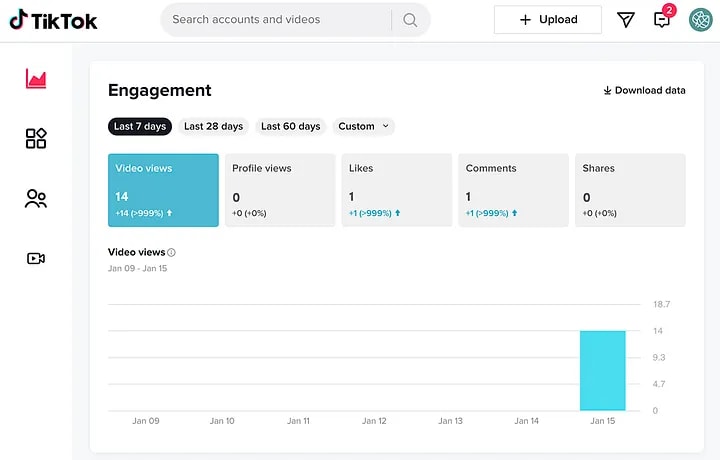
What does TikTok do that sets it apart? While the exact inner workings of TikTok’s algorithm is a proprietary mystery — much to the ire of Mark Zuckerberg — it’s clear that it prioritizes user engagement and preferences over popularity. This means that an archeology nerd will be served TikToks about the history and new fossil finds rather than celebrity gossip or the latest post from Selena Gomez.
This keeps users scrolling and lends an overall sense of authenticity to TikTok. The app rapidly adjusts to cater to the current needs of the user. For example, while researching this article, my For You Page offered videos about Xiaohongshu and thoughts about the TikTok ban. The night before, when I was baking cookies, recipes, and sweets dominated my FYP.
My Instagram and YouTube Shorts feeds are largely informed by the accounts I follow and are therefore consistent (read: stagnant) in comparison.
Can we still (not) trust Meta?
Previously, I wrote about how X.com née Twitter was bleeding users due to consistent betrayals of trust. But can we say that Meta is any better? Over the years, the company has faced ongoing criticism for privacy concerns, algorithmic manipulation, and misinformation spread, raising the question: can users still trust Meta to act in their best interests?
Despite Meta’s claims it prioritizes user safety and privacy, critics argue its track record says otherwise. In late 2023, Meta announced it would begin charging for ad-free experiences while still collecting user data, raising concerns about monetizing privacy rather than protecting it. Additionally, Meta’s recent decision to roll back third-party fact-checking has fueled fears of misinformation running unchecked on its platforms.
With mounting distrust, Meta is not the natural refuge for TikTok users. Some even speculate that the proposed TikTok ban benefits Meta, eliminating one of its biggest competitors while sidestepping its regulatory scrutiny. The question remains: has Meta done enough to regain user trust, or is it simply capitalizing on the chaos?
Why Xiaohongshu?
Even without considering the issues I mentioned, there are several reasons why TikTok users are interested in Xiaohongshu. Its user interface is similar to that of Pinterest, but its video-centered experience has been called a “TikTok clone.” Like TikTok, the platform seems home to authentic users rather than corporate or AI accounts, allowing natural interactions to occur despite the new language barrier.
The switch to Xiaohongshu therefore is motivated by a desire to find a “TikTok clone” and partially as a way to spite both the government’s unpopular decision and the companies whose interests are perhaps arguably behind the proposed ban.
🚨Full disclosure: Personally and (un)professionally, I hope that the ban does not take permanent effect. Beyond curtailing free expression, it would set a worrisome precedent that prioritizes corporate interests over public conversation. Unlike Facebook or X.com, TikTok is a modern-day “town square,” a place for open debate and grassroots content creation.
Happy designing!
About the Creator
Gading Widyatamaka
Jakarta-based graphic designer with over 5 years of freelance work on Upwork and Fiverr. Managing 100s logo design, branding, and web-dev projects.
Keep reading
More stories from Gading Widyatamaka and writers in Futurism and other communities.
Australia Meat Processing Market: Automation & Tech, Domestic Demand & Export Growth
According to IMARC Group, the Australia meat processing market reached USD 500.2 Million in 2025 and is projected to grow to USD 1,269.4 Million by 2034, exhibiting a compound annual growth rate (CAGR) of 9.41% during 2026–2034. The market’s strong expansion reflects rising demand for high-quality meat products, expanding export opportunities, and rapid technological modernization across processing facilities in Australia. With a well-established livestock sector and a global reputation for premium beef and lamb, Australia continues to strengthen its competitive position in international markets. Automation, traceability systems, and sustainability initiatives are increasingly shaping Australia meat processing market share.
By Shrestha Roy5 days ago in Futurism
Aircraft Lighting Market: Why the Lights on Your Plane Matter More Than You Think
Next time you board a flight, take a moment before you settle into your seat to look around. The soft glow overhead as you shuffle down the aisle. The reading light above your headrest. The subtle blue wash that fills the cabin during a red-eye as most passengers drift off to sleep. And if you've ever watched a plane approach through the dark from the ground, you've seen those rhythmic strobes and steady navigation lights that make aircraft visible across miles of sky.
By Frank Morgan5 days ago in Futurism




Comments
There are no comments for this story
Be the first to respond and start the conversation.