
What is the Digital Product Passport?
Understand the concept, benefits, and implications of this emerging tool for consumers, businesses, and the environment.

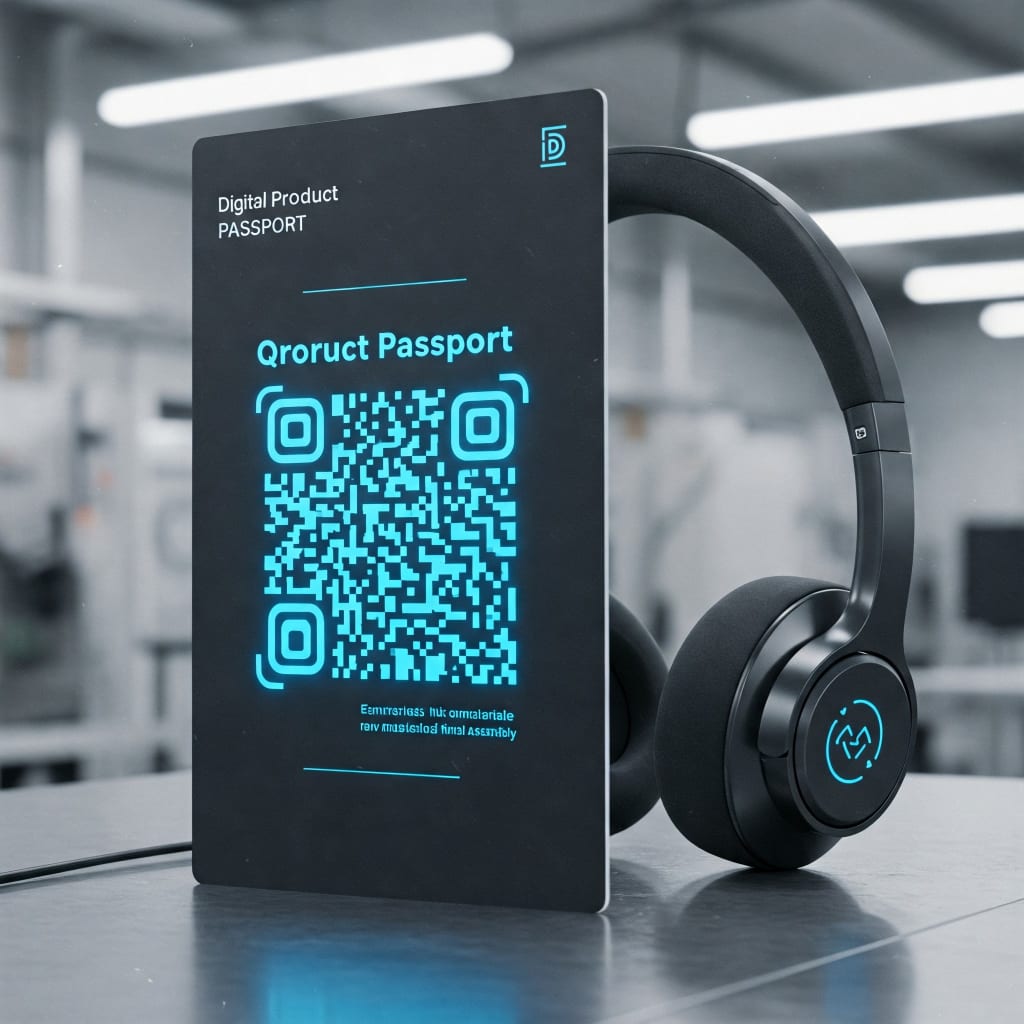
Imagine a world where you know everything about the products you buy. Not just the brand name and price, but where the materials came from, how it was made, its environmental impact, and even how to recycle it properly. This isn't a futuristic fantasy; it's the vision behind the Digital Product Passport (DPP).
What is a Digital Product Passport?
Think of a DPP as a detailed digital "resume" for a product. It's a collection of data, accessible through a QR code, barcode, or similar technology on the product itself. This passport holds information about the product's entire lifecycle, from the raw materials to its eventual disposal or reuse.
Instead of a paper booklet, the DPP is a digital record, often using technologies like blockchain to ensure the information is secure and trustworthy. When you scan the code with your smartphone, you can access a wealth of information previously hidden from view.
Why Do We Need Digital Product Passports?
The DPP is driven by a growing need for sustainability and transparency. Consumers are increasingly demanding to know the environmental and ethical impact of their purchases. The DPP empowers them to make informed choices.
For businesses, the DPP can:
Enhance Transparency: Build trust with customers by providing clear and verifiable information.
Improve Supply Chain Management: Track products through their entire journey, optimizing processes and reducing waste.
Ensure Regulatory Compliance: Meet the growing number of environmental regulations, particularly in the European Union.
Identify and Mitigate Risks: Detect issues related to authenticity, compliance, and environmental impact.
Promote a Circular Economy: Facilitate reuse, repair, and recycling by providing detailed information about a product's composition and end-of-life options.
What Kind of Information Does a DPP Contain?
The specific information in a DPP can vary depending on the product, but it generally includes:
Basic Product Data: Name, model, manufacturing date, and warranty details.
Material Data: Origins of raw materials, components, and suppliers.
Sustainability Information: Environmental footprint, recyclability, and durability.
Repair Data: Reparability information, repair history, and instructions.
Ownership Data: Information on current and past owners, especially for durable goods.
Compliance Documentation: Certificates and standards the product meets.
Disposal and Recycling Instructions: How to properly dispose or recycle the product.
The EU and the Digital Product Passport
The European Union is at the forefront of the DPP movement. The Eco-design for Sustainable Products Regulation (ESPR) mandates DPPs for a wide range of products sold in the EU. This regulation aims to create a circular economy, where products are designed for longevity, reuse, and recycling.
The EU's initiative will have a global impact. Companies that sell products in Europe, regardless of their location, will need to comply with the DPP requirements.
The Benefits for Everyone
The DPP offers benefits for various stakeholders:
Consumers: Make informed and sustainable purchasing decisions.
Businesses: Improve brand reputation, optimize supply chains, and comply with regulations.
Policymakers: Promote sustainability and a circular economy.
Recyclers: Access information needed for efficient recycling and resource recovery.
The Technology Behind the DPP
Several technologies are used to create and manage DPPs, including:
QR Codes, Barcodes, and RFID Tags: To link the physical product to its digital passport.
Blockchain: To ensure data security, traceability, and trustworthiness.
Databases and Cloud Storage: To store and manage the large amounts of product data.
Software Platforms: To facilitate data sharing and access for different stakeholders.
The Future of the Digital Product Passport
The DPP is still in its early stages, but its potential is enormous. As the technology evolves and regulations become more widespread, we can expect to see DPPs for an increasing number of products.
In the future, DPPs could:
Enable new business models, such as product-as-a-service.
Facilitate the resale and reuse of products.
Provide personalized information and services to consumers.
Help track and reduce waste and pollution.
The Digital Product Passport is more than just a digital record; it's a tool for creating a more sustainable and transparent future. By empowering consumers and businesses with information, the DPP can help us all make better choices and build a circular economy where resources are valued and waste is minimized. It's a step towards a world where every product has a story, and that story is readily available to everyone.
About the Creator
Saim Bill
I’m a passionate article writer who loves sharing ideas, stories, and insights with the world.
Reader insights
Nice work
Very well written. Keep up the good work!
Top insight
On-point and relevant
Writing reflected the title & theme
About Binding Prometheus
I want to start actively advocating on behalf of my own work, and the most valuable part of my canon is, without a doubt, Binding Prometheus, the play I have been working on since 2019 and only finished in 2023 as part of my MA. The play itself is an amalgamation of a million different inspirations. On one end, it evokes the Ancient Greek myth-play, deriving its own title from the earliest extant work of Western drama we have, Aeschylus’s Prometheus Bound. On the other end, it borrows significantly from the sci-fi bulwarks from over the years, namely Mary Shelley’s Frankenstein and Karel Capek’s Rossum’s Universal Robots. The play could be an episode of Black Mirror, I fear. I don’t know. I’ve only ever seen one episode of Black Mirror.
By Steven Christopher McKnight17 days ago in Futurism
Top 10 Fintech Software Development Companies in USA 2026
In today’s rapidly evolving digital finance landscape, fintech companies and traditional financial institutions alike are investing heavily in advanced software solutions that enable secure transactions, seamless customer experiences, and robust compliance with regulatory standards. As we enter 2026, the demand for specialized fintech software development services continues to grow, driven by technologies such as blockchain, artificial intelligence (AI), machine learning (ML), and cloud-native architectures. Choosing the right development partner can make or break a fintech project, whether it’s launching a next-generation digital wallet, a mobile banking platform, a payment processing system, or a comprehensive financial analytics suite. This article profiles the top 10 fintech software development companies that stand out in the United States market for their innovation, technical expertise, industry experience, and ability to deliver scalable, secure solutions that meet the unique needs of finance organizations.
By Steve Waugh4 days ago in Futurism




Comments (1)
It will be interesting if this actually takes off. Especially with technology products that source their components from Asia while claiming to be made somewhere else.