
What is called natural gas? What is natural gas used for?
Where is natural gas found? How Harmful is natural gas?


What is called natural gas?
Natural gas is a fossil fuel that is formed from the remains of plants and animals that lived millions of years ago. It is a colorless, odorless, and tasteless gas that is composed primarily of methane, a hydrocarbon molecule with one carbon atom and four hydrogen atoms. Natural gas is found in underground reservoirs, and it is extracted from the ground through a process called drilling.
Natural gas is an important energy source that is used for a wide range of purposes, including heating, cooking, electricity generation, and transportation. It is considered a clean and efficient energy source, as it produces fewer emissions and pollutants compared to other fossil fuels, such as coal and oil. Natural gas is also a relatively abundant and inexpensive energy source, and it is widely available in many parts of the world.
However, natural gas is a nonrenewable resource, and its extraction and use can have negative environmental impacts, such as air pollution and greenhouse gas emissions. There is also the risk of natural gas leaks, which can pose a danger to people and the environment.
What natural gas used for?
Natural gas is a widely used energy source that is used for a variety of purposes, including:
- Heating: Natural gas is a common fuel for heating homes and buildings. It is often used in furnaces, boilers, and water heaters, and it is generally considered a clean and efficient way to heat buildings.
- Cooking: Natural gas is often used for cooking in residential and commercial kitchens. It is often used in gas stoves, ovens, and other cooking appliances, and it is known for its quick and even heat.
- Electricity generation: Natural gas is a popular fuel for generating electricity, as it is efficient and produces fewer emissions compared to other fossil fuels, such as coal and oil.
- Transportation: Natural gas can be used as a fuel for vehicles, including cars, buses, and trucks. It is often used in fleet vehicles, such as taxis and delivery trucks, and it is considered a cleaner and more efficient alternative to gasoline and diesel.
- Industrial uses: Natural gas is also used in a variety of industrial applications, including the production of chemicals, plastics, and fertilizers.
Overall, natural gas is an important energy source that is widely used for a variety of purposes. It is known for its efficiency and relatively low emissions, and it is widely available in many parts of the world.
Where is natural gas found?
Natural gas is found in underground reservoirs, typically in rock formations such as shale, coal beds, and sandstone. It is often found in conjunction with oil, and it is extracted from the ground through a process called drilling.
Natural gas deposits are found in many parts of the world, including North America, Europe, Asia, and Australia. Some of the largest natural gas reserves are located in Russia, Iran, and Qatar.
There are several methods for extracting natural gas from underground reservoirs, including traditional drilling, hydraulic fracturing (also known as "fracking"), and horizontal drilling. Once the gas is extracted, it is processed to remove impurities, such as water and other minerals, and it is then transported to market through pipelines or shipped by tanker.
Natural gas is a nonrenewable resource, and its extraction and use can have negative environmental impacts, such as air pollution and greenhouse gas emissions. It is also a finite resource, and it will eventually be depleted. As a result, there is a growing emphasis on developing renewable energy sources, such as wind and solar power, to reduce reliance on fossil fuels like natural gas.
Is natural gas renewable?
No, natural gas is not a renewable energy source. It is a fossil fuel that is formed from the remains of plants and animals that lived millions of years ago. As a nonrenewable resource, natural gas is a finite resource that will eventually be depleted.
Fossil fuels, including natural gas, are formed through a process called fossilization, in which organic matter is subjected to high pressure and heat over millions of years. This process converts the organic matter into hydrocarbons, such as methane, which is the main component of natural gas.
While natural gas is an important energy source that is widely used for a variety of purposes, including heating, cooking, electricity generation, and transportation, it is not a renewable resource. Its extraction and use can also have negative environmental impacts, such as air pollution and greenhouse gas emissions.
Renewable energy sources, such as wind and solar power, do not have these limitations, as they are replenished naturally and do not produce emissions or pollutants. There is a growing emphasis on developing and using renewable energy sources to reduce reliance on fossil fuels like natural gas and to address the challenges of climate change.
How harmful is natural gas?
Natural gas is a fossil fuel that is composed primarily of methane, a hydrocarbon molecule with one carbon atom and four hydrogen atoms. It is a clean-burning fuel that is considered a relatively efficient and low-emitting energy source compared to other fossil fuels, such as coal and oil.
However, natural gas is not without risks and potential negative impacts. The extraction and use of natural gas can have environmental impacts, including air pollution and greenhouse gas emissions. The process of extracting natural gas, including traditional drilling and hydraulic fracturing (also known as "fracking"), can also have negative impacts on air and water quality.
There is also the risk of natural gas leaks, which can pose a danger to people and the environment. Natural gas is highly flammable, and leaks can cause fires and explosions. In addition, methane, the main component of natural gas, is a potent greenhouse gas that contributes to climate change.
Overall, natural gas is a widely used energy source that is known for its efficiency and relatively low emissions compared to other fossil fuels. However, it is important to carefully consider the risks and potential negative impacts of natural gas and to adopt appropriate measures to mitigate these impacts.
For more information: Click here
About the Creator
Being Inquisitive
As a nutrition student, I blog about food, mental wellness, and student health. Beyond nutrition, I also share thoughts on university life. It can be a way to share your passion and interests and to engage with like-minded individuals.
Keep reading
More stories from Being Inquisitive and writers in Futurism and other communities.
What is meant by electric vehicles? What benefits of electric vehicles?
What is meant by electric vehicle? An electric vehicle (EV) is a type of vehicle that is powered by an electric motor rather than an internal combustion engine. EVs use electricity stored in a battery pack to power their motors, and they do not produce emissions or pollute the air like vehicles powered by fossil fuels.
By Being Inquisitive3 years ago in Futurism
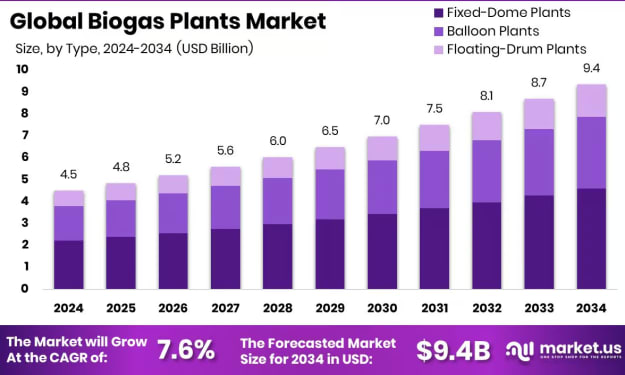
Biogas Plants Market To Reach USD 9.4 Billion by 2034 at 7.6% CAGR
Overview The Biogas Plants Market is projected to experience steady growth over the coming decade, driven by increasing demand for renewable energy and sustainable waste management solutions. The market is expected to be worth around USD 9.4 billion by 2034, up from USD 4.5 billion in 2024, growing at a compound annual growth rate (CAGR) of 7.6% from 2025 to 2034. Biogas plants convert organic waste such as agricultural residues, food waste, and animal manure into renewable energy in the form of biogas, which can be used for electricity generation, heating, and transportation fuel.
By Hayden Kulas3 days ago in Futurism
Thermal Paper Market: POS Receipt Demand, Retail Digitization & Industry Growth Outlook
According to IMARC Group's latest research publication, The global thermal paper market size was valued at USD 4.7 Billion in 2025. Looking forward, IMARC Group estimates the market to reach USD 6.9 Billion by 2034, exhibiting a CAGR of 4.22% during 2026-2034.
By sujeet. imarcgroup4 days ago in Futurism



Comments
There are no comments for this story
Be the first to respond and start the conversation.