
What is meant by electric vehicles? What benefits of electric vehicles?
Advantages and disadvantages of electric vehicles

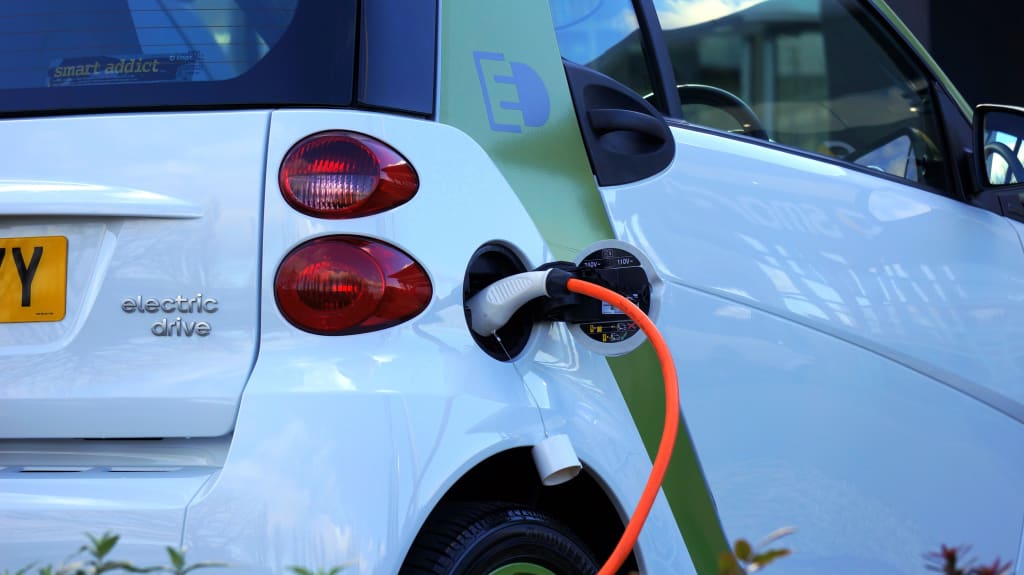
What is meant by electric vehicle?
An electric vehicle (EV) is a type of vehicle that is powered by an electric motor rather than an internal combustion engine. EVs use electricity stored in a battery pack to power their motors, and they do not produce emissions or pollute the air like vehicles powered by fossil fuels.
EVs have several advantages over vehicles powered by fossil fuels. They are generally cheaper to operate, as electricity is typically cheaper than gasoline. They are also more efficient, as they convert a higher percentage of their energy into power for the vehicle. In addition, EVs produce zero emissions, making them a cleaner and more environmentally friendly transportation option.
There are several types of EVs, including all-electric vehicles (AEVs) and plug-in hybrid electric vehicles (PHEVs). A EV, such as the Tesla Model S, are powered solely by electricity and do not have an internal combustion engine. PHEVs, such as the Toyota Prius Prime, have both an electric motor and an internal combustion engine, and can be plugged in to recharge their battery packs.
EVs are becoming increasingly popular as concerns about climate change and air pollution grow. Many governments and organizations around the world are promoting the adoption of EVs as a way to reduce reliance on fossil fuels and reduce greenhouse gas emissions.
Benefits of electric vehicles?
There are several benefits of electric vehicles (EVs), including:
- Lower operating costs: EVs are generally cheaper to operate than vehicles powered by fossil fuels, as electricity is typically cheaper than gasoline.
- Higher efficiency: EVs are more efficient than vehicles powered by fossil fuels, as they convert a higher percentage of their energy into power for the vehicle.
- Zero emissions: EVs produce zero emissions, making them a cleaner and more environmentally friendly transportation option.
- Quiet operation: EVs are much quieter than vehicles powered by internal combustion engines, which can reduce noise pollution in urban areas.
- Reduced dependence on fossil fuels: EVs can help reduce reliance on fossil fuels and decrease our dependence on foreign oil.
- Potential to reduce greenhouse gas emissions: The adoption of EVs can help reduce greenhouse gas emissions, which are a major contributor to climate change.
- Government incentives: Many governments offer incentives, such as tax credits or rebates, to encourage the adoption of EVs.
EVs have the potential to significantly reduce our reliance on fossil fuels, lower operating costs, and improve air quality. They are an increasingly popular transportation option, and their adoption is likely to continue to grow in the coming years.
What are advantages and disadvantages of electric vehicle?
Electric vehicles (EVs) have several advantages over vehicles powered by fossil fuels, including lower operating costs, higher efficiency, zero emissions, quiet operation, and the potential to reduce greenhouse gas emissions and dependence on fossil fuels. However, EVs also have some disadvantages, including:
Limited range: Most EVs have a limited driving range, typically around 200-300 miles on a single charge. This may not be sufficient for long distance travel, and it can require frequent stops to recharge the battery.
Long recharge times: It can take several hours to fully recharge an EV battery, which can be inconvenient for long trips or if there are no charging stations available.
High upfront cost: EVs are generally more expensive to purchase than vehicles powered by fossil fuels, although the higher efficiency of EVs can offset some of this cost over time.
Limited charging infrastructure: There are still relatively few charging stations available, which can make it difficult to find a place to recharge an EV, especially in rural areas.
Dependence on electricity: EVs are dependent on electricity, which can be generated from a variety of sources, including fossil fuels, nuclear energy, and renewable energy sources. If the electricity used to charge an EV is generated from fossil fuels, it may not produce zero emissions.
Overall, the benefits and disadvantages of EVs depend on the specific circumstances and needs of the individual or organization considering them. It is important to carefully consider the pros and cons of EVs before making a decision to purchase one.
For more information : Click Here
About the Creator
Being Inquisitive
Blogging can provide a creative outlet for expressing your thoughts, feelings, and ideas. It can be a way to share your passion and interests with others and to engage with like-minded individuals.
Keep reading
More stories from Being Inquisitive and writers in Futurism and other communities.
What is a cryptocurrency and how it works?
What is cryptocurrency and how it works? Cryptocurrency is a digital or virtual currency that uses cryptography for security and is not backed by any central authority, such as a government or financial institution. Cryptocurrencies are decentralized systems that allow users to make secure payments and store money without the need for a bank or other financial intermediary.
By Being Inquisitive3 years ago in Futurism
About Binding Prometheus
I want to start actively advocating on behalf of my own work, and the most valuable part of my canon is, without a doubt, Binding Prometheus, the play I have been working on since 2019 and only finished in 2023 as part of my MA. The play itself is an amalgamation of a million different inspirations. On one end, it evokes the Ancient Greek myth-play, deriving its own title from the earliest extant work of Western drama we have, Aeschylus’s Prometheus Bound. On the other end, it borrows significantly from the sci-fi bulwarks from over the years, namely Mary Shelley’s Frankenstein and Karel Capek’s Rossum’s Universal Robots. The play could be an episode of Black Mirror, I fear. I don’t know. I’ve only ever seen one episode of Black Mirror.
By Steven Christopher McKnight19 days ago in Futurism
RegTech Market: Regulatory Complexity, Automation & Market Opportunities
According to IMARC Group's latest research publication, global RegTech market size reached USD 18.6 Billion in 2025. Looking forward, IMARC Group expects the market to reach USD 77.0 Billion by 2034, exhibiting a growth rate (CAGR) of 17.10% during 2026-2034.
By Andrew Sullivan7 days ago in Futurism



Comments
There are no comments for this story
Be the first to respond and start the conversation.