
Virtual Try-On: Is It the Future of Buying Clothes Online?
Discover how AI-powered virtual fitting rooms are transforming online shopping experiences. Explore the benefits and future of virtual try-on technology for fashion e-commerce.

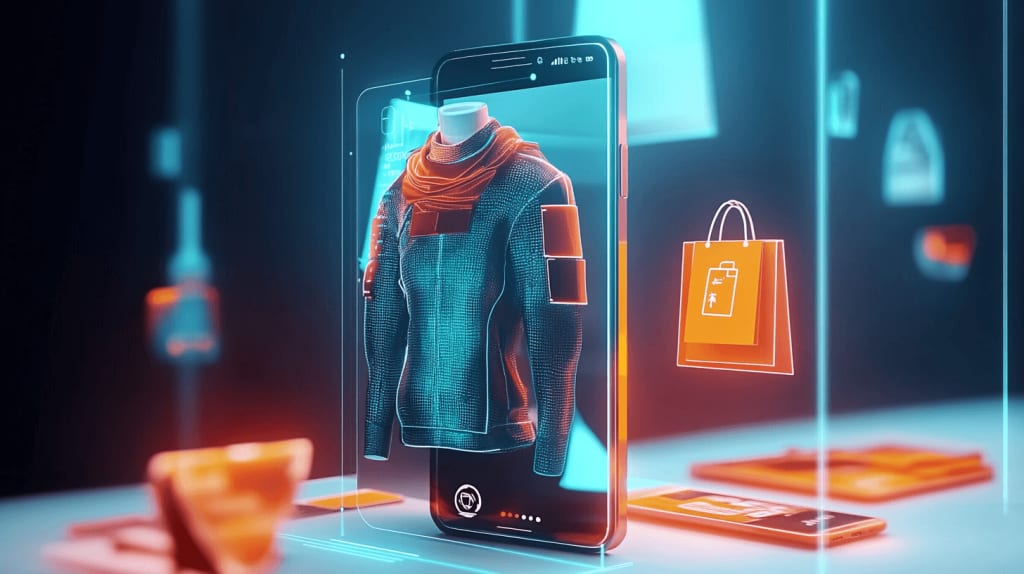
In the rapidly evolving landscape of e-commerce, one persistent challenge has plagued online clothing retailers and shoppers alike: the inability to try before you buy. This fundamental limitation has led to high return rates, customer dissatisfaction, and environmental concerns from excessive shipping. Enter virtual try-on technology-an innovative solution powered by artificial intelligence that's transforming how we shop for clothes online.
The Evolution of Online Shopping Experiences
Online shopping has come a long way from simple product images and basic descriptions. As digital retail has matured, consumers have increasingly demanded experiences that more closely mirror physical shopping. The journey from static images to 360-degree views was significant, but virtual try-on (VTO) technology represents a quantum leap in bridging the gap between online convenience and in-store confidence.
What Exactly Is Virtual Try-On Technology?
Virtual try-on is an AI-powered technology that allows shoppers to see how clothing items would look on their bodies without physically wearing them. Using a combination of computer vision, augmented reality (AR), and artificial intelligence, VTO creates realistic visualizations of garments on the shopper's body or a customizable avatar.
There are several approaches to virtual try-on:
1. Real-Time AR Try-On
Using your smartphone or computer camera, these solutions overlay clothing items on your live image, allowing you to move and see how garments might flow and fit from different angles.
2. 3D Avatar-Based Systems
By inputting your measurements or using body scanning technology, these systems create a digital twin that can try on clothes, providing a more accurate representation of fit across various body types.
3. Photo-Based Virtual Fitting
Upload a photo of yourself, and AI algorithms will digitally dress you in your selected items, giving you a static but personalized visualization.
The Technology Behind AI Virtual Fitting Rooms
The magic behind virtual try-on involves several cutting-edge technologies working in concert:
Computer Vision and AI
Advanced algorithms analyze both the garment and the shopper's body, understanding key points, dimensions, and how fabric should naturally drape on different body shapes.
3D Modeling
Many solutions create detailed 3D models of clothing items, complete with fabric physics simulations that account for how different materials move and behave.
Augmented Reality
AR technology seamlessly blends the digital clothing with the real-world image of the shopper, creating a convincing composite image or video.
Body Measurement Technology
Some systems incorporate precise body measurement tools that use just a few reference points to accurately determine dozens of body measurements, ensuring more accurate fit predictions.
The Transformative Benefits of Virtual Try-On
The adoption of AI virtual fitting rooms offers substantial benefits for both shoppers and retailers:
For Shoppers:
- Reduced Uncertainty: See how items actually look on your body before purchasing
- Time Efficiency: Try dozens of outfits in minutes rather than hours
- Expanded Options: Experiment with styles you might not normally consider
- Convenience: Shop from anywhere while maintaining the confidence of in-store try-ons
- Personalized Recommendations: Receive style suggestions based on what looks best on your specific body type
For Retailers:
- Lower Return Rates: When customers can visualize fit before buying, returns decrease significantly
- Increased Conversion Rates: Shoppers buy with greater confidence when they can "try before they buy"
- Reduced Cart Abandonment: Addressing fit concerns keeps customers moving through the purchase journey
- Valuable Data Collection: Learn which styles appeal to which body types and demographics
- Sustainability Improvements: Fewer returns means reduced shipping and packaging waste
Current Implementation Challenges
Despite its promise, virtual try-on technology still faces several hurdles:
Technical Limitations
Accurately simulating how fabric drapes, clings, stretches, and moves on different body types remains challenging, especially for complex garments or unusual materials.
User Experience Gaps
Many current solutions require multiple steps or specific lighting conditions, creating friction that can discourage adoption.
Accuracy Concerns
Early adopters have noted discrepancies between how items look in virtual try-on versus reality, potentially undermining trust in the technology.
Integration Complexity
Implementing VTO often requires significant changes to product photography, website architecture, and inventory management systems.
How Glance Is Revolutionizing Virtual Try-On Experiences
At the forefront of virtual try-on innovation is Glance's AI-powered fashion technology, which is transforming how users discover and experience clothing online. Glance's approach integrates seemlessly into the user journey, providing virtual try-on capabilities that feel natural and intuitive.
What sets Glance's solution apart is its focus on discovery rather than just utility. By bringing virtual try-on experiences directly to users through their lock screens and idle moments, Glance creates spontaneous opportunities for fashion exploration. This approach moves beyond the traditional e-commerce framework where shoppers must actively seek out items to try on.
Glance's VTO technology uses advanced AI to ensure realistic fabric simulation, accurate sizing recommendations, and personalized style suggestions—all delivered in moments when users are most receptive to fashion inspiration.
The Future Landscape of Virtual Try-On
As we look ahead, several emerging trends suggest where virtual try-on is headed:
Hyper-Personalization
Future VTO systems will consider not just body dimensions but personal style preferences, past purchases, and even current wardrobe items to suggest complete outfits.
Social Shopping Integration
Virtual try-on will increasingly become a shared experience, allowing friends to see outfits on each other and provide feedback despite being physically separated.
Physical-Digital Retail Blending
Brick-and-mortar stores will incorporate virtual try-on technology to allow customers to quickly sample additional colors or styles not physically present in the store.
Sustainable Fashion Focus
By reducing returns and helping customers build more intentional wardrobes, VTO will become a cornerstone of sustainable fashion initiatives.
Haptic Feedback Integration
Emerging technologies may eventually allow shoppers to "feel" fabrics virtually, adding another sensory dimension to the online shopping experience.
Will Virtual Try-On Replace Traditional Shopping?
While virtual try-on represents a significant advancement, it's unlikely to completely replace physical try-on experiences in the near term. Instead, we're moving toward an integrated future where consumers fluidly move between virtual and physical shopping experiences, leveraging the strengths of each.
The most successful retailers will be those who create cohesive experiences that allow customers to begin their journey with virtual try-on, refine their selections, and perhaps complete their evaluation with physical try-on of a much smaller, more curated selection of items.
Consumer Adoption: Are Shoppers Ready?
Recent surveys indicate growing consumer interest in virtual try-on technology:
- 71% of consumers say they would shop more frequently if they could use virtual try-on
- 40% of shoppers have already used some form of virtual try-on
- 61% of fashion retailers plan to implement virtual fitting room technology in the next two years
These statistics suggest we're approaching a tipping point in consumer readiness, especially among younger shoppers who already blend digital and physical experiences seamlessly in other aspects of their lives.
Conclusion: Virtual Try-On as the New Standard
Virtual try-on technology isn't just a futuristic concept—it's rapidly becoming an expected part of the online shopping experience. As AI and AR technologies continue to advance, the gap between virtual and physical try-on experiences will narrow, potentially making VTO the preferred first step in most clothing purchase journeys.
For consumers, this means more confident purchases, fewer returns, and a more personalized shopping experience. For retailers, it offers the potential for higher conversion rates, valuable customer insights, and reduced operational costs associated with returns processing.
The question isn't whether virtual try-on will become part of the mainstream shopping experience—it's how quickly retailers can implement effective solutions and how seamlessly they can integrate this technology into the overall customer journey.
As companies like Glance continue to innovate in this space, bringing virtual try-on capabilities to consumers in new and unexpected ways, we can expect this technology to reshape not just how we shop, but how we think about fashion itself.
About the Creator
Lisa Marcus
Seasoned software developer with over a decade of experience in crafting innovative solutions for web and mobile platforms.
Keep reading
More stories from Lisa Marcus and writers in Futurism and other communities.
How AI in Ecommerce is Transforming Online Shopping
Online shopping has undergone a quiet revolution. The days of scrolling through hundreds of product pages, reading reviews, and comparing specs are fading fast. In their place is a new kind of digital experience, one that feels almost intuitive. This transformation is powered by AI in ecommerce, a growing force that’s changing how consumers discover, interact with, and purchase products.
By Lisa Marcus6 months ago in Futurism
About Binding Prometheus
I want to start actively advocating on behalf of my own work, and the most valuable part of my canon is, without a doubt, Binding Prometheus, the play I have been working on since 2019 and only finished in 2023 as part of my MA. The play itself is an amalgamation of a million different inspirations. On one end, it evokes the Ancient Greek myth-play, deriving its own title from the earliest extant work of Western drama we have, Aeschylus’s Prometheus Bound. On the other end, it borrows significantly from the sci-fi bulwarks from over the years, namely Mary Shelley’s Frankenstein and Karel Capek’s Rossum’s Universal Robots. The play could be an episode of Black Mirror, I fear. I don’t know. I’ve only ever seen one episode of Black Mirror.
By Steven Christopher McKnight17 days ago in Futurism
United States Residential Remodeling Market Size and Forecast 2025–2033
Introduction The United States residential remodeling market has entered a transformative phase, driven by evolving homeowner lifestyles, rising property values, and an increased emphasis on sustainability and modernization. According to Renub Research, the United States Residential Remodeling Market is expected to reach US$ 804.02 billion by 2033, up from US$ 531.34 billion in 2024, growing at a CAGR of 4.71% between 2025 and 2033. This steady expansion reflects the essential role of remodeling in maintaining and enhancing the nation’s aging housing stock while aligning homes with contemporary living standards.
By Renub Research5 days ago in Futurism


Comments
There are no comments for this story
Be the first to respond and start the conversation.