
Video Compression and Sustainability
Technology Efficiency for a greener future

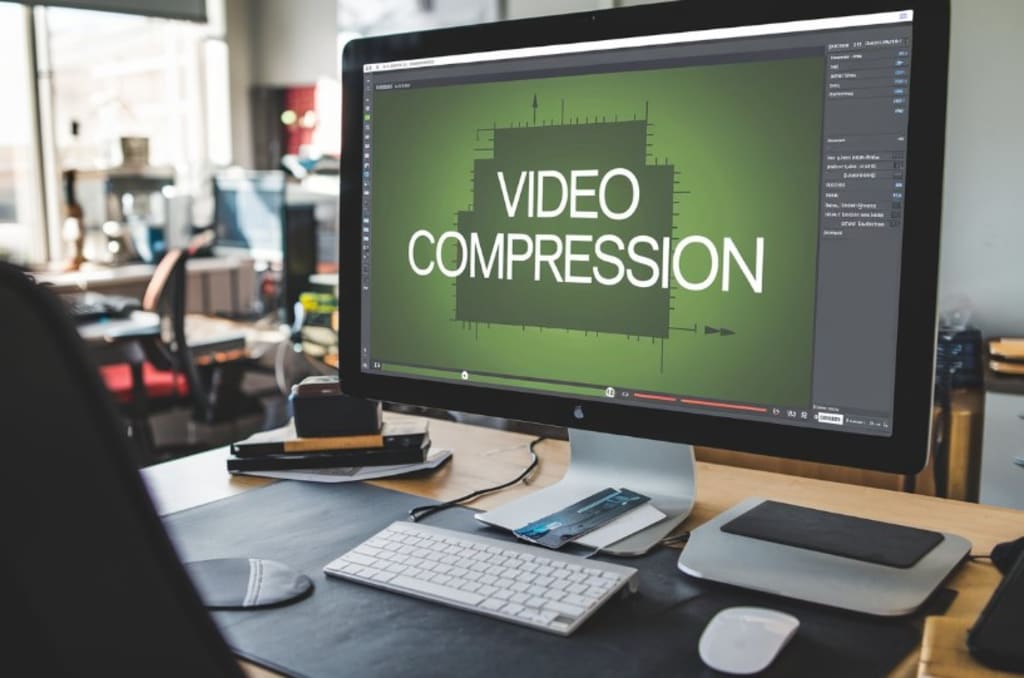
In this era of fast digital development, video content has emerged as the main medium of communication and entertainment. From high-definition movies to real-time video conferencing, the demand for video streaming is increasing tremendously. However, this growing hunger for video material has a tremendous environmental cost. Data centers, which store, process, and transport video material, are among the most energy-intensive sectors of the digital economy. This enormous energy usage generates significant carbon emissions, prompting questions about the IT industry's sustainability.
One of the most promising methods to reducing this environmental impact is video compression technology. Advanced compression technologies allow for more effective use of bandwidth and energy resources by lowering the size of video files while maintaining quality. Modern codecs such as H.265/HEVC, AV1, and the next-generation VVC (H.266) are intended to improve video transmission while reducing environmental impact.
Digital Video Comsumption in the Modern Era

Digital video consumption has skyrocketed in recent years, thanks to ubiquitous high-speed internet access, low-cost streaming platforms, and a growing demand for immersive visual content. According to current figures, video streaming accounts for more than 80% of worldwide internet traffic, and this percentage is anticipated to climb as new technologies such as 4K, 8K, and virtual reality (VR) content become more popular. Platforms such as YouTube, Netflix, and TikTok have transformed how consumers consume media, with billions of hours of video seen everyday across the world.
The tremendous increase in video consumption presents both benefits and difficulties. On the one hand, the accessibility and variety of video content empower individuals and companies by facilitating education, entertainment, and worldwide connection. On the other side, the infrastructure needed to meet this demand has a major environmental impact.
High-quality video formats, such as Ultra High Definition (UHD) and 8K, need significant bandwidth and storage capacity. For example, streaming a two-hour 4K movie requires around 7 gigabytes of data, as opposed to 700 MB for standard-definition versions. As millions of users stream at the same time, data centers, which are already among the world's greatest energy consumers, under enormous pressure to effectively process and transfer these files.
Furthermore, the move to mobile video consumption has increased the demand on cellular networks. Mobile streaming accounts for more than half of all internet video use, which increases the energy demands on cellular towers and network infrastructure. This trend emphasizes the critical need for technology advancements that can balance rising demand for high-quality video with environmental sustainability.
In this context, video compression technology emerges as a critical enabler, allowing the industry to satisfy customer expectations while minimizing the environmental effect of video streaming. Modern compression algorithms pave the way for a more sustainable future of digital video consumption by reducing file sizes and streamlining data transmission.
Video Compression Technology as a Solution

As digital video consumption continues to surge, the need for efficient data management has never been more critical. Video compression technology plays a pivotal role in addressing this challenge by significantly reducing file sizes while preserving the quality of the content. This optimization not only lowers bandwidth requirements but also reduces the energy consumed during video storage and transmission, making it a key solution for achieving sustainability in the digital era.
Evolution of Video Codecs
Video compression has evolved considerably over the years, with each new generation of codecs offering improved efficiency. Legacy codecs such as H.264/AVC were instrumental in enabling widespread adoption of HD video, while more advanced codecs like H.265/HEVC (High-Efficiency Video Coding) and AV1 (AOMedia Video 1) have pushed the boundaries of 4K and 8K streaming. These modern codecs leverage sophisticated algorithms, such as motion prediction and entropy coding, to achieve higher compression ratios without noticeable loss of quality.
The most recent innovation, VVC (Versatile Video Coding), also known as H.266, represents a leap forward in video compression. It achieves up to 50% better compression efficiency than its predecessor, H.265, enabling ultra-high-definition video streaming at nearly half the bandwidth. This efficiency is particularly beneficial for high-resolution formats and emerging technologies like 360-degree videos and virtual reality.
AI-Driven Innovations in Compression
Artificial intelligence (AI) is revolutionizing the field of video compression by enabling more intelligent and adaptive techniques. Machine learning models are now being used to predict redundant frames, enhance image reconstruction, and optimize bitrate allocation. AI-driven compression algorithms can analyze content characteristics in real-time, applying customized compression settings to different parts of a video, further reducing file sizes without sacrificing quality.
Real-World Applications of Video Compression

The impact of video compression extends across multiple domains:
- Streaming Platforms: Services like Netflix, YouTube, and Amazon Prime Video use advanced codecs to deliver high-quality content to millions of users worldwide, ensuring seamless playback even on low-bandwidth networks.
- Video Conferencing: Tools like Zoom and Microsoft Teams rely on real-time compression to support smooth, low-latency communication, particularly during high-demand periods.
- Mobile Applications: Compression technology enables efficient video streaming on mobile networks, reducing data usage and battery consumption for users.
- Edge Computing and IoT: In applications like surveillance and autonomous vehicles, video compression allows devices to transmit high-quality footage while conserving bandwidth and energy.
A Pathway to Sustainability

By reducing the amount of data that needs to be transmitted and stored, video compression directly contributes to lower energy consumption in data centers and network infrastructure. This reduction not only cuts operational costs for service providers but also mitigates the environmental impact of video delivery. Moreover, the adoption of newer codecs and AI-driven technologies ensures that the industry can keep pace with the growing demand for video content while maintaining a focus on sustainability.
In summary, video compression technology serves as an indispensable tool in the quest to balance the increasing demand for high-quality video with the urgent need to reduce the environmental footprint of digital media consumption.
Positive Impact of Video Compression on Sustainability
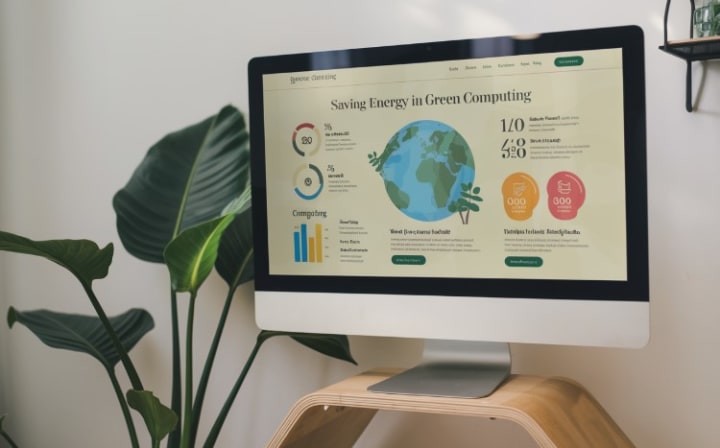
Video compression technology is a powerful tool in reducing the environmental footprint of the rapidly expanding digital video ecosystem. By enabling more efficient use of data and energy, it addresses several sustainability challenges associated with video storage, transmission, and playback. Below are the key positive impacts of video compression technology on sustainability:
1. Bandwidth Efficiency . One of the primary benefits of video compression is the significant reduction in bandwidth required for video streaming. Advanced codecs like H.265 (HEVC) and AV1 achieve up to 50% better compression than older codecs, allowing high-quality videos to be transmitted with less data. This reduction alleviates the strain on global network infrastructure, reducing the need for frequent upgrades to handle increased data traffic. Example: A two-hour 4K video compressed with H.265 requires approximately 50% less bandwidth compared to H.264, enabling smooth streaming even on slower connections.
2. Energy Savings in Data Centers . Data centers, the backbone of digital video services, consume massive amounts of energy for storage, processing, and transmission. By decreasing video file sizes, compression reduces the storage requirements and computational workload in data centers, leading to significant energy savings. Impact: According to studies, reducing video file sizes by just 10% across global platforms could save billions of kilowatt-hours annually, directly lowering greenhouse gas emissions.
3. Lower Emissions from Transmission Networks. Smaller video files reduce the energy required for data transmission across networks. This impact is particularly significant in mobile networks, where energy consumption per bit is higher compared to fixed networks. Efficient compression enables the delivery of high-definition content with minimal energy use, thereby decreasing carbon emissions. Case Study: Streaming platforms that adopt efficient codecs can achieve substantial reductions in their carbon footprints. For instance, Netflix reported significant energy savings after transitioning to AV1 for select video streams.
4. Accessibility and Inclusivity. By optimizing video delivery over limited bandwidth, compression technology improves accessibility to high-quality video content in regions with poor internet infrastructure. This inclusivity fosters digital equity without imposing additional environmental costs. Example: In rural areas with limited connectivity, compressed videos can ensure seamless access to educational and informational content while reducing network strain.
5. Extended Device Lifespan. Smaller video file sizes mean reduced processing power is required for playback, leading to lower energy consumption on end-user devices such as smartphones, laptops, and TVs. This efficiency not only improves battery life but also reduces the thermal stress on hardware, potentially extending device longevity and reducing electronic waste.
6. Enabling Green Innovations. Video compression technologies are a critical enabler for sustainable innovations such as smart cities, telemedicine, and remote work. These applications rely heavily on real-time video transmission but must operate efficiently to minimize energy consumption and environmental impact.
Opportunities

Emerging technologies
The combination of video compression with cutting-edge technologies like edge computing, 5G, and AI opens up new avenues for real-time, high-quality video distribution with low latency.
For example, AI-driven adaptive streaming may dynamically improve compression settings based on network circumstances, increasing efficiency.
Collaboration
Collaboration among technology businesses, academic researchers, and governments can speed the adoption of sustainable video compression technologies. Collaborative efforts can also serve to set uniform standards, minimizing market fragmentation. Potential Impact: Standardizing codecs such as AV1 across key platforms might result in significant worldwide energy savings.
Focus on Green Innovation

The quest for ecologically sensitive practices creates an opportunity to link video compression breakthroughs to global sustainability goals. Companies that focus eco-friendly solutions can obtain a competitive edge while also contributing to overall environmental goals. Initiatives : Streaming platforms should promote the use of efficient codecs as part of their commitment to lowering carbon footprints.
Increased accessibility
As compression technologies advance, high-quality video information will become more accessible in low-bandwidth places. This inclusion promotes digital fairness by improving education, healthcare, and communication in underprivileged communities.
Support from Policymakers
Governments and international organizations are progressively promoting green technology adoption via grants, subsidies, and laws. This assistance might speed up the development and implementation of next-generation video compression methods. For example, policies supporting sustainable data habits may spur innovation in compression methods.
Conclusion
Video compression technology has developed as a defining feature of the modern digital era, combining the rising demand for high-quality video information with the critical requirement for environmental sustainability. Advanced compression technologies reduce file sizes and optimize data transfer, putting less burden on bandwidth, data centers, and energy resources, resulting in reduced carbon emissions and a more sustainable digital infrastructure.
Video compression has several advantages, including allowing for seamless streaming over resource-constrained networks and aiding new applications such as virtual reality and edge computing. It bridges the gap between technical innovation and environmental responsibility, making it an essential instrument in the worldwide fight against climate change.
However, achieving the full potential of video compression necessitates overcoming obstacles such as codec acceptance, computational complexity, and market fragmentation. Collaboration among business leaders, researchers, and politicians is critical to overcoming these hurdles and driving wider adoption of efficient, environmentally friendly solutions.
As we look ahead, the convergence of video compression technologies, AI, 5G, and sustainable innovation offers unprecedented prospects for change. By embracing these improvements, the video technology sector can continue to provide rich, immersive experiences while ensuring that its expansion is consistent with global sustainability objectives.
Finally, video compression is more than simply a technological solution; it is a step toward a more sustainable, fair digital future. By prioritizing efficiency and sustainability, we can satisfy the needs of the digital age while also protecting the world for future generations.
About the Creator
Keep reading
More stories from Ade Bastian and writers in Futurism and other communities.
Artificial Superintelligence (AS)
In the ongoing narrative of human advancement, the notion of machines surpassing human intellect has long oscillated between awe and anxiety. Yet today, we stand on the precipice of such a possibility—Artificial Superintelligence (AS), a form of intelligence that would eclipse not just narrow human tasks but the totality of our cognitive capabilities. As we navigate this frontier, the critical question is not just whether AS will emerge, but how we choose to shape it, and in doing so, how it may reshape us.
By Ade Bastian9 months ago in Futurism
About Binding Prometheus
I want to start actively advocating on behalf of my own work, and the most valuable part of my canon is, without a doubt, Binding Prometheus, the play I have been working on since 2019 and only finished in 2023 as part of my MA. The play itself is an amalgamation of a million different inspirations. On one end, it evokes the Ancient Greek myth-play, deriving its own title from the earliest extant work of Western drama we have, Aeschylus’s Prometheus Bound. On the other end, it borrows significantly from the sci-fi bulwarks from over the years, namely Mary Shelley’s Frankenstein and Karel Capek’s Rossum’s Universal Robots. The play could be an episode of Black Mirror, I fear. I don’t know. I’ve only ever seen one episode of Black Mirror.
By Steven Christopher McKnight15 days ago in Futurism
Biodegradable Cutlery Market: Eco-Friendly Utensils, Sustainable Materials & Zero-Waste Trends
According to IMARC Group's latest research publication, global biodegradable cutlery market size reached USD 46.9 Million in 2024. Looking forward, IMARC Group expects the market to reach USD 69.3 Million by 2033, exhibiting a growth rate (CAGR) of 3.98% during 2025-2033.
By sujeet. imarcgroup7 days ago in Futurism




Comments
There are no comments for this story
Be the first to respond and start the conversation.