
United States Cheese Market Set to Surpass US$ 53.66 Billion by 2033 — A Blend of Tradition, Taste, and Innovation
With the growing appetite for specialty, organic, and plant-based cheeses, the U.S. cheese industry is maturing into one of the most dynamic segments of the food sector.

United States Cheese Market Size and Forecast (2025–2033)
According to Renub Research, the United States cheese market, valued at US$ 39.51 billion in 2024, is projected to reach US$ 53.66 billion by 2033, growing at a CAGR of 3.46% from 2025 to 2033. This steady expansion reflects America’s enduring love for cheese—paired with evolving consumer preferences for premium, healthy, and sustainable options.
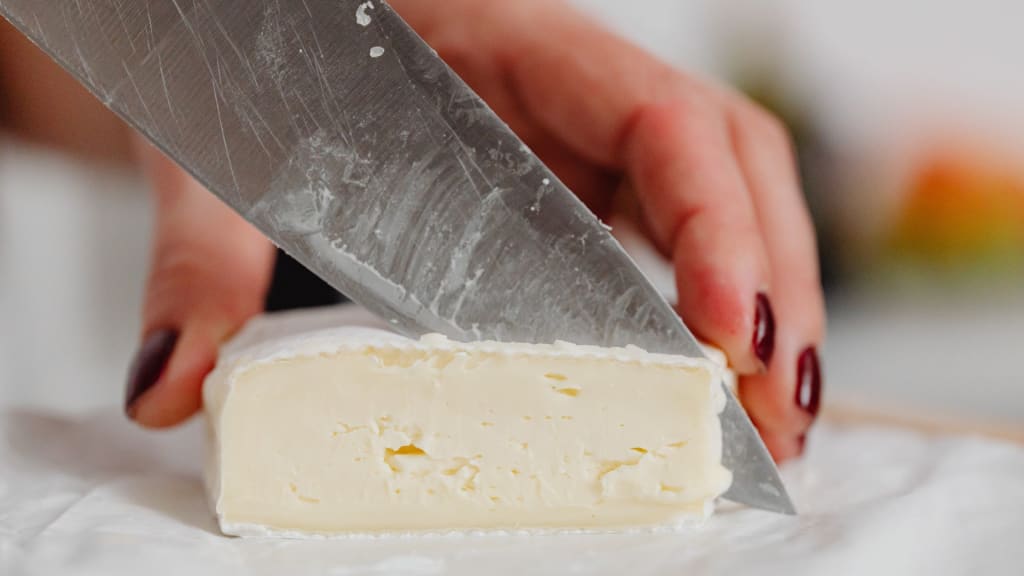
From the familiar slice of cheddar on a burger to artisanal brie on a charcuterie board, cheese continues to define American culinary culture. However, the market’s evolution is not just about indulgence—it’s about innovation, health consciousness, and environmental responsibility.
🇺🇸 United States Cheese Market Overview
Cheese, a timeless dairy delight, is made by curdling milk to separate curds from whey. It comes in many varieties—cheddar, mozzarella, parmesan, brie, ricotta, cream cheese, and more—each known for its distinctive flavor, texture, and culinary purpose.
In the United States, cheese transcends traditional cuisine. It’s a staple in fast food (think cheeseburgers, pizzas, tacos), comfort foods like macaroni and cheese or casseroles, and gourmet dishes served in upscale restaurants.
Moreover, with the modern consumer’s shift toward wellness and sustainability, the market is witnessing a remarkable rise in organic and plant-based cheese alternatives. This transition highlights an evolving dairy landscape—one that blends the old-world art of cheese-making with cutting-edge food innovation.
⚠️ Challenges Facing the U.S. Cheese Market
1. Health and Lifestyle-Driven Dietary Shifts
As Americans grow more health-conscious, traditional cheese consumption faces headwinds. Many consumers are moderating their intake due to high fat, sodium, and calorie levels in conventional cheese, which have been linked to obesity and cardiovascular diseases.
Additionally, the growing prevalence of lactose intolerance and dairy-free diets has accelerated the shift toward plant-based alternatives. This shift challenges legacy dairy brands but opens the door for innovative product development.
To stay relevant, manufacturers are investing heavily in research and product reformulation—introducing low-fat, reduced-sodium, and dairy-free cheese varieties that maintain flavor and texture without compromising health.
2. Environmental and Sustainability Pressures
Cheese production is notoriously resource-intensive, involving significant water use, methane emissions, and land dependency. Dairy farming contributes to greenhouse gas emissions, making sustainability a pressing issue for both regulators and consumers.
As environmental awareness grows, cheese producers face increasing demands to:
Lower their carbon footprint
Ensure ethical animal welfare practices
Adopt eco-friendly packaging
Meeting these demands raises operational costs—especially for smaller farms—but is crucial for maintaining consumer trust. Brands that engage in transparent sustainability reporting and green manufacturing are gaining an edge in the marketplace.
🧩 Segment Insights
By Type
Animal-Based Cheese:
Still the dominant segment, representing traditional cheese made from cow, goat, or sheep milk. Continued consumer preference for taste and familiarity keeps this category strong, though it faces mounting competition from vegan alternatives.
Plant-Based Cheese:
Once niche, now mainstream. Made from nuts, soy, oats, and other plant ingredients, this segment is growing rapidly as consumers seek dairy-free and eco-friendly options. Big players like Arla Foods and The Kraft Heinz Company are diversifying their portfolios with vegan cheese lines.
By Product Type
Mozzarella:
The U.S. mozzarella cheese market is surging due to its lower fat content and wide use in pizzas, sandwiches, and snacks. Often preferred by health-conscious buyers, it leads the way in innovation, with low-sodium and reduced-fat varieties gaining traction.
Notably, Lifeway’s Farmer Cheese won Good Housekeeping’s Best Snack Award in April 2024, underscoring the rising trend toward functional and snackable cheeses.
Cheddar:
A staple of American diets, cheddar remains the backbone of the cheese industry. Its versatility—from burgers to sauces—ensures consistent demand, particularly in processed and fast-food applications.
Parmesan:
Popular in gourmet and Italian cuisines, parmesan’s long shelf life and umami-rich flavor make it a favorite among culinary professionals and home cooks alike.
Ricotta:
With the rise in home cooking and baking, ricotta is finding renewed popularity in desserts and pasta dishes.
Cream Cheese:
Driven by the booming bakery and breakfast market, cream cheese continues to enjoy strong retail sales, especially in flavored and spreadable forms.
Others (Gouda, Blue Cheese, Feta, etc.):
Specialty and imported cheeses are flourishing as consumers explore premium and artisanal varieties, fueled by the “foodie culture” trend across the U.S.
By Distribution Channel
Hypermarkets & Supermarkets:
Still the largest sales channel, driven by brand visibility and convenience. Stores like Walmart, Kroger, and Costco dominate cheese retailing with wide product assortments.
Convenience Stores:
These stores are increasingly stocking smaller packs of cheese snacks, catering to on-the-go consumers.
Online Retail:
The fastest-growing channel—especially post-pandemic. Subscription-based cheese boxes, direct-to-consumer delivery, and artisanal e-commerce platforms have revolutionized cheese retailing.
Others (Specialty Stores, Food Service, etc.):
Gourmet cheese shops and restaurant chains contribute significantly to premium and bulk cheese sales, reinforcing the diverse nature of the U.S. cheese ecosystem.
🧀 Mozzarella: The Star Performer
Mozzarella stands out as the fastest-growing cheese type in the U.S. market. Known for its lighter nutritional profile, mozzarella resonates with health-aware consumers. It’s integral to ready-to-eat (RTE) products, snack innovations, and foodservice menus.
The rise of quick-service restaurants (QSRs), convenience foods, and pizza consumption further fuels mozzarella demand. American manufacturers are expanding production capacity and experimenting with functional mozzarella variants enriched with probiotics and vitamins.
This transformation reflects a broader shift in the U.S. cheese market—from indulgence to nutrition-integrated enjoyment.
🏭 Leading Companies in the U.S. Cheese Market
1. Land O’Lakes
Overview: A leading American dairy cooperative producing cheese, butter, and related dairy goods.
Recent Development: Focused on expanding sustainable dairy production with traceable supply chains.
Revenue: Strong growth due to diversification and technological advancement in cheese production.
2. Saputo Inc.
Overview: Canadian multinational with a strong U.S. footprint in mozzarella, cheddar, and specialty cheese.
Recent Development: Investments in low-fat cheese lines and eco-efficient processing plants.
3. Arla Foods amba
Overview: Danish cooperative emphasizing organic and sustainable dairy products.
Recent Development: Expansion of plant-based cheese options in North American markets.
4. The Kraft Heinz Company
Overview: One of the oldest and most recognized cheese brands in the U.S.
Recent Development: Diversifying into clean-label, reduced-sodium cheese products.
5. Royal FrieslandCampina N.V.
Overview: Global dairy giant with growing U.S. exports of specialty cheese.
Recent Development: Partnering with local suppliers to ensure sustainable milk sourcing.
6. Glanbia Plc
Overview: Irish company producing nutritional cheese products.
Recent Development: Strategic collaborations to enhance U.S. market reach in functional cheese.
7. Savencia Fromage & Dairy
Overview: Renowned for premium cheese brands such as Alouette and Saint Agur.
Recent Development: Focused on expanding its artisan and gourmet cheese portfolio for American consumers.
🌱 The Future of the U.S. Cheese Market: Innovation Meets Sustainability
The American cheese industry stands at a crossroads between tradition and transformation. On one hand, cheese remains a symbol of culinary comfort; on the other, it’s being redefined by technological innovation, health-focused reformulation, and environmental accountability.
Emerging trends shaping the market include:
Hybrid cheeses (blending dairy and plant-based proteins)
Functional cheeses fortified with probiotics, vitamins, and minerals
Traceable, farm-to-fork supply chains ensuring transparency
Smart packaging to extend shelf life and reduce waste
🧩 Key Questions Addressed
What is the projected market size of the U.S. cheese industry by 2033?
Which factors are driving growth in the U.S. cheese market?
How is health consciousness influencing cheese consumption patterns?
What are the leading challenges facing cheese manufacturers in the U.S.?
Which cheese type—mozzarella, cheddar, or cream cheese—dominates the market?
How are sustainability and environmental issues shaping dairy production?
Which distribution channel is expected to witness the fastest growth?
What are the latest innovations in the plant-based cheese sector?
Which companies are leading the U.S. cheese market landscape?
How are consumer preferences redefining the future of cheese in America?
🧀 Final Thoughts
The United States cheese market is more than just a story of growth—it’s a story of reinvention. With Americans balancing indulgence and health, and with sustainability taking center stage, the industry is charting a bold new course.
From artisanal craftsmanship to scientific innovation, the future of cheese in America promises to be as diverse, flavorful, and dynamic as the country itself.
Source: Renub Research – United States Cheese Market Size, Share, and Forecast (2025–2033)
About the Creator
Sushant. Renub Research
I’m Sushanta Halder, Digital Marketing Manager at Renub Research with 15+ years in SEO, content, PPC & lead generation. Passionate about data-driven growth strategies.
Keep reading
More stories from Sushant. Renub Research and writers in Futurism and other communities.
United States Lawn Mowers Market Size and Forecast 2025–2033
The United States Lawn Mowers Market is projected to reach US$ 15.91 billion by 2033, growing from US$ 9.64 billion in 2024, at a CAGR of 5.73% (2025–2033), according to Renub Research. This robust growth reflects Americans’ increasing passion for well-maintained outdoor spaces, sustainable living, and advanced lawn care technologies.
By Sushant. Renub Research2 months ago in Futurism
About Binding Prometheus
I want to start actively advocating on behalf of my own work, and the most valuable part of my canon is, without a doubt, Binding Prometheus, the play I have been working on since 2019 and only finished in 2023 as part of my MA. The play itself is an amalgamation of a million different inspirations. On one end, it evokes the Ancient Greek myth-play, deriving its own title from the earliest extant work of Western drama we have, Aeschylus’s Prometheus Bound. On the other end, it borrows significantly from the sci-fi bulwarks from over the years, namely Mary Shelley’s Frankenstein and Karel Capek’s Rossum’s Universal Robots. The play could be an episode of Black Mirror, I fear. I don’t know. I’ve only ever seen one episode of Black Mirror.
By Steven Christopher McKnight11 days ago in Futurism
Rubidium Market: Technology Adoption, Demand Drivers & Industry Trends
According to IMARC Group's latest research publication, global rubidium market size reached 3.0 Kilo Tons in 2024. Looking forward, IMARC Group expects the market to reach 4.0 Kilo Tons by 2033, exhibiting a growth rate of 3.15% during the forecast period.
By Andrew Sullivan4 days ago in Futurism
'20/20'
"Do It Again" the track that would ultimately open the Beach Boys final album on Capitol Records which was released on February 10th 1969 had originally been released as a single in August of 1968. The track was the first of many post-Pet Sounds era throwbacks to the early Beach Boys sound which would become continually more cliched and eventually lead the Beach Boys to the level of self-parody they would eventually succumb to in the 1980s while their closest contemporaries The Beatles nearing the end of their run in 1969 would go on to be viewed as the most influential band of all time. However, the song itself is not bad on its surface, and it opens with a futuristic sounding (for 1969) drumbeat captured by then-Beach Boys engineer Stephen Desper using tape delays on the drums performed by Dennis Wilson and John Guerin. The song has been re-recorded numerous times over the years on various Beach Boys-related projects most notably the 2011 re-recording at Capitol studios featuring the five surviving Beach Boys at the time backed instrumentally by various members of both the Brian Wilson Band and Mike Loves touring "Beach Boys" to promote the then upcoming Beach Boys 50th Anniversary reunion tour in 2012. The hammering and power drill sound at the end of the song was an excerpt from a track called "Workshop" that was to be a part of the uncompleted "SMiLE" album.
By Sean Callaghan6 days ago in Beat




Comments
There are no comments for this story
Be the first to respond and start the conversation.