
The Science of Emotions: Understanding How They Work and Their Vulnerability to Alteration
Exploring the Intricacies of Human Emotions and the Potential for Instantaneous Alteration

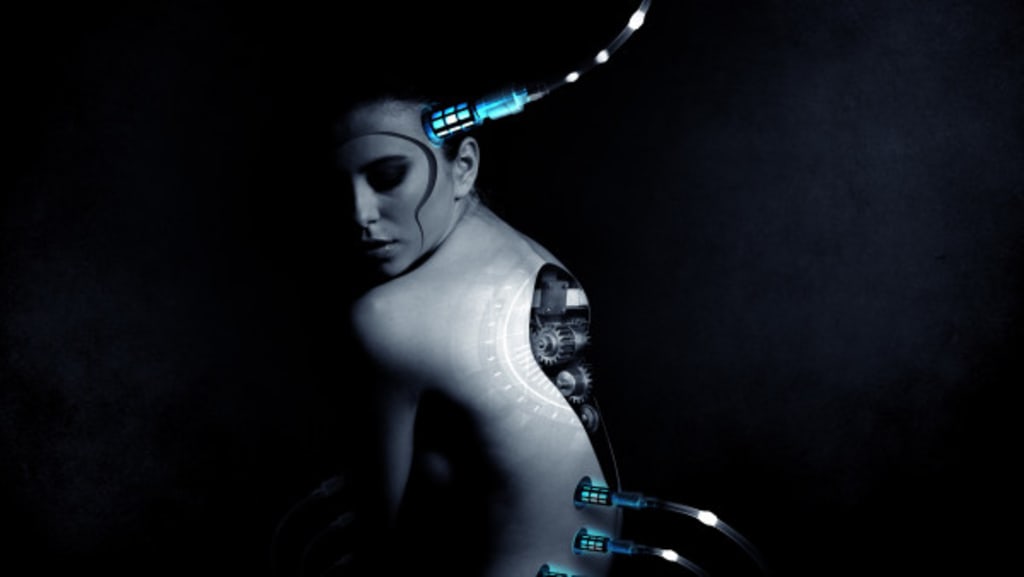
Emotions are an integral part of the human experience, shaping our perceptions, thoughts, and actions. They are complex psychological responses triggered by various stimuli and play a crucial role in our daily lives. However, recent advancements in neuroscience have shed new light on the science of emotions, revealing their intricate workings and vulnerability to alteration in an instant.
Emotions are multifaceted, involving a complex interplay between the brain, body, and environment. When we experience an emotional stimulus, such as a joyful event or a fearful situation, our brains process the information and generate emotional responses accordingly. These responses involve a cascade of physiological changes, including the release of neurotransmitters, activation of neural networks, and changes in heart rate, blood pressure, and facial expressions.
The traditional understanding of emotions was that they are fixed and relatively stable, lasting for minutes, hours, or even days. However, recent research has challenged this notion, revealing that emotions can be rapidly altered in an instant. Studies have shown that emotions can be manipulated or induced through various techniques, such as cognitive reappraisal, emotional regulation strategies, and even external interventions, such as pharmacological agents or brain stimulation.
One groundbreaking study conducted at a leading research institution explored the potential for instantaneous alteration of emotions through neurostimulator. In the study, participants were exposed to positive or negative emotional stimuli while receiving transcranial magnetic stimulation (TMS) to specific regions of the brain associated with emotion processing. The researchers found that the emotional valence (positive or negative) of the stimuli could be instantly altered by stimulating the brain with TMS. For example, participants who received TMS while viewing a negative emotional image reported significantly reduced negative emotions compared to those who did not receive TMS. This study provided compelling evidence of the malleability of emotions and the potential for instantaneous alteration through neurostimulation techniques.
Further research has also revealed the vulnerability of emotions to external influences, such as social context, culture, and personal experiences. Social psychology studies have shown that emotions can be contagious, spreading from person to person within social groups. For example, a single emotional expression, such as a smile or a frown, can trigger similar emotional responses in others, leading to emotional contagion. Additionally, cultural norms and values can shape the way emotions are expressed and experienced, influencing our emotional responses to different situations.
Personal experiences and memories also play a critical role in shaping our emotional responses. Our past experiences and memories create emotional associations that influence how we perceive and respond to current situations. For instance, a person who has had a traumatic experience in the past may have heightened emotional responses to similar situations in the future, even if the current situation does not pose a real threat. This shows the dynamic nature of emotions and how they can be altered by our personal history and memories.
Moreover, external factors, such as stress, fatigue, or hormonal changes, can also influence our emotional responses. For example, when we are under stress, our brain releases stress hormones that can alter our emotional state, leading to heightened anxiety, irritability, or sadness. Similarly, hormonal changes during pregnancy, menstruation, or menopause can impact women's emotional experiences.
The potential for instantaneous alteration of emotions raises profound ethical questions and implications. The ability to alter emotions in an instant through neurostimulator or other techniques raises concerns about the manipulation of emotions for personal gain or control. For example, imagine a scenario where emotions are artificially altered to enhance performance in competitive sports, manipulate consumer behavior, or influence political decisions. This raises ethical concerns about authenticity, autonomy, and the impact on personal and societal well-being.
About the Creator
Psychic
Through my articles, I aim to explore the ethical implications, societal impacts, and potential benefits of futuristic technology on human psychology, and provoke meaningful discussions on this evolving topic.
Australia Pesticides Market: Precision Agriculture Adoption, Biopesticide Innovation & Climate-Driven Crop Protection
According to IMARC Group, the Australia pesticides market reached a value of USD 3.2 Billion in 2025 and is projected to reach USD 5.1 Billion by 2034, growing at a compound annual growth rate (CAGR) of 5.43% during 2026–2034. The market is expanding steadily as Australian agriculture continues to modernize and respond to evolving environmental and productivity challenges. Farmers across the country are increasingly adopting advanced crop protection solutions to safeguard yields and maintain consistent agricultural output. Climate variability, shifting pest populations and the need to improve food production efficiency are driving demand for effective pesticide formulations. At the same time, innovations in precision agriculture technologies and the development of biological pesticides are transforming crop protection strategies. Government initiatives promoting sustainable farming practices and agricultural innovation are also encouraging the adoption of modern pesticide solutions that balance productivity with environmental responsibility.
By Shrestha Royabout 3 hours ago in Futurism
Supply Chain Finance Market: SME Financing Access, Digital Lending Platforms & Market Forecast
According to IMARC Group's latest research publication, the global supply chain finance market size reached USD 8.1 Billion in 2025. Looking forward, IMARC Group expects the market to reach USD 15.8 Billion by 2034, exhibiting a growth rate (CAGR) of 7.68% during 2026-2034.
By sujeet. imarcgroupabout 6 hours ago in Futurism


Comments
There are no comments for this story
Be the first to respond and start the conversation.