
NeuroTech: The Future of Mind Control
Exploring the Ethical Dilemmas and Possibilities of Futuristic Technology Manipulating Human Psychology

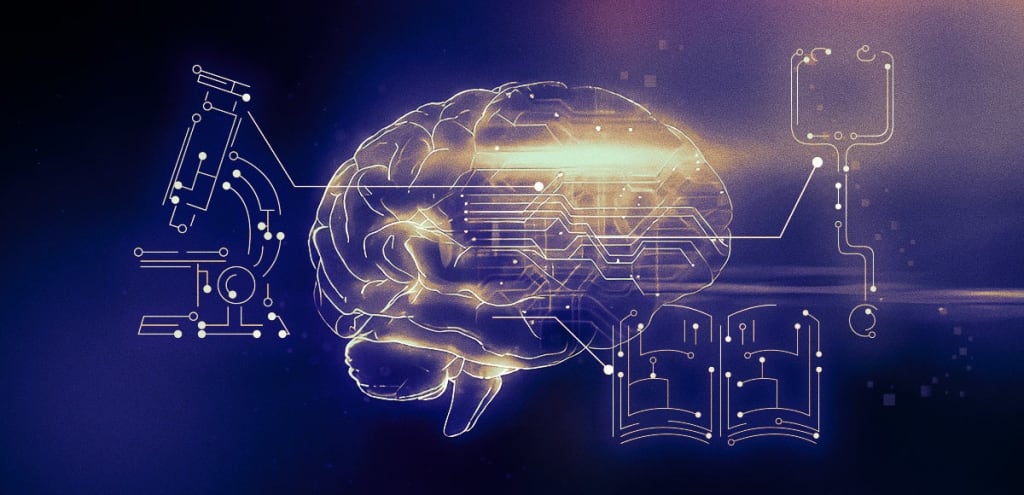
As the world embraced advancements in futuristic technology, the field of neurotechnology made significant strides. The ability to control human psychology and behavior through cutting-edge technologies like artificial intelligence and brain-computer interfaces became a reality. However, with great power comes great ethical dilemmas. In this story, we delve into the potentials and ethical complexities of neurotech, exploring its impact on human psychology and the society of tomorrow.
Imagine a world where emotions and thoughts can be engineered, and behaviors can be manipulated with precision. Neurotech, a groundbreaking field, has made significant progress in unlocking the intricacies of the human brain. With advanced brain-computer interfaces, neuroscientists and engineers are now able to tap into the brain's neural networks, analyze data, and even control human behavior.
In the not-too-distant future, neurotech has become a ubiquitous part of everyday life. Neuro-enhancements are common, with people augmenting their cognitive abilities, memory, and emotions. Corporations leverage neurotech to create personalized advertisements that target individual desires with uncanny accuracy. Governments use neurotech for surveillance and mind-controlled security measures. However, as neurotech continues to advance, ethical concerns loom large.
The use of neurotech raises complex ethical questions. Who has the right to control and manipulate the human mind? Is it ethical to alter emotions and thoughts artificially? What are the implications for privacy and consent in a world where thoughts can be monitored and controlled? These questions have sparked intense debates among policymakers, ethicists, and the general public.
As neurotech advances, the risks of mind control become more pronounced. The ability to manipulate thoughts, emotions, and behaviors raises ethical red flags, especially when in the hands of governments or powerful entities. The potential for surveillance and coercion is alarming, as individuals may lose their autonomy and privacy. The misuse of neurotech has significant implications for individual freedom and human rights, as it can be exploited to control and manipulate individuals against their will, leading to potential abuse of power and violation of basic human rights. It is crucial for ethical guidelines and regulations to be in place to prevent such misuse and safeguard the fundamental rights of individuals in the era of neurotech.
The implications of mind control through neurotech also extend to questions of personal identity and authenticity. If thoughts, emotions, and behaviors can be manipulated or controlled through external technological interventions, the concept of free will and individual agency may be challenged. The very essence of being human, with unique thoughts, emotions, and experiences, could be altered, raising existential questions about what it means to be human in a world where neurotech can potentially control our psyche.
On the other hand, neurotech also offers immense possibilities. It has the potential to revolutionize mental health treatments, helping individuals with conditions like depression, anxiety, and PTSD. It could enhance human performance, enabling individuals to achieve peak cognitive and physical capabilities. Neurotech could also lead to breakthroughs in education, communication, and human-machine interactions, transforming various aspects of society.
As neurotech continues to evolve, it is crucial to strike a balance between its promises and ethical challenges. Strict regulations, transparency, and responsible use of neurotech are essential to ensure that the benefits are maximized while the risks are minimized. Safeguarding privacy, individual autonomy, and consent must be at the forefront of any developments in the field of neurotech.
In conclusion, neurotech presents a fascinating and complex landscape with far-reaching implications for human psychology and society. Its potential to control and manipulate human behavior raises significant ethical concerns, while also offering immense possibilities for enhancing human capabilities. As we navigate the uncharted waters of neurotech, we must strive for responsible and ethical development to ensure that it benefits humanity as a whole, shaping a future where the power of the mind is harnessed for the greater good.
About the Creator
Psychic
Through my articles, I aim to explore the ethical implications, societal impacts, and potential benefits of futuristic technology on human psychology, and provoke meaningful discussions on this evolving topic.
Australia Cement Market: Infrastructure Projects, Urban Construction & Green Building Materials
According to IMARC Group, the Australia cement market reached a value of USD 2.0 Billion in 2025 and is projected to reach USD 2.7 Billion by 2034, growing at a compound annual growth rate (CAGR) of 3.36% during 2026–2034. The market is expanding as construction activity continues to increase across infrastructure, residential and commercial development sectors. Urbanization and population growth are driving the need for new housing, transportation networks and public infrastructure projects. Government investments in roadways, bridges, rail systems and urban development programs are further strengthening cement demand. At the same time, the construction industry is increasingly focusing on sustainable building practices and environmentally responsible materials. Technological advancements in cement production, including energy-efficient manufacturing processes and low-carbon cement formulations, are also contributing to market growth while addressing environmental concerns associated with traditional cement production.
By Shrestha Royabout 18 hours ago in Futurism




Comments
There are no comments for this story
Be the first to respond and start the conversation.