
The Rise of Smart Cities: How Technology is Transforming Urban Living.
As technology advances, cities around the world are embracing innovation to create more efficient.

Introduction
As technology advances, cities around the world are embracing innovation to create more efficient, sustainable, and livable environments. Smart cities integrate cutting-edge technologies such as the Internet of Things (IoT), artificial intelligence (AI), and big data to improve infrastructure, reduce environmental impact, and enhance the quality of life for citizens.
In this article, we explore how smart cities are shaping the future, the key technologies driving this transformation, and the benefits they bring to society.
1. What is a Smart City?
A smart city is an urban area that leverages digital technology and data-driven solutions to optimize resources and services. These cities use interconnected systems to improve transportation, energy consumption, public safety, and environmental sustainability.
Key Features of a Smart City:
IoT Sensors & Connectivity – Devices collect and analyze real-time data to enhance decision-making.
AI & Automation – Smart algorithms optimize services like traffic management and waste disposal.
Sustainability Initiatives – Renewable energy, green buildings, and waste reduction programs.
Smart Governance – Digital platforms enable transparent, efficient governance and citizen engagement.
2. Smart Transportation Systems
One of the most visible aspects of smart cities is the transformation of urban mobility. With growing populations, cities are implementing intelligent transportation systems (ITS) to ease congestion and promote sustainable travel.
Key Technologies Driving Smart Transportation:
Autonomous Vehicles – Self-driving cars and buses reduce accidents and traffic congestion.
Smart Traffic Lights – AI-powered signals adjust based on real-time traffic conditions.
Public Transit Innovations – Contactless payment systems, real-time tracking apps, and on-demand shuttle services.
E-Mobility – Expansion of electric vehicle (EV) charging stations and bike-sharing programs.
✅ Example: Singapore’s smart traffic management system uses AI and sensors to reduce road congestion, leading to smoother traffic flow and lower emissions.
3. Sustainable Energy and Smart Grids
Energy efficiency is a crucial component of smart cities. Traditional energy grids are being replaced with smart grids that use digital monitoring to optimize energy use and integrate renewable sources.
Innovations in Smart Energy:
Renewable Energy Integration – Solar panels, wind turbines, and battery storage solutions.
AI-Powered Energy Distribution – Predictive analytics help distribute power efficiently.
Smart Buildings – IoT-enabled HVAC and lighting systems reduce energy consumption.
Decentralized Power Generation – Citizens and businesses generate and share excess energy through microgrids.
✅ Example: Copenhagen aims to become the first carbon-neutral city by 2025 by investing in wind energy, smart grids, and green transportation.
4. Advanced Waste Management and Water Conservation
Smart cities are using technology to tackle waste management and water conservation, ensuring a cleaner and more resource-efficient urban environment.
Smart Waste and Water Solutions:
Sensor-Based Waste Bins – Notify collection services when full, optimizing routes and reducing fuel consumption.
Automated Recycling Systems – AI-powered sorting for better recycling efficiency.
Smart Water Monitoring – Detect leaks and optimize water usage.
Desalination and Water Reuse – Cities invest in innovative ways to recycle and purify water.
✅ Example: South Korea’s smart waste bins in Seoul have reduced landfill waste by 30%, improving recycling rates and efficiency.
5. Digital Governance and Citizen Engagement
Smart cities are improving the way governments interact with residents, making public services more accessible and efficient.
Digital Governance Initiatives:
E-Government Platforms – Citizens can access services online, from paying taxes to applying for permits.
AI Chatbots – Provide instant assistance for government-related inquiries.
Blockchain for Transparency – Secure and decentralized record-keeping for public transactions.
Citizen Feedback Apps – Residents report issues like potholes or broken streetlights via mobile apps.
✅ Example: Barcelona implemented a digital governance system allowing citizens to participate in policymaking, improving engagement and satisfaction.
6. AI-Powered Public Safety and Surveillance
Safety is a priority for any city, and smart technologies are enhancing law enforcement and emergency response systems.
Smart Public Safety Innovations:
Facial Recognition & AI Surveillance – Identifies potential threats in real time.
Predictive Policing – AI analyzes crime patterns to deploy resources proactively.
IoT-Connected Emergency Response – Sensors detect accidents or gunshots, sending instant alerts to authorities.
Smart Street Lighting – Adaptive lighting reduces energy waste and enhances safety at night.
✅ Example: London uses AI-powered CCTV and predictive analytics to improve security while balancing privacy concerns.
7. Challenges of Smart Cities
While smart cities offer numerous benefits, they also present challenges that must be addressed.
Major Challenges:
Privacy and Data Security – Protecting citizens’ data from cyber threats and misuse.
High Initial Costs – Infrastructure investment can be expensive.
Digital Divide – Ensuring equal access to technology for all residents.
Ethical AI Usage – Preventing biased algorithms and surveillance overreach.
✅ Solution: Governments must implement strict cybersecurity measures, ethical AI policies, and inclusive digital access programs.
Conclusion
Smart cities represent the future of urban development, combining technology and sustainability to create more efficient, connected, and livable environments. While challenges exist, the potential benefits—reduced pollution, enhanced mobility, improved public services, and increased citizen engagement—make the shift towards smart cities an exciting and necessary transformation.
As we continue to embrace innovation, the question isn’t whether cities will become smarter, but how quickly we can implement these changes to improve the lives of millions. 🚀
About the Creator
About Binding Prometheus
I want to start actively advocating on behalf of my own work, and the most valuable part of my canon is, without a doubt, Binding Prometheus, the play I have been working on since 2019 and only finished in 2023 as part of my MA. The play itself is an amalgamation of a million different inspirations. On one end, it evokes the Ancient Greek myth-play, deriving its own title from the earliest extant work of Western drama we have, Aeschylus’s Prometheus Bound. On the other end, it borrows significantly from the sci-fi bulwarks from over the years, namely Mary Shelley’s Frankenstein and Karel Capek’s Rossum’s Universal Robots. The play could be an episode of Black Mirror, I fear. I don’t know. I’ve only ever seen one episode of Black Mirror.
By Steven Christopher McKnight28 days ago in Futurism
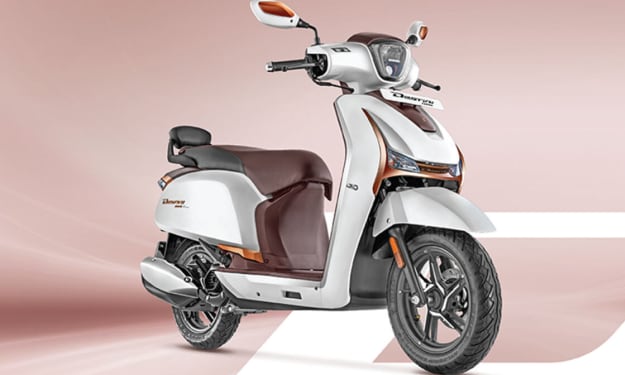
Two-Wheeler Market: Scooter & Motorcycle Demand, Lifestyle Shifts & Growth Outlook
Strong urbanization and rising personal mobility needs are driving the two-wheeler market. According to IMARC Group's latest research publication, global two-wheeler market size reached USD 138.6 Billion in 2024. Looking forward, IMARC Group expects the market to reach USD 245.9 Billion by 2033, exhibiting a growth rate (CAGR) of 6.25% during 2025-2033.
By sujeet. imarcgroup8 days ago in Futurism



Comments
There are no comments for this story
Be the first to respond and start the conversation.