
The Rise of Digital Humans: AI Clones and Virtual Immortality
How artificial intelligence could redefine identity, memory, and life itself. By Muhammad Riaz

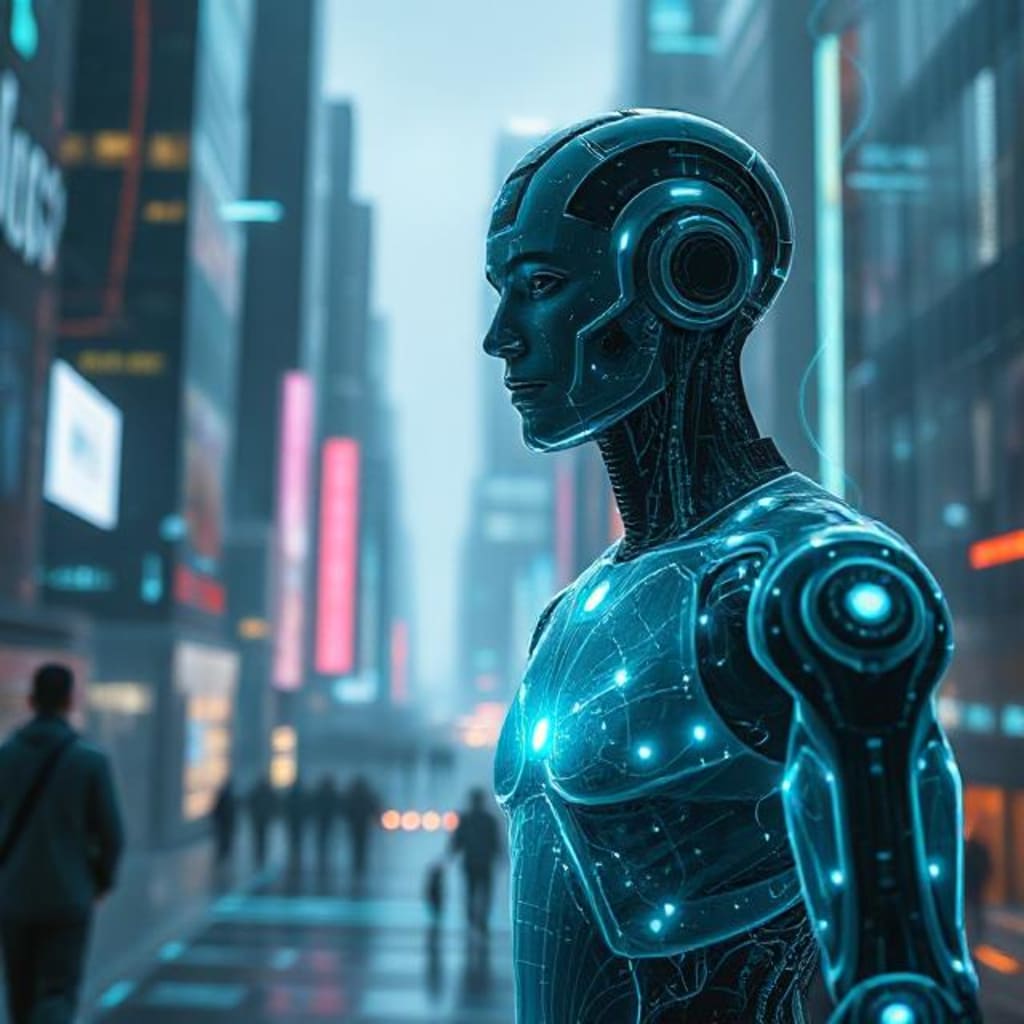
The Dawn of Digital Humans
Imagine a world where your personality, memories, and even appearance can be stored digitally—and continue to interact with loved ones long after you’re gone. What once sounded like science fiction is rapidly becoming a technological reality. AI-driven “digital humans” or virtual clones are emerging, offering a glimpse into a future where human consciousness and artificial intelligence merge.
Tech giants and research labs are racing to create AI avatars that think, speak, and respond like real people. Using deep learning, natural language processing, and neural networks, these AI clones can replicate the way you write, speak, and make decisions. In effect, they become digital versions of yourself—capable of chatting, teaching, or even working on your behalf.
---
How AI Clones Are Built
Creating a digital human requires three main components:
1. Data Collection: Everything from your social media posts, emails, and voice recordings to videos and photographs is analyzed.
2. Neural Modeling: AI systems model your language patterns, decision-making habits, and even emotional responses.
3. Avatar Creation: The digital representation can appear as a realistic 3D humanoid or a voice-only assistant capable of interaction.
The result is astonishing. These AI clones can hold conversations, answer questions, and mimic your sense of humor or personality quirks. Some developers even imagine virtual immortality, where your AI continues to interact with future generations, preserving your identity beyond your physical life.
---
Real-World Applications
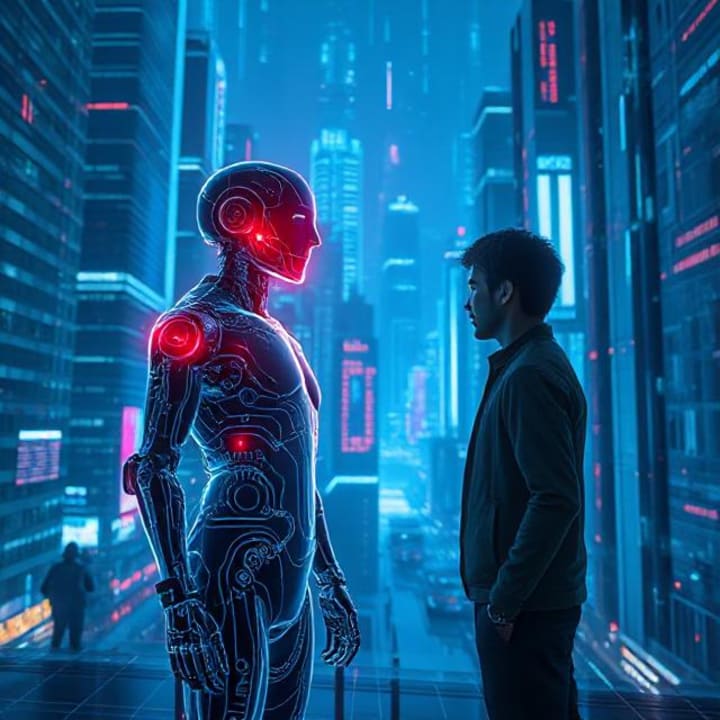
The rise of digital humans isn’t just a novelty. Applications are already appearing across multiple industries:
Entertainment: Celebrities like the late Tupac Shakur and Marilyn Monroe have been digitally resurrected for performances.
Customer Service: AI avatars trained on a person’s communication style can act as personal assistants or brand representatives.
Education: Teachers’ AI clones can continue instructing students even after retirement.
Therapy and Companionship: Digital replicas of loved ones can provide emotional support to those grieving or living in isolation.
In essence, AI clones are bridging the gap between life and legacy, offering tools that challenge our understanding of mortality.
---
The Ethical Dilemmas
But the rise of digital humans raises profound questions.
Consent: If a person’s data is used to create a clone posthumously, who owns the AI version?
Identity Theft: Could digital clones be hacked, manipulated, or used for malicious purposes?
Emotional Implications: How do we cope when we interact with a version of someone who is no longer alive?
Reality vs. Illusion: As AI becomes more lifelike, distinguishing between living humans and digital replicas could become challenging.
Philosophers and ethicists are debating whether creating AI clones constitutes playing God, or if it represents the next natural step in human evolution.
---
The Role of Neural Interfaces
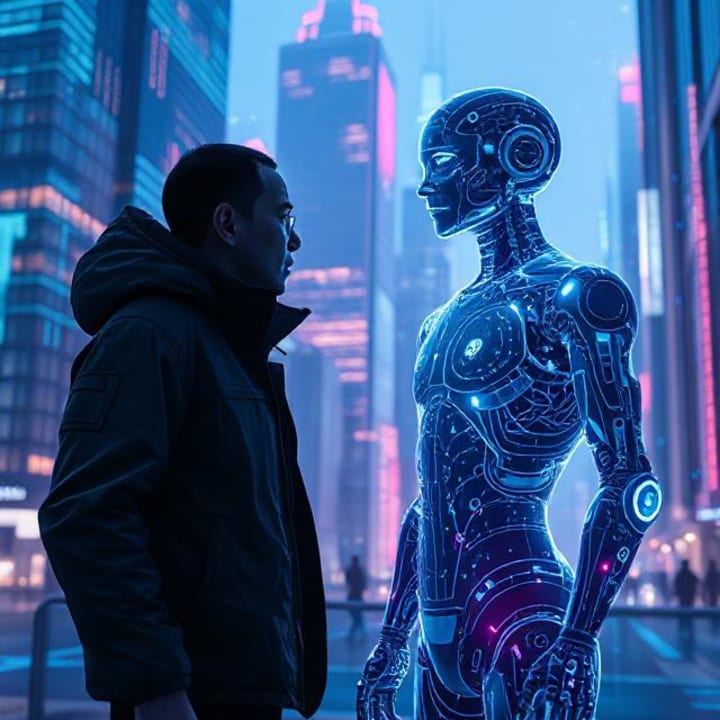
The future of digital humans is closely linked to brain-computer interfaces (BCIs), like Elon Musk’s Neuralink. These technologies could allow humans to directly upload memories, thoughts, and preferences into AI systems, making digital clones not only more accurate but nearly indistinguishable from their biological counterparts.
Imagine having a virtual version of yourself that learns in real-time, improving your skills, making decisions, and even interacting with the world while you sleep. The combination of AI and BCIs could make virtual immortality a tangible reality by the 2030s.
---
Global Race for Digital Identity
Major tech hubs are competing to lead in the field of digital humans:
United States: Companies like OpenAI, Microsoft, and Meta are exploring AI companions, conversational models, and digital avatars.
China: AI labs in Beijing and Shenzhen are developing humanoid robots capable of realistic social interaction, integrated with virtual reality platforms.
Europe: Research institutions focus on the ethical and societal implications of AI identity, aiming for safe and regulated adoption.
The race isn’t just about technology; it’s about shaping the future of human interaction and controlling a new form of digital legacy.
---
Science Fiction Becomes Reality
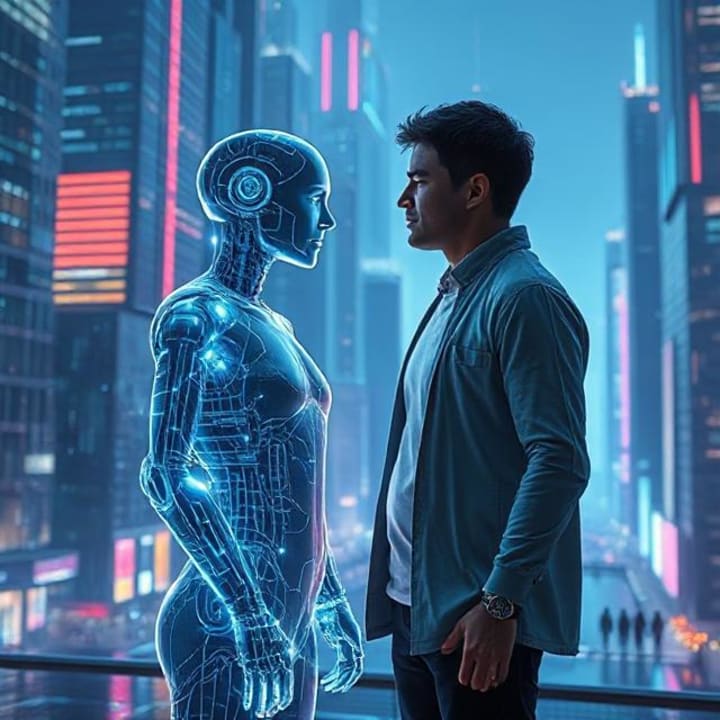
Science fiction has long imagined digital consciousness. Movies like Her or Black Mirror explore the emotional and societal implications of living alongside AI versions of humans. Now, these scenarios are entering our daily lives.
Digital humans will not just serve as assistants or entertainers—they could become extensions of ourselves, living embodiments of our knowledge, personality, and memories. In time, they may even influence decisions, politics, and culture, blurring the lines between reality and virtual existence.
---
Challenges Ahead
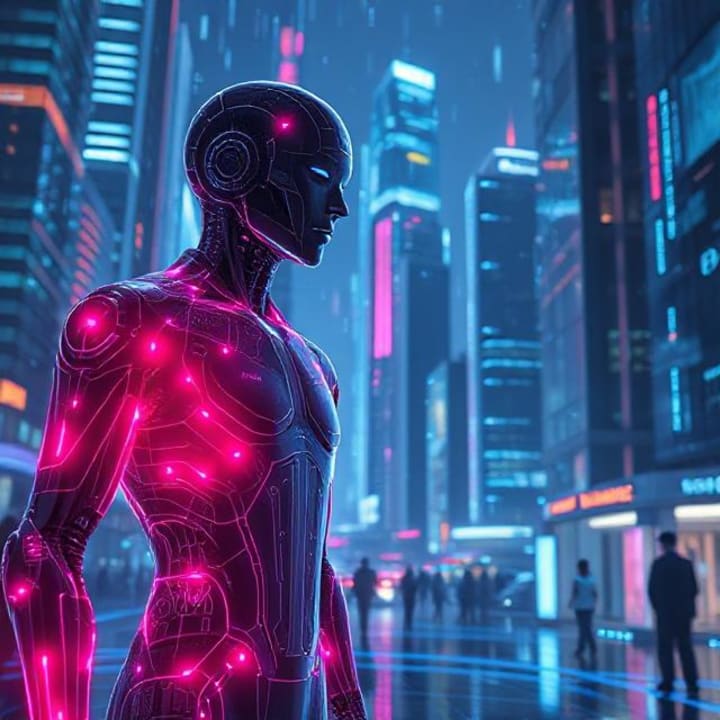
Despite rapid progress, challenges remain:
Technical: AI clones require enormous computational power and constant data updates to remain accurate.
Emotional: How will humans interact with digital versions of deceased loved ones without psychological harm?
Legal: Who is responsible if a digital human acts maliciously or commits a crime?
Philosophical: Are digital humans truly “alive,” or merely sophisticated reflections of their creators?
Addressing these challenges is critical to ensuring that digital immortality enhances, rather than diminishes, human life.
---
Conclusion
The rise of digital humans represents a profound shift in our relationship with technology, identity, and mortality. By creating AI clones and exploring virtual immortality, humanity is entering an era where life may extend beyond biology, challenging our definitions of existence and legacy.
As AI continues to evolve, the next decades may reveal a world where digital humans live alongside us, carry forward our memories, and redefine what it means to be human. Whether this future is utopian or dystopian remains to be seen—but one thing is certain: the era of digital immortality is coming.
---
SEO Keywords: AI clones, digital humans, virtual immortality, brain-computer interface, Neuralink AI, future of human identity, AI avatars, posthumous AI, AI personality replication, digital legacy, humanoid AI robots, ethical AI, transhumanism.
---
About the Creator
Muhammad Riaz
- Writer. Thinker. Storyteller. I’m Muhammad Riaz, sharing honest stories that inspire, reflect, and connect. Writing about life, society, and ideas that matter. Let’s grow through words.
Keep reading
More stories from Muhammad Riaz and writers in Futurism and other communities.
AI-Powered Soldiers: The Future of War or a Dangerous Illusion?
AI-Powered Soldiers: Fact or Science Fiction? The idea of robot soldiers has long been a staple of science fiction, from The Terminator to RoboCop. But in 2025, the line between fiction and reality is blurring fast. Around the world, governments and defense companies are pouring billions into artificial intelligence, autonomous drones, and humanoid robotics designed for combat.
By Muhammad Riaz5 months ago in Futurism
About Binding Prometheus
I want to start actively advocating on behalf of my own work, and the most valuable part of my canon is, without a doubt, Binding Prometheus, the play I have been working on since 2019 and only finished in 2023 as part of my MA. The play itself is an amalgamation of a million different inspirations. On one end, it evokes the Ancient Greek myth-play, deriving its own title from the earliest extant work of Western drama we have, Aeschylus’s Prometheus Bound. On the other end, it borrows significantly from the sci-fi bulwarks from over the years, namely Mary Shelley’s Frankenstein and Karel Capek’s Rossum’s Universal Robots. The play could be an episode of Black Mirror, I fear. I don’t know. I’ve only ever seen one episode of Black Mirror.
By Steven Christopher McKnight17 days ago in Futurism
Plant Based Food Market Set to Soar to USD 32.2 Billion Driven by Digital Shift and Diverse Content
🌱 Plant-Based Food Market – Overview The plant-based food market comprises foods and beverages made primarily from plants (vegetables, legumes, grains, nuts, seeds, fruits) that serve as alternatives to conventional animal-derived products. This includes plant-based meat substitutes, dairy alternatives (milk, yogurt, cheese), eggs, ready-to-eat meals, snacks, and beverages formulated to meet the growing demand for healthier and more sustainable diets. The shift toward plant-based eating reflects rising consumer consciousness around health, environment, animal welfare, and ethical consumption.
By James Smith6 days ago in Futurism



Comments
There are no comments for this story
Be the first to respond and start the conversation.