
The Quest Beyond Earth
Unveiling the Epic Saga of the Space Race and Modern Space Exploration

The History of the Space Race
The Origins of the Space Race
The space race between the United States and the Soviet Union began as an extension of the ideological and geopolitical rivalry of the Cold War. With the launch of the Soviet satellite Sputnik 1 on October 4, 1957, the world witnessed the dawn of the space age. This event marked the starting point of the space race, as the Soviet Union demonstrated its technological prowess by becoming the first nation to put a satellite into orbit. The United States, caught off guard by this achievement, realized the need to catch up and surpass its Cold War adversary in space exploration.
The Race to the Moon
The space race reached its peak in the 1960s with the goal of landing a man on the moon. On May 25, 1961, President John F. Kennedy made a bold proclamation, declaring that the United States would send a man to the moon and bring him back safely before the end of the decade. This declaration served as a rallying cry for the American people and ignited a sense of national pride and determination.
The Soviet Union, on the other hand, had its own lunar ambitions. In 1959, they became the first nation to successfully send a spacecraft, Luna 2, to impact the moon's surface. They followed this achievement with Luna 3, which captured the first images of the far side of the moon in 1959.
However, it was the United States that ultimately achieved the goal set by President Kennedy. On July 20, 1969, the Apollo 11 mission successfully landed astronauts Neil Armstrong and Buzz Aldrin on the moon's surface. Armstrong's famous words, "That's one small step for man, one giant leap for mankind," resonated around the world and solidified the United States' victory in the space race.
Space Cooperation and the International Space Station
Following the end of the space race, the United States and the Soviet Union embarked on a new era of space collaboration. In the 1970s, they jointly developed the Apollo-Soyuz Test Project, which saw an American Apollo spacecraft dock with a Soviet Soyuz spacecraft in space.
This spirit of cooperation continued to evolve, leading to the establishment of the International Space Station (ISS). The ISS, a multinational space laboratory, became a symbol of unity and collaboration among nations. Since its launch in 1998, the ISS has served as a platform for scientific research, technological advancements, and international cooperation in space exploration.
The Significance of the Space Race
The space race between the United States and the Soviet Union had significant implications beyond the realm of space exploration. It was a competition for global prestige and demonstrated technological superiority. Both nations saw space as a strategic arena where their scientific and military capabilities could be showcased to the world.
The space race also had a profound impact on society. It inspired generations of scientists, engineers, and astronauts, fostering innovation and technological advancements. It fueled the development of new technologies, such as satellite communications, weather forecasting, and global positioning systems, which have become integral parts of our daily lives.
Furthermore, the space race had political and diplomatic ramifications. It affected the geopolitical balance of power during the Cold War, as each nation sought to gain an advantage in space. It also created opportunities for international cooperation and diplomacy, as seen in joint missions and the establishment of the ISS.
Overall, the space race was a transformative period in human history. It pushed the boundaries of human achievement, inspired scientific advancements, and brought nations together in the pursuit of shared goals.
Milestones in Modern Space Exploration
The Era of Robotic Missions
After the triumph of the Apollo moon landings, space exploration entered a new phase dominated by robotic missions. These unmanned spacecraft became the workhorses of scientific exploration, venturing far beyond Earth's orbit to study the planets, asteroids, and other celestial bodies in our solar system.
In the 1970s, NASA's Voyager spacecraft embarked on a grand tour of the outer planets, providing unprecedented insights into Jupiter, Saturn, Uranus, and Neptune. These missions revealed the intricate details of their atmospheres, moons, and rings, expanding our understanding of the solar system.
Another significant milestone in robotic exploration was the landing of NASA's Mars rovers. The Pathfinder mission, which included the Sojourner rover, landed on Mars in 1997, marking the first successful landing on the red planet since the Viking missions in the 1970s. This paved the way for subsequent missions, such as the twin rovers Spirit and Opportunity, which explored Mars for over a decade, and the Curiosity rover, which continues to investigate the planet's geology and habitability.
The Rise of Commercial Spaceflight
In recent years, the space industry has witnessed the emergence of commercial spaceflight companies, led by visionary entrepreneurs like Elon Musk and Jeff Bezos. These companies, such as SpaceX and Blue Origin, have revolutionized space access by developing reusable rockets and spacecraft, significantly reducing the cost of space missions.
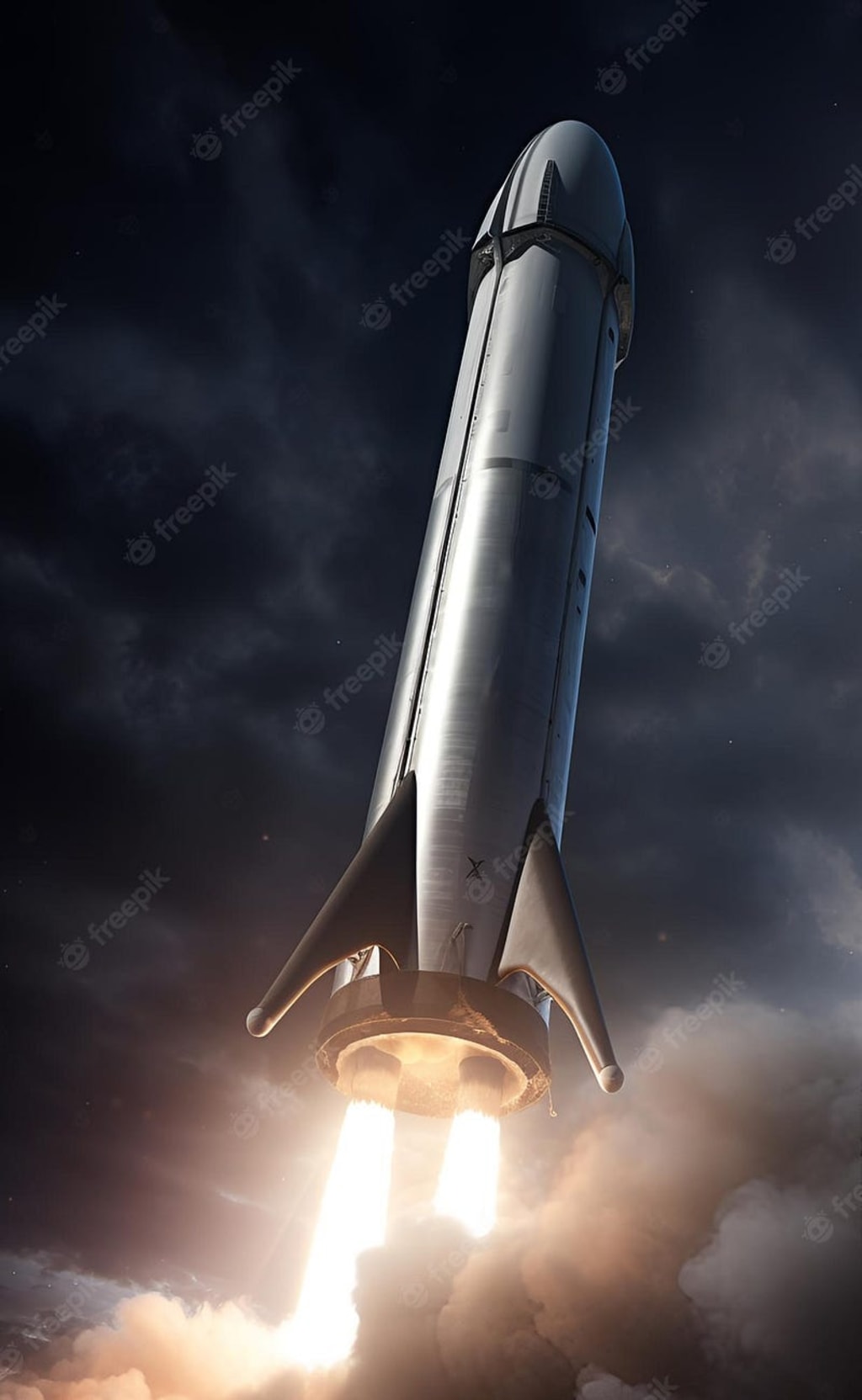
SpaceX, in particular, has made significant strides in the field of commercial spaceflight. The company's Falcon 9 rocket has become a workhorse for launching satellites into orbit, and its Crew Dragon spacecraft has successfully transported astronauts to and from the International Space Station. SpaceX's ambitious plans for interplanetary travel, including the development of the Starship spacecraft, have captured the world's imagination and reinvigorated interest in space exploration.
Lunar Exploration and Beyond
In recent years, there has been a renewed focus on lunar exploration. NASA's Artemis program aims to return astronauts to the moon by 2024, this time with the goal of establishing a sustainable presence and preparing for future missions to Mars. The Artemis program represents a collaborative effort, with international partners, including Canada, Japan, and European countries, contributing to the mission's success.
Additionally, other nations, such as China and India, have also made significant strides in lunar exploration. China's Chang'e missions have successfully landed rovers on the moon's surface and collected valuable data about its geology and resources. India's Chandrayaan-2 mission, although experiencing a partial failure, demonstrated the country's capabilities in lunar exploration.
Looking ahead, the future of space exploration holds exciting possibilities. Missions to Mars are being planned, with NASA's Perseverance rover currently searching for signs of past life on the red planet. Private companies are also aspiring to send tourists to space, opening up new frontiers for commercial space travel. The potential for asteroid mining and the exploration of other celestial bodies, such as Europa and Enceladus, harboring potential for extraterrestrial life, further expands the horizons of human exploration.
The Impact of Space Exploration on Society
Scientific Discoveries and Technological Advances
Space exploration has had a profound impact on scientific knowledge and technological advancements. The exploration of celestial bodies has provided scientists with invaluable data and insights into the origins and evolution of the universe.
One of the most significant scientific discoveries resulting from space exploration is the understanding of the cosmic microwave background radiation. This remnant radiation from the early universe has provided crucial evidence supporting the Big Bang theory and has deepened our understanding of the universe's origins.
Space exploration has also led to breakthroughs in technology. The development of lightweight materials, advanced propulsion systems, and miniaturized electronics for space missions has found applications in various industries on Earth. For example, satellite technology has revolutionized communication, weather forecasting, and navigation systems, enabling global connectivity and enhancing our ability to predict and respond to natural disasters.
Inspiration and Education
Space exploration has captivated the imaginations of people around the world and inspired generations of scientists, engineers, and dreamers. The achievements of astronauts and space missions have served as beacons of hope and symbols of human potential.
The iconic image of the Earthrise, taken by the Apollo 8 astronauts during their mission to orbit the moon, showed our planet as a fragile, interconnected oasis in the vastness of space. This image sparked a new environmental awareness and a sense of responsibility for the planet we call home.
Space exploration has also played a significant role in education. The awe-inspiring nature of space missions has motivated countless students to pursue careers in science, technology, engineering, and mathematics (STEM). Space agencies and educational institutions have capitalized on this interest by developing programs and initiatives to engage students in space-related activities and inspire the next generation of explorers.
Economic Benefits and Industrial Innovation
Space exploration has not only expanded our knowledge and inspired scientific and technological advancements but has also generated economic benefits and fostered industrial innovation. The space industry has become a significant driver of economic growth, creating high-skilled jobs, stimulating research and development, and fostering innovation in various sectors.
Commercial space companies, such as SpaceX and Blue Origin, have disrupted the traditional space industry by introducing cost-effective launch systems and reusable rockets. This has led to increased competition and innovation, driving down the cost of space missions and opening up new opportunities for commercial space activities, including satellite launches, space tourism, and the development of space-based services.
Furthermore, space exploration has stimulated industries such as telecommunications, remote sensing, and Earth observation, which rely on satellite technology for data collection and communication. These industries have contributed to advancements in areas such as weather forecasting, environmental monitoring, and disaster management, benefiting society as a whole.
Challenges and Risks in Space Exploration
Space Debris Management
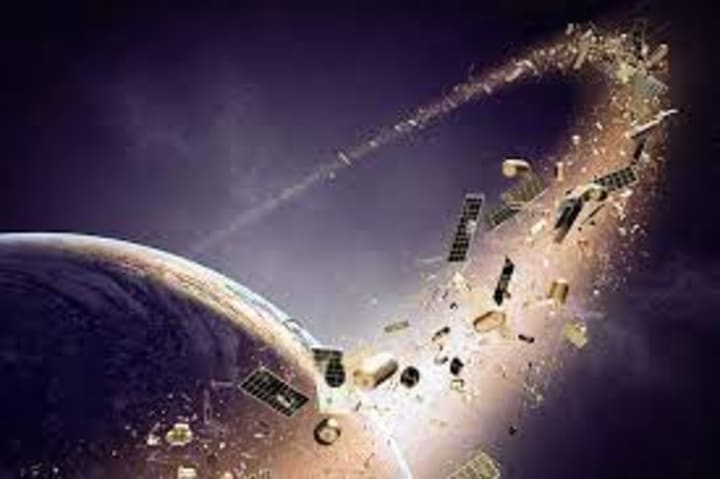
One of the significant challenges in space exploration is the growing accumulation of space debris in Earth's orbit. Space debris, including defunct satellites, spent rocket stages, and fragments from past missions, poses a significant risk to active satellites and spacecraft. Collisions with space debris can cause catastrophic damage and create even more debris, exacerbating the problem.
To mitigate this risk, space agencies and organizations are actively working on solutions for space debris management. This includes measures such as deorbiting satellites at the end of their operational life, implementing collision avoidance protocols, and developing technologies for debris removal and mitigation. International cooperation and coordination are crucial in addressing this global challenge and ensuring the long-term sustainability of space activities.
Space Traffic Management
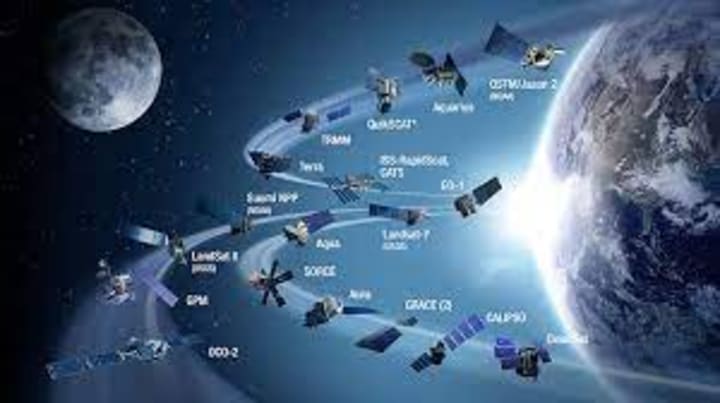
The increasing number of satellites and spacecraft in orbit has led to a growing need for effective space traffic management (STM) to prevent collisions and ensure the safe and efficient use of space. With the rise of satellite constellations and the proliferation of small satellites, tracking, monitoring, and coordinating space traffic has become more complex.
Efforts are underway to develop STM frameworks and systems that enable the sharing of information, coordination of maneuvers, and adherence to best practices for space traffic. This includes the establishment of guidelines and standards for satellite operators, the deployment of tracking and surveillance systems, and the development of automated collision avoidance technologies.
Planetary Protection and Contamination
As space exploration extends beyond Earth's orbit and missions venture to other celestial bodies, such as Mars and moons of other planets, the issue of planetary protection becomes paramount. Planetary protection aims to prevent the contamination of celestial bodies with Earth's microbes and to protect potential biospheres from contamination by extraterrestrial life.
Space agencies and organizations have established strict protocols and guidelines for spacecraft sterilization and the handling of samples returned from space missions. These measures ensure that scientific investigations of other worlds are conducted with minimal interference from terrestrial life and preserve the integrity of potential extraterrestrial environments.
Human Health and Long-duration Space Travel
The human body is not naturally adapted to the harsh conditions of space, and long-duration space travel poses significant challenges to human health and well-being. Exposure to microgravity, radiation, and the isolation and confinement of space environments can have profound physiological and psychological effects on astronauts.
NASA and other space agencies conduct extensive research to understand and mitigate the health risks associated with space travel. This includes studying the effects of microgravity on bone and muscle loss, cardiovascular health, and the immune system. Developing countermeasures and technologies to support the physical and mental well-being of astronauts during long-duration missions is a priority for future space exploration.
The Future of Space Exploration
Lunar Exploration and the Artemis Program
The moon has once again become a focal point of space exploration efforts. NASA's Artemis program aims to return humans to the lunar surface, establishing a sustainable presence and preparing for future missions to Mars and beyond. The program's goal is to land the first woman and the next man on the moon by 2024.
Artemis will involve a series of crewed missions, including the Artemis I uncrewed test flight, Artemis II crewed flyby mission, and Artemis III lunar landing mission. International collaboration and partnerships will play a crucial role in achieving the program's objectives, with countries like Canada, Japan, and European nations contributing expertise and resources.
Mars Exploration and the Search for Life
Mars has long been a target for exploration due to its potential to harbor signs of past or present life. Multiple missions, including NASA's Perseverance rover and the upcoming European Space Agency's ExoMars rover, have been designed to search for evidence of microbial life and study the planet's geology and habitability.
Future Mars missions will focus on sample return, enabling scientists to directly analyze Martian samples on Earth and further investigate the planet's potential for past or present life. Additionally, plans for crewed missions to Mars are being discussed, although the technical and logistical challenges of such missions are significant and require extensive research and development.
Commercial Spaceflight and Space Tourism
The rise of commercial spaceflight companies has opened up new possibilities for space exploration and travel. Companies like SpaceX, Blue Origin, and Virgin Galactic are driving innovation in the sector, developing reusable rockets, spacecraft, and launch systems that lower the cost and increase the accessibility of space missions.
Space tourism is also becoming a reality, with companies planning to offer suborbital and orbital flights to private individuals. This emerging industry promises to democratize access to space and provide a unique and transformative experience for those willing to venture beyond Earth's atmosphere.
Deep Space Exploration and Interstellar Missions
Beyond the moon and Mars, the future of space exploration holds the promise of venturing deeper into the cosmos. Missions to explore asteroids, Kuiper Belt objects, and even interstellar space are being discussed and planned. These missions will expand our knowledge of the universe, uncover new insights into the origins of life, and challenge our understanding of physics and cosmology.
Projects like Breakthrough Starshot, which aims to send tiny spacecraft to the nearest star system, Alpha Centauri, at a fraction of the speed of light, demonstrate the audacity and ambition of future space exploration endeavors. While interstellar travel remains a distant goal, the pursuit of such missions pushes the boundaries of human achievement and fuels our curiosity about the universe.
Prominent Space Exploration Programs and Missions
NASA's Artemis Program
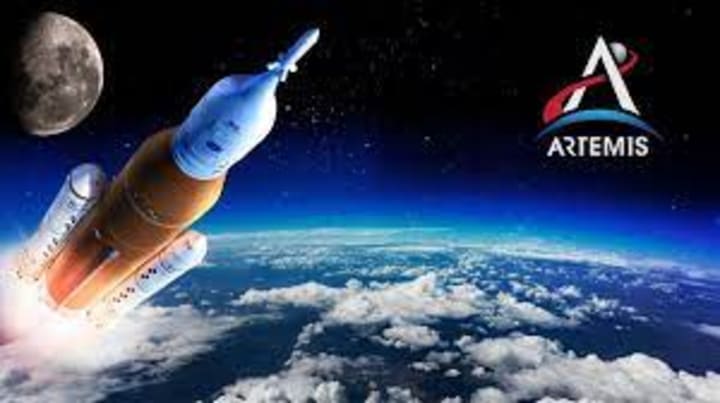
NASA's Artemis program is one of the most ambitious space exploration initiatives currently underway. Building on the legacy of the Apollo missions, Artemis aims to return humans to the moon and establish a sustainable lunar presence by 2024. The program's objectives include scientific research, resource utilization, and technological advancements necessary for future human missions to Mars.
Artemis will involve a series of missions, starting with an uncrewed test flight (Artemis I) and followed by crewed missions (Artemis II and Artemis III) that will culminate in a lunar landing. The program emphasizes international collaboration, with partners like Canada, Japan, and European nations contributing expertise and resources.
China's Lunar Exploration Program
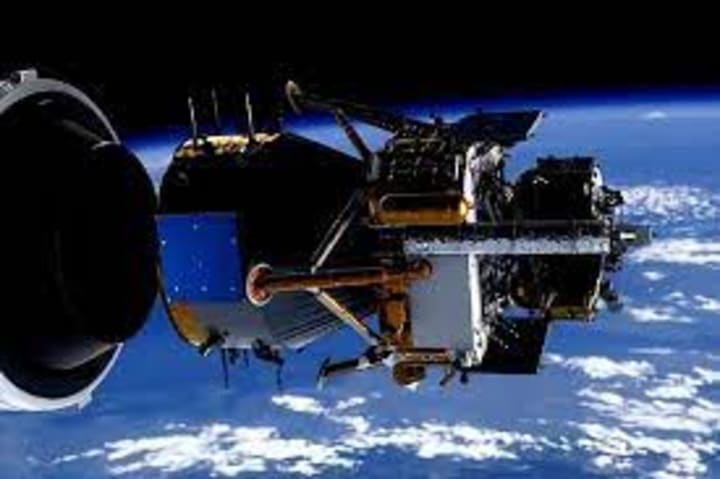
China has made significant strides in lunar exploration with its Chang'e missions. The Chang'e program, named after the Chinese moon goddess, aims to explore the moon's surface, study its geology, and search for resources. The program includes both orbiter and lander missions, with the most recent mission, Chang'e 5, successfully returning lunar samples to Earth in 2020.
China has ambitious plans for future lunar missions, including the establishment of a lunar research base and the possibility of crewed missions to the moon. The country's lunar exploration program represents its commitment to becoming a major player in space exploration and advancing scientific knowledge.
Mars Exploration Rovers (NASA)
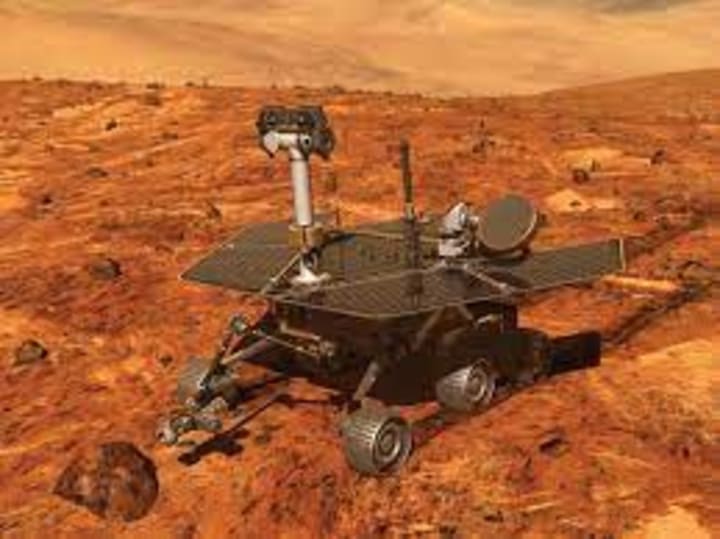
NASA's Mars Exploration Rovers, Spirit and Opportunity, were launched in 2003 to study the Martian surface and search for evidence of past water activity and potential signs of life. These rovers exceeded expectations, with Spirit operating until 2010 and Opportunity until 2018, far beyond their intended mission lifetimes.
The success of the Mars Exploration Rovers paved the way for future Mars missions, including the Mars Science Laboratory mission that delivered the Curiosity rover to the planet's surface in 2012. Curiosity continues to explore Mars, analyzing its geology and searching for signs of habitability.
International Space Station (ISS)
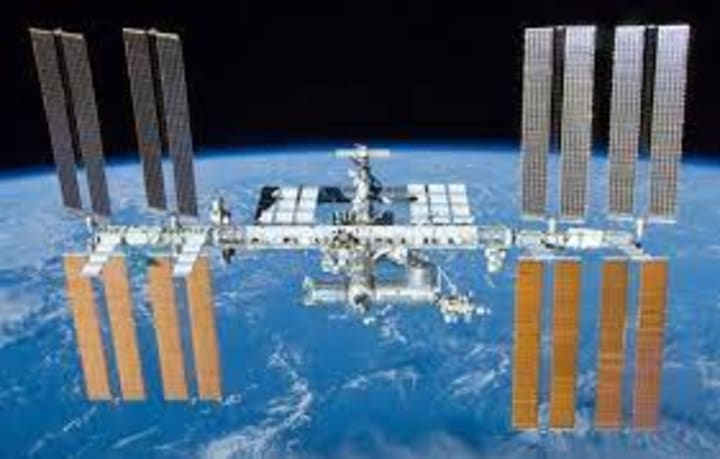
The International Space Station (ISS) is a multinational space laboratory that serves as a platform for scientific research, technological development, and international cooperation. The ISS is a joint effort of NASA, Roscosmos (formerly the Russian Space Agency), the European Space Agency (ESA), the Canadian Space Agency (CSA), and the Japan Aerospace Exploration Agency (JAXA).
Since its launch in 1998, the ISS has been continuously occupied by rotating crews of astronauts and cosmonauts from various nations. It has served as a testbed for technologies and experiments, enabling scientists to study the effects of long-duration space habitation on the human body, conduct research in microgravity, and prepare for future deep space missions.
The Role of Government and Private Organizations in Space Exploration
Government-led Space Agencies
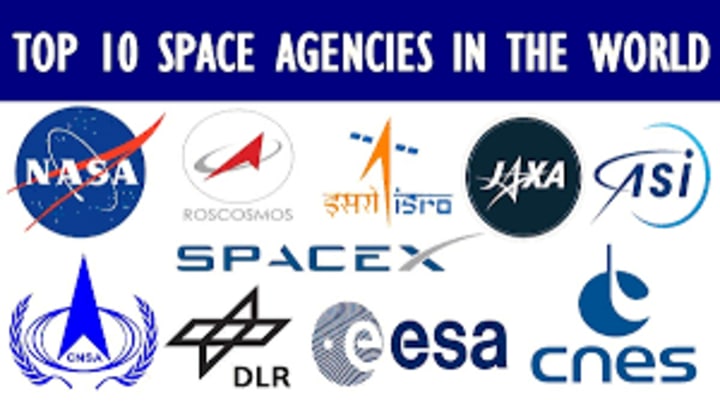
Government-led space agencies, such as NASA (United States), Roscosmos (Russia), ESA (European Union), and CNSA (China), have traditionally played a central role in space exploration. These agencies are responsible for designing and executing space missions, developing innovative technologies, and advancing scientific knowledge.
Government-led space agencies have the resources and expertise to undertake ambitious missions, such as crewed spaceflights, planetary exploration, and the establishment of space infrastructure. They also foster international collaboration through partnerships and agreements, enabling joint missions and the pooling of resources and expertise.
Private Space Companies
In recent years, private space companies have emerged as key players in space exploration. Companies like SpaceX, Blue Origin, and Virgin Galactic have revolutionized the industry with their innovative approaches to rocket design, spacecraft development, and launch services.
Private space companies have brought new capabilities and efficiencies to the field, driving down the cost of space missions and accelerating technological advancements. They have also sparked a new era of commercial space activities, including satellite launches, space tourism, and the development of space-based services.
Government agencies and private companies often collaborate on space missions, with public-private partnerships becoming increasingly common. These partnerships leverage the strengths of both sectors, combining government funding, regulatory oversight, and infrastructure with private sector innovation and agility.
The Benefits of Space Exploration
Scientific Discovery and Knowledge
Space exploration has advanced scientific knowledge and deepened our understanding of the universe. It has provided insights into the origins and evolution of celestial bodies, the nature of space and time, and the fundamental laws of physics. Discoveries made during space missions have expanded our understanding of planetary science, astrophysics, cosmology, and astrobiology.
Space exploration has also contributed to advancements in Earth sciences, with satellite observations helping to monitor and study our planet's climate, weather patterns, natural disasters, and environmental changes. This knowledge is crucial for understanding and addressing global challenges, including climate change, natural resource management, and disaster response.
Technological Innovation and Spin-off Technologies
Space exploration has been a catalyst for technological innovation and the development of cutting-edge technologies. The challenges of space travel have driven advancements in areas such as rocket propulsion, materials science, communications, robotics, and life support systems.
Many technologies originally developed for space missions have found applications in various industries on Earth. For example, satellite communications have revolutionized global connectivity, enabling real-time communication, global positioning, and navigation systems. Remote sensing technologies developed for space observation have improved weather forecasting, environmental monitoring, and resource management.
Economic Growth and Job Creation
Space exploration has become a significant driver of economic growth, job creation, and industrial innovation. The space industry encompasses a wide range of activities, including satellite manufacturing and operations, launch services, space tourism, and the development of space-based services.
The commercialization of space has opened up new business opportunities, attracting private investments, fostering entrepreneurship, and stimulating innovation in various sectors. Space-related industries, such as aerospace engineering, robotics, telecommunications, and Earth observation, provide high-skilled jobs and contribute to local and national economies.
Inspiration and Education
Space exploration has captivated the imaginations of people around the world and inspired future generations of scientists, engineers, and explorers. The achievements of astronauts and space missions have served as a source of inspiration and instilled a sense of wonder and curiosity about the universe.
Space exploration has also played a significant role in education, promoting STEM (science, technology, engineering, and mathematics) disciplines and fostering scientific literacy. Space agencies and educational institutions have developed programs and initiatives to engage students in space-related activities, providing hands-on experiences and opportunities for learning and discovery.
Conclusion
Space exploration has been a remarkable journey of human achievement, pushing the boundaries of scientific knowledge, technological innovation, and international collaboration. The history of the space race, from the fierce competition between the United States and the Soviet Union to the current era of cooperation and commercialization, reflects humanity's insatiable curiosity and ambition to explore the unknown.
Milestones in modern space exploration, such as the moon landings, Mars missions, and the International Space Station, have provided invaluable insights into our universe and expanded our understanding of ourselves and our place in the cosmos. The benefits of space exploration, including scientific discovery, technological innovation, economic growth, and inspiration, have transformed societies and created opportunities for progress and positive change.
As we venture into the future of space exploration, challenges and risks remain, from space debris management and space traffic coordination to the health and well-being of astronauts during long-duration missions. However, these challenges also present opportunities for collaboration, innovation, and the development of sustainable and responsible space exploration practices.
The future of space exploration holds exciting prospects, from returning to the moon, exploring Mars, venturing into deep space, and unlocking the mysteries of the universe. Government-led space agencies and private companies will continue to play vital roles in shaping the future of space exploration, fostering international cooperation, and driving advancements in science, technology, and human exploration.
Space exploration is not just a scientific and technological endeavor; it is a testament to human curiosity, resilience, and our innate desire to explore and understand the world beyond our own. As we embark on this extraordinary journey, let us embrace the spirit of exploration, collaboration, and discovery, and continue to push the boundaries of what is possible in the pursuit of knowledge and our shared destiny among the stars.
About the Creator
Écrivain Placard
Curious reader and researcher, always exploring the lesser-known corners of the world. Sharing obscure findings and insights with fellow knowledge-seekers. Never satisfied with the obvious, always digging deeper for the truth.
Keep reading
More stories from Écrivain Placard and writers in Futurism and other communities.
Tech Titans Clash
Tech Titans Clash: Unraveling the Chip Wars The saga of chip wars, a relentless battle for microchip technology, spans several decades and remains an enduring spectacle in the world of tech. Offering profound insights into this gripping tale, Chris Miller's opus, "Chip War," illuminates the metamorphosis of the semiconductor industry into an indispensable facet of contemporary life. It narrates how the United States, through visionary ingenuity, emerged as a dominant force in chip development and production, ingeniously harnessing this technology in military applications. A turning point in this epic saga was the strategic advent of high-speed chips, instrumental in neutralizing the Soviet Union's precision-guided weaponry, thus cementing the United States' supremacy.
By Écrivain Placard3 years ago in Futurism
Stanislav Kondrashov Oligarch Series: Oligarchy and Global Supergrids in the Next Phase of the Energy Transition
The global energy transition is entering a phase defined less by individual technologies and more by infrastructure. One concept gaining attention is the development of global supergrids—large-scale electricity networks designed to connect distant regions through long-distance transmission systems. These networks would allow electricity to move across vast territories, creating a more interconnected energy landscape.
By Stanislav Kondrashov7 days ago in Futurism
Cell Dissociation Market Outlook: Advancements in Cell-Based Research and Growth Opportunities
According to IMARC Group's latest research publication, The global cell dissociation market size reached USD 404.8 Million in 2024. Looking forward, IMARC Group expects the market to reach USD 1,186.4 Million by 2033, exhibiting a growth rate (CAGR) of 12.06% during 2025-2033.
By James Whitman4 days ago in Futurism
Bomb Scare
It was 2027, and the world never thought it would happen. A missle hit the United States, but it wasn't where they had anticipated. A little town in the northeast was hit by a missile strike, they didn't know why, and they didn't know exactly where it hit, but they did know it was a coastal community, somewhere between Maine and Delaware.
By Gregory Payton8 days ago in Fiction


Comments
There are no comments for this story
Be the first to respond and start the conversation.