
The Philosophy of Ethics: Foundations and Contemporary Applications
Navigating the Complexities of Modern Life: How Ethical Philosophy Guides Our Actions and Decisions

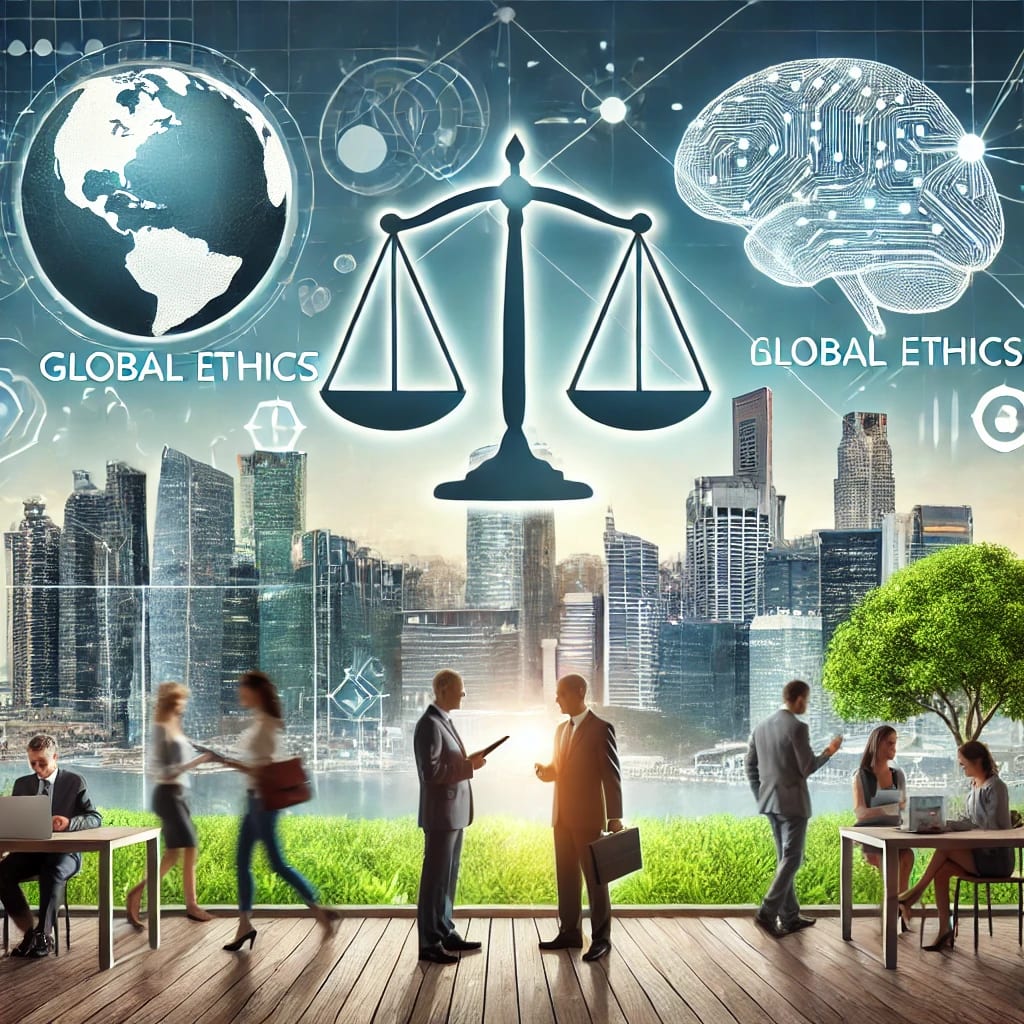
Introduction: The Essence of Ethical Philosophy
Ethical philosophy stands as one of the most ancient and fundamental branches of human thought. For millennia, humans have questioned what it means to live a just life, which values and principles should guide our actions, and how we can build a society that reflects these ideals. Philosophers throughout history have sought answers to these questions, developing theories and arguments that continue to profoundly influence our way of thinking and acting today. In the contemporary world, where the rapid pace of change and the complexity of global challenges make ethical reflection even more urgent, the role of ethical philosophy has never been more critical. It offers us tools to understand, evaluate, and respond to the moral dilemmas that arise in every area of our lives.
The Foundations of Ethical Philosophy
The foundations of ethical philosophy have been built through centuries of debate and reflection, with theories that seek to define what it means to live morally and how we can determine the rightness of our actions.
1. Deontological Ethics: Deontological ethics, one of the major schools of moral philosophy, focuses on the idea that certain actions are inherently right or wrong, regardless of their consequences. This theory, exemplified by the thought of Immanuel Kant, proposes that our actions should be guided by universal moral principles that hold in all situations. Kant introduces the concept of the categorical imperative, a principle that requires us to act only according to maxims that we can wish to become universal laws. This approach has a strong impact on professional ethics and law, influencing the modern conception of human rights and equality.
2. Consequentialist Ethics: While deontological ethics focuses on intentions and principles, consequentialist ethics evaluates actions based on their outcomes. Utilitarianism, perhaps the most well-known form of consequentialism, holds that the morality of an action depends on the amount of happiness or well-being it produces. Jeremy Bentham and John Stuart Mill were among the leading proponents of this theory, proposing that the best action is the one that ensures “the greatest good for the greatest number.” This approach has greatly influenced politics and economics, encouraging consideration of the social and economic impact of decisions and public policies.
3. Virtue Ethics: Virtue ethics, with deep roots in ancient Greek philosophy, especially in Aristotle, shifts the focus from rules and consequences to the character of the individual. Aristotle argued that living virtuously is the key to achieving eudaimonia, a form of happiness or flourishing that comes from living in harmony with one’s virtues. This theory emphasizes the development of moral character and virtuous habits, rather than rigid rules or calculations of consequences. In the contemporary world, virtue ethics is particularly relevant in discussions on ethical leadership, character formation, and moral education.
Applications of Ethics in Contemporary Society
Ethical theories are not confined to academic studies; they find practical applications in numerous areas of modern society, influencing decisions, policies, and everyday practices.
1. Professional Ethics: Every profession has developed its own code of ethics over time, serving to guide the behavior of its members. These codes reflect the fundamental values of the profession and seek to ensure that professional activities are conducted with integrity, responsibility, and respect for individuals and society. For example, in medicine, the Hippocratic Oath requires doctors to act in the best interest of the patient, avoiding harm. In the legal field, lawyers are bound to maintain confidentiality and to represent their clients zealously, while journalists are expected to report facts accurately and impartially. Professional ethics are crucial for maintaining public trust and ensuring that professions continue to fulfill their essential roles in society.
2. Ethics and Technology: The advent of new technologies has created unprecedented ethical challenges. With the development of artificial intelligence, robotics, and biotechnology, we are confronted with complex and often novel issues. For example, artificial intelligence can be programmed to make decisions that have a direct impact on people’s lives, such as in personalized medicine or automated judicial systems. However, questions arise about how to ensure that these decisions are fair and non-discriminatory. Similarly, biotechnology raises ethical questions about genetic manipulation, cloning, and the possibilities of intervening in the human genome. The ethics of technology seeks to develop principles and guidelines that can ensure that technological progress respects human rights and individual dignity.
3. Environmental Ethics: The climate crisis and growing awareness of environmental issues have led to the development of environmental ethics, which explores the relationship between humans and nature. This branch of ethics addresses crucial issues such as intergenerational justice, sustainability, and responsibility towards other living species. Environmental ethics proposes that humans have not only a moral duty towards future generations but also a responsibility to preserve ecosystems and biodiversity. This ethical approach underpins many contemporary environmental policies, which seek to balance economic development with environmental protection, promoting sustainable and respectful practices towards nature.
4. Ethics in Commerce and Finance: Ethics plays an increasingly central role in the world of business and finance. With globalization and growing social awareness, companies are called upon to operate ethically, respecting not only their legal obligations but also societal expectations. Corporate Social Responsibility (CSR) has become a key element of business success, with companies striving to demonstrate their commitment to sustainability, human rights, and social justice. Ethical practices in commerce and finance include respect for workers’ rights, transparency in financial operations, and a commitment to reducing the environmental impact of business activities. These ethical principles not only enhance the reputation of companies but also contribute to creating a more just and sustainable economy.
5. Ethics in International Relations: In international relations, ethics plays a crucial role in shaping global policies and resolving conflicts. Ethical issues concern global justice, human rights, the use of military force, and the distribution of resources. Governments and international organizations must address complex ethical dilemmas, balancing their national interests with moral responsibilities towards the international community. For example, decisions on humanitarian intervention, international trade, and refugee protection raise fundamental ethical questions about how to balance national sovereignty with universal human rights. Ethics in international relations seeks to promote peace, justice, and global cooperation, contributing to building a more equitable and secure world.
Ethical Challenges in the Modern World
The ethical challenges of the modern world are numerous and complex, driven by technological, social, and political developments that require a rethinking of traditional moral conceptions.
1. Cultural Relativism: One of the major challenges in contemporary ethics is cultural relativism, the idea that moral values are specific to each culture and that there is no universal standard by which to judge them. This concept poses particular problems in international relations and global cooperation, where divergent ethical standards can lead to conflicts. For example, practices considered acceptable in one culture may be seen as morally unacceptable in another. Finding common ground that respects cultural diversity while maintaining global ethical standards is one of the most pressing challenges of our time.
2. Ethics and Artificial Intelligence: As artificial intelligence assumes increasingly important roles in society, new ethical challenges emerge. Decisions made by AI can have a profound impact on people’s lives, from access to healthcare to employment opportunities. These technologies raise questions about who is responsible for decisions made by machines and how we can ensure that AI operates fairly and transparently. Developing an ethical framework for artificial intelligence is essential to avoid the risk of creating systems that perpetuate injustices or discriminations.
3. Ethics and Big Data: The collection and analysis of vast amounts of data pose significant ethical questions regarding privacy and the use of personal information. Companies handling big data must face ethical dilemmas about how to use this data without violating individuals’ privacy or exploiting the information for questionable purposes. The ethics of big data requires careful consideration of how to balance the innovative potential of these tools with the need to protect individual rights and freedoms.
4. Inequality and Social Justice: The growing economic and social inequality represents one of the most pressing ethical challenges of our time. While a portion of the global population accumulates immense wealth, millions of people live in poverty and deprivation. This disparity raises fundamental questions about how to structure our societies to ensure equity and justice for all. Ethical issues related to inequality concern not only the distribution of resources but also access to education, healthcare, and opportunities for personal and professional development.
5. Globalization and Ethical Pluralism: Globalization has intensified contact between different cultures, bringing ethical pluralism to the forefront—the coexistence of different systems of values and moral principles. This cultural and ethical diversity can lead to tensions and conflicts, especially when contrasting ethical norms collide. For example, business practices, human rights laws, and environmental standards can vary widely between countries, creating ethical dilemmas about how to operate in international contexts. Ethical pluralism challenges the idea of a universal ethics, pushing philosophers and policymakers to reflect on how to navigate cultural differences in a respectful and constructive manner.
Future Prospects of Ethics
As the world continues to evolve, ethics must adapt to address new challenges and opportunities. The future prospects of ethics include developing new paradigms and expanding existing ethical theories to respond to the needs of a rapidly changing world.
1. Development of a Global Ethics: The increasing interconnectedness between nations and cultures highlights the need to develop a global ethics that can be applied universally. This ethics should be based on shared principles such as human rights, sustainability, and equity, and should be able to adapt to different cultural and social realities. Global ethics could serve as a foundation for addressing the common challenges that humanity faces, promoting international cooperation and peaceful conflict resolution.
2. New Frontiers in Ethics: As science and technology advance, new ethical frontiers will emerge that require in-depth reflection. Emerging technologies such as genetics, biotechnology, and space exploration raise fundamental questions about what it means to be human and what limits should be imposed. For example, the ethics of genetics will explore the moral implications of genetic manipulation and biotechnologies, questioning how we can use these technologies responsibly.
3. Ethical Education: A key element for the future of ethics is education. Teaching ethics is not only abouttransmitting theoretical knowledge but also about promoting critical thinking and the ability to make informed and responsible decisions. Schools and universities play a fundamental role in preparing future generations to face the ethical dilemmas of the modern world. Ethical education should be integrated at all levels of education, promoting awareness of moral issues and encouraging ethical behavior in all areas of life.
4. Ethics of Sustainability: With increasing environmental concerns, the ethics of sustainability is emerging as a crucial field of study and action. This discipline examines the ethical responsibilities of current generations towards future ones and towards the planet. The ethics of sustainability requires a radical change in how we think and act, promoting sustainable practices that ensure the conservation of natural resources and the protection of ecosystems. This ethical approach emphasizes the importance of living in harmony with nature, recognizing that human well-being depends on the health of the planet.
5. Bioethics and the Right to Life: Bioethics will continue to be a crucial field of reflection, especially with the advancement of medical and genetic technologies. Issues such as euthanasia, cloning, assisted reproduction, and genetic editing raise profound ethical questions about what the right to life means and how we should balance individual autonomy with broader moral considerations. Bioethics not only explores these dilemmas but also seeks to establish guidelines that can inform public policies and clinical decisions, ensuring that medical innovations align with fundamental ethical principles.
Conclusion
The philosophy of ethics, with its wealth of theories and applications, remains an indispensable compass for navigating the complexities of the modern world. The challenges we face today—from technology to the environment, from social justice to globalization—require deep ethical reflection and a constant commitment to act justly and responsibly. As we venture into the future, ethics remains a beacon that lights the way, guiding us towards decisions that not only respect moral principles but also promote collective well-being and the sustainability of our planet. Our ability to face these challenges with integrity and wisdom will depend on our understanding of existing ethical theories, our willingness to develop new paradigms, and our commitment to educating future generations in ethical values.
About the Creator
Fabio Smiraglia
I am a passionate content writer with extensive experience in crafting engaging texts for blogs, websites, and social media. I love telling stories, informing, and connecting with audiences, always with creativity and precision.
Keep reading
More stories from Fabio Smiraglia and writers in Futurism and other communities.
Space Exploration: Past, Present, and Future Missions
Introduction Space exploration represents one of humanity’s greatest adventures. The vastness of the universe has always fascinated humankind, pushing us to transcend the boundaries of our planet to explore unknown worlds. The space missions that began in the second half of the 20th century have opened new scientific and technological horizons, contributing to a better understanding of our solar system and beyond. This article delves into the most significant space missions of the past, analyzes the current endeavors in space, and offers a glimpse into the ambitious missions of the future.
By Fabio Smiragliaabout a year ago in Futurism
About Binding Prometheus
I want to start actively advocating on behalf of my own work, and the most valuable part of my canon is, without a doubt, Binding Prometheus, the play I have been working on since 2019 and only finished in 2023 as part of my MA. The play itself is an amalgamation of a million different inspirations. On one end, it evokes the Ancient Greek myth-play, deriving its own title from the earliest extant work of Western drama we have, Aeschylus’s Prometheus Bound. On the other end, it borrows significantly from the sci-fi bulwarks from over the years, namely Mary Shelley’s Frankenstein and Karel Capek’s Rossum’s Universal Robots. The play could be an episode of Black Mirror, I fear. I don’t know. I’ve only ever seen one episode of Black Mirror.
By Steven Christopher McKnight17 days ago in Futurism
Contrary to popular perception, far-side observations show that Earth's moon is not "dead."
For a long time, the moon appeared to be a world that had completed its major transformations before becoming silent. Although there are still scars on its surface from heavy impacts and past lava floods, many experts have viewed such features as remnants of a far older era.
By Francis Dami5 days ago in Futurism


Comments (1)
Thanks for sharing