
The Nine Forms of Goddess Durga Worshipped During Navratri
The Nine Forms of Goddess Durga Worshipped During Navratri: A Journey Through Divine Feminine Power

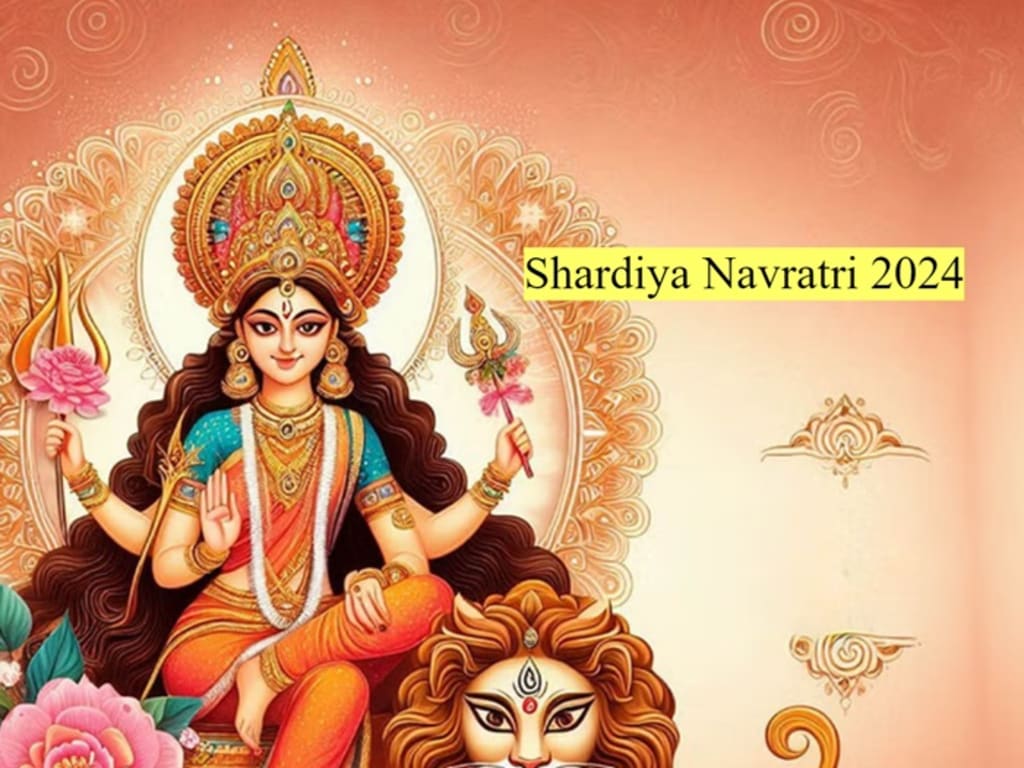
The Nine Forms of Goddess Durga Worshipped During Navratri
Navratri is one of the most significant Hindu festivals, celebrated with great enthusiasm across India. At the heart of this festival is the worship of Goddess Durga in her nine different forms, each representing a unique aspect of the divine feminine power. These nine forms, collectively known as Navadurga, are revered across the nine days of Navratri, with each day dedicated to a different form.
This article will provide an in-depth exploration of the nine forms of Durga, their significance, the rituals associated with their worship, and how they embody different qualities that devotees aspire to achieve. This knowledge is not only spiritually enriching but also provides a deeper understanding of the cultural and religious importance of Navratri.
Table of Contents :-
- Introduction to Navadurga
- The Nine Forms of Goddess Durga ( Shailaputri, Brahmacharini, Chandraghanta, Kushmanda, Skandamata, Katyayani, Kalaratri, Mahagauri, Siddhidatri )
- Significance of Worshipping the Nine Forms
- How Each Form Relates to Different Aspects of Life
Introduction to Navadurga :-
The nine forms of Goddess Durga are symbolic representations of feminine energy, known as Shakti. Each form embodies different virtues, strengths, and lessons. The Navadurga are celebrated for their ability to protect, nurture, and empower. Worshippers offer prayers and perform rituals to seek blessings for strength, prosperity, and protection from evil. These forms are also connected with various stories from Hindu mythology, where they are seen defeating demons, symbolising the triumph of good over evil.
The Nine Forms of Goddess Durga :-
Let’s explore each of the nine forms of Goddess Durga, their meanings, and how they are celebrated during Navratri :-
1. Shailaputri – The Daughter of the Mountains :-
On the first day of Navratri, devotees worship Shailaputri, which translates to “Daughter of the Mountains.” According to Hindu mythology, Shailaputri is the incarnation of Goddess Parvati, the daughter of King Himavat. She symbolises the earth element and is considered the provider of stability and strength. Shailaputri is depicted riding a bull and holding a trident and lotus in her hands.
Significance :-
Worshipping Shailaputri is believed to strengthen one's physical and emotional stability. Devotees pray to her for the endurance and determination to overcome life’s challenges.
Rituals :-
On this day, people perform Ghatasthapana (installing a sacred vessel) and light an oil lamp that burns continuously for the nine days of Navratri.
2. Brahmacharini – The One Who Practises Devotion :-
On the second day, Brahmacharini, the goddess of penance and austerity, is worshipped. She represents immense willpower, virtue, and discipline. Brahmacharini is seen holding a kamandal (water pot) and a rosary, symbolising her dedication to meditation and prayer. According to myth, Brahmacharini was the form of Goddess Parvati when she performed severe penance to marry Lord Shiva.
Significance :-
Brahmacharini inspires her devotees to be patient and disciplined in life. Her story teaches the importance of perseverance and devotion to achieve goals.
Rituals :-
Devotees offer flowers, fruits, and sweets to Brahmacharini while chanting prayers to develop self-control and patience.
3. Chandraghanta – The One Who Wears the Crescent Moon :-
Chandraghanta is worshipped on the third day of Navratri. She is known for her warrior form, symbolising bravery and courage. She is depicted riding a lion with a crescent moon on her forehead, and she holds various weapons in her hands. According to mythology, she is the form of Goddess Parvati who transformed into a fierce warrior to fight against evil.
Significance :-
Chandraghanta represents inner strength and the readiness to battle evil forces. Worshippers seek her blessings for courage in the face of adversity and protection from harm.
Rituals :-
Devotees perform special prayers and recite hymns to invoke the fierce energy of Chandraghanta, asking for protection and success in difficult situations.
4. Kushmanda – The Creator of the Universe :-
The fourth day is dedicated to Kushmanda, the goddess who is believed to have created the universe with her divine smile. In Hindu cosmology, it is said that she gave birth to the sun, which symbolises her role as the source of energy and life. Kushmanda is depicted with eight arms holding various objects, representing different facets of creation.
Significance :-
Kushmanda’s worship is believed to bring light, prosperity, and happiness into the lives of devotees. She inspires creativity and the power of manifestation.
Rituals :-
Devotees offer pumpkins (kushmanda in Sanskrit) to the goddess and recite prayers to attract positive energy and success.
5. Skandamata – The Mother of Lord Kartikeya :-
On the fifth day, Skandamata is worshipped, the mother of Lord Kartikeya (also known as Skanda), the god of war. Skandamata is depicted riding a lion, carrying baby Skanda in her lap, and holding a lotus in her hand. She symbolises motherly love, protection, and the nurturing nature of the divine.
Significance :-
Worshipping Skandamata is believed to invoke blessings for good health, peace, and prosperity, especially for families and children.
Rituals :-
Devotees offer flowers and fruits to Skandamata, seeking her protection and blessings for their loved ones.
6. Katyayani – The Fierce Warrior :-
The sixth day of Navratri is dedicated to Katyayani, the goddess who was born to Sage Katyayana to destroy the demon Mahishasura. She is a warrior goddess and is often depicted riding a lion, holding a sword and a lotus in her hands. Katyayani symbolises the fight against oppression and injustice.
Significance :-
Katyayani is revered for her strength and courage. Devotees pray to her for victory over challenges and for justice to prevail.
Rituals :-
Young unmarried girls often fast and worship Katyayani to seek blessings for a happy marriage and to remove obstacles in life.
7. Kalaratri – The Goddess of Destruction :-
Kalaratri, the fiercest form of Durga, is worshipped on the seventh day of Navratri. She is depicted with dark skin, riding a donkey, and holding a sword and a trident. Kalaratri represents the destruction of evil forces and the removal of ignorance and fear.
Significance :-
Kalaratri is believed to protect her devotees from evil influences, black magic, and negative energies. Her worship is associated with inner purification and spiritual awakening.
Rituals :-
Devotees light lamps and chant mantras to ward off darkness and seek protection from negativity.
8. Mahagauri – The Goddess of Purity and Peace :-
Mahagauri is worshipped on the eighth day of Navratri. She is associated with purity, peace, and calmness. Mahagauri is often depicted in white clothing and riding a bull. It is believed that she fulfils the wishes of her devotees and purifies their hearts and minds.
Significance :-
Mahagauri’s worship brings inner peace and a sense of clarity. Devotees pray to her for mental and emotional tranquillity.
Rituals :-
On this day, devotees focus on prayers and meditation to cleanse their thoughts and seek spiritual fulfilment.
9. Siddhidatri – The Giver of Supernatural Powers :-
The final day of Navratri is dedicated to Siddhidatri, the goddess who grants siddhis (supernatural powers) and knowledge to her devotees. She is depicted sitting on a lotus, holding a discus, conch, mace, and lotus flower. Siddhidatri represents the culmination of spiritual progress and the attainment of ultimate knowledge.
Significance :-
Siddhidatri is revered as the source of wisdom, spiritual enlightenment, and perfection. Devotees pray to her to achieve success and perfection in all aspects of life.
Rituals :-
Devotees offer prayers to Siddhidatri to attain spiritual growth and divine wisdom. It is believed that her blessings bring fulfilment and contentment.
Significance of Worshipping the Nine Forms :-
Each of the nine forms of Durga represents a journey of spiritual growth. Worshippers believe that by honouring these forms, they can overcome obstacles, gain strength, and achieve both material and spiritual success. The rituals and prayers during Navratri allow devotees to reconnect with their inner strength, cleanse their mind and body, and realign their focus toward spiritual progress.
How Each Form Relates to Different Aspects of Life :-
Each form of Goddess Durga is connected to different virtues and qualities. For instance :-
Shailaputri teaches the importance of stability and grounding.
Brahmacharini emphasises patience and dedication.
Chandraghanta inspires courage.
Kushmanda symbolises creativity and life-giving energy.
Navratri is not just a festival; it’s a spiritual journey that encourages self-reflection and empowerment. The nine forms of Goddess Durga remind us that strength, patience, courage, and wisdom are qualities we all can cultivate to overcome life's challenges. Worshipping these forms during Navratri helps devotees to embrace these qualities and seek divine blessings for a prosperous and fulfilling life.
About the Creator
DINESH KUMAR SHARMA
i am a writer and a investor
Keep reading
More stories from DINESH KUMAR SHARMA and writers in Futurism and other communities.
First Dreams and Aspirations
In every person’s life, the earliest dreams and aspirations are often the seeds of their future endeavors, no matter how small or seemingly inconsequential they appear at the time. For the man at the heart of this story, his childhood dreams were like delicate footprints on a path that, though not always visible in the moment, would eventually lead him toward a remarkable life.
By DINESH KUMAR SHARMAabout a year ago in Futurism
About Binding Prometheus
I want to start actively advocating on behalf of my own work, and the most valuable part of my canon is, without a doubt, Binding Prometheus, the play I have been working on since 2019 and only finished in 2023 as part of my MA. The play itself is an amalgamation of a million different inspirations. On one end, it evokes the Ancient Greek myth-play, deriving its own title from the earliest extant work of Western drama we have, Aeschylus’s Prometheus Bound. On the other end, it borrows significantly from the sci-fi bulwarks from over the years, namely Mary Shelley’s Frankenstein and Karel Capek’s Rossum’s Universal Robots. The play could be an episode of Black Mirror, I fear. I don’t know. I’ve only ever seen one episode of Black Mirror.
By Steven Christopher McKnight17 days ago in Futurism
The Death of Memorization: How AI is Redefining What We Really Need to Learn
Introduction: When Memory Was the Heart of Education For centuries, learning was synonymous with memory. To be educated was to possess the ability to recall holy scripture, historical dates, scientific formulas, or epic poems. Students recited, repeated, and wrote knowledge into their minds as if human memory was the apex of scholarship. For centuries, it was. Before the printing press, before Google, before artificial intelligence, the human brain was the storage house of civilization.
By The Chaos Cabinet4 days ago in Futurism



Comments
There are no comments for this story
Be the first to respond and start the conversation.