
The New Age of Crypto: NFTs and the Art World
NFTs: The Revolutionary New Way to Monetize Digital Art and Provide Accessibility to Collectors
Introduction:
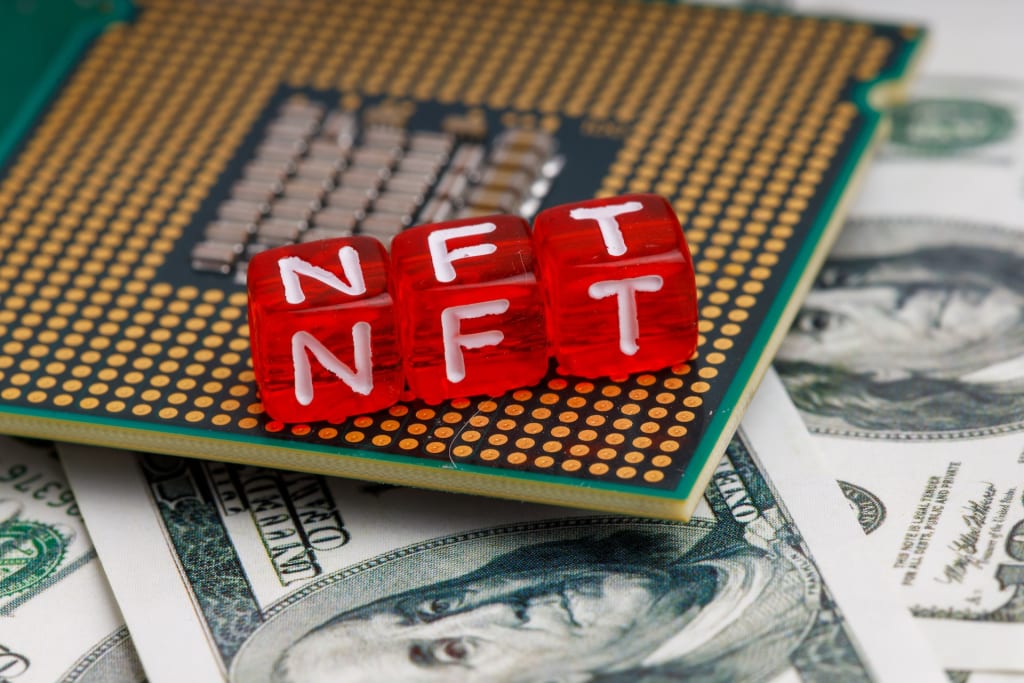
Cryptocurrency has been a hot topic for several years, but recently, the buzz has been around NFTs, or non-fungible tokens. NFTs are a new way to buy and sell digital art, music, videos, and other digital assets. They are unique digital assets that are stored on a blockchain and cannot be replicated. In this article, we will explore NFTs and their impact on the art world.
What are NFTs?
NFTs are unique digital assets that are stored on a blockchain. They are non-fungible, which means that they cannot be replicated or replaced. Each NFT has a unique code that verifies its authenticity and ownership. NFTs can be used to buy and sell digital art, music, videos, and other digital assets. They are becoming increasingly popular in the art world as a new way to monetize digital art.
How NFTs are Changing the Art World:
New revenue streams for artists:
One of the significant benefits of NFTs is that they provide new revenue streams for artists. Artists can now sell their digital art directly to collectors, without the need for intermediaries such as galleries or auction houses. NFTs allow artists to retain ownership of their work while still monetizing it. This is particularly beneficial for emerging artists who may not have a large following yet.
Authenticity and ownership:
Another significant benefit of NFTs is that they provide a way to verify authenticity and ownership. NFTs have a unique code that verifies their authenticity, which means that buyers can be confident that they are purchasing an original piece of digital art. NFTs also provide a way to verify ownership, which means that buyers can prove that they own a particular piece of digital art.
Increased accessibility:
NFTs also increase accessibility to art. With traditional art, only a limited number of people can own a particular piece of art. With NFTs, digital art can be sold in small increments, making it more accessible to a broader range of collectors. This also allows collectors to invest in emerging artists who may not have had the opportunity to sell their work to a broader audience.
Transparency and security:
NFTs also provide transparency and security. The blockchain technology used to store NFTs ensures that all transactions are recorded and cannot be tampered with. This provides a high level of security for buyers and sellers. Additionally, NFTs provide transparency about the ownership and transaction history of a particular piece of digital art, which can help prevent fraud and ensure that all parties are compensated fairly.
Creative freedom:
NFTs also provide artists with creative freedom. With traditional art, artists may be limited by the medium they are working with, such as canvas or paper. With digital art, artists can create pieces that are not limited by physical constraints. This allows for more creative freedom and the ability to experiment with new forms of art.
Challenges and Concerns:
While NFTs offer several benefits to the art world, there are also concerns about their impact. One concern is the environmental impact of NFTs. The blockchain technology used to store NFTs requires a significant amount of energy, which can have a negative impact on the environment. Additionally, some critics argue that NFTs prioritize digital art over physical art, which may lead to a decline in the value of traditional art.
Conclusion:
NFTs are changing the art world by providing new revenue streams for artists, increasing accessibility to art, and providing transparency and security for buyers and sellers. While there are concerns about the environmental impact and the prioritization of digital art over physical art, NFTs offer several benefits that cannot be ignored.
As NFTs continue to gain popularity, it will be interesting to see how they will impact the art world in the long run. Will they lead to a decline in the value of traditional art, or will they provide a new way to monetize digital art while still maintaining the value of physical art? Regardless of their impact, NFTs have already revolutionized the way we think about digital art and provide a new opportunity for artists and collectors alike. The future of art and technology is rapidly changing, and NFTs are just one example of how these two fields are intersecting to create new possibilities.
About the Creator
Keep reading
More stories from Abdullah Yousuf and writers in Futurism and other communities.
How ChatGPT Can Help You Earn Money: The Benefits of AI Language Models
Introduction: The rise of artificial intelligence (AI) has paved the way for new and exciting opportunities in various fields. One such area where AI has made a significant impact is in the field of natural language processing. ChatGPT is one such AI language model that can help people earn money. In this article, we will explore the benefits of ChatGPT and how it can help you earn money.
By Abdullah Yousuf3 years ago in Futurism
About Binding Prometheus
I want to start actively advocating on behalf of my own work, and the most valuable part of my canon is, without a doubt, Binding Prometheus, the play I have been working on since 2019 and only finished in 2023 as part of my MA. The play itself is an amalgamation of a million different inspirations. On one end, it evokes the Ancient Greek myth-play, deriving its own title from the earliest extant work of Western drama we have, Aeschylus’s Prometheus Bound. On the other end, it borrows significantly from the sci-fi bulwarks from over the years, namely Mary Shelley’s Frankenstein and Karel Capek’s Rossum’s Universal Robots. The play could be an episode of Black Mirror, I fear. I don’t know. I’ve only ever seen one episode of Black Mirror.
By Steven Christopher McKnight18 days ago in Futurism
Top-12 AI Agents Development Services in the 2026
AI agents are no longer experimental tools. In 2026, they sit at the core of how modern companies automate workflows, support customers, analyze data, and make decisions at scale. Autonomous customer support agents and multi-agent enterprise systems coordinate complex operations. Businesses actively seek partners capable of designing, building, deploying, and maintaining production-ready AI agents.
By CEO A&S Developers6 days ago in Futurism



Comments
There are no comments for this story
Be the first to respond and start the conversation.