

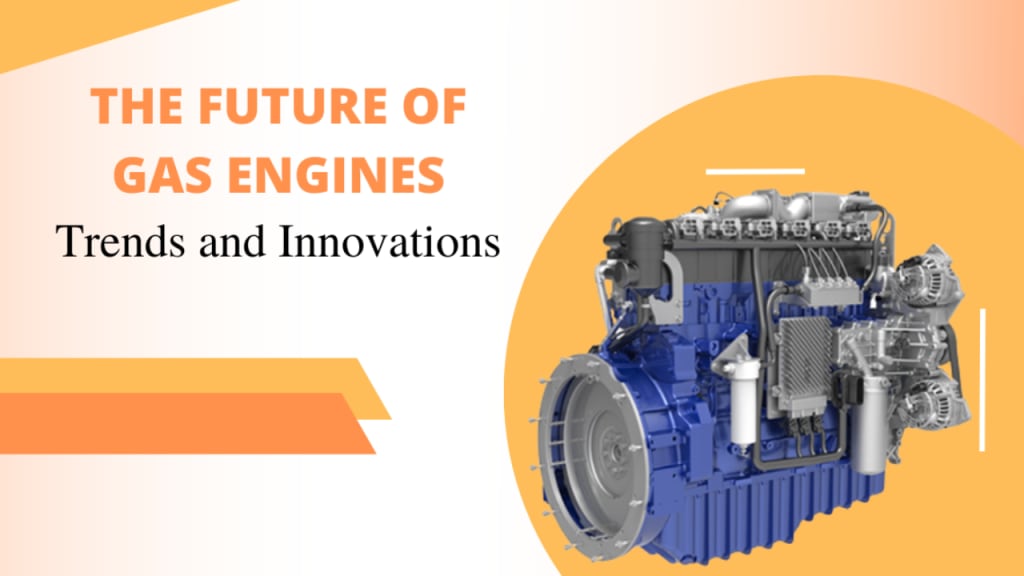
Gas engines have come a long way since their invention in the late 19th century. Today, they are used in a wide range of applications, from power generation to transportation. With the demand for cleaner and more efficient energy solutions increasing, gas engines are set to play an even more important role in the future of energy generation and transportation.
We will explore some of the latest trends and innovations in gas engines.
Trend 1: Decarbonisation
One of the biggest trends in the gas engine industry is the decarbonisation of natural gas. Natural gas is currently the most widely used fuel for gas engines, but it still produces greenhouse gas emissions. However, new technologies are being developed to reduce these emissions, such as carbon capture and storage (CCS) and renewable natural gas (RNG). RNG is produced from organic waste sources, such as landfills and wastewater treatment plants. By using RNG, businesses can significantly reduce their carbon footprint.
Trend 2: Fuel Flexibility
Another trend in gas engines is fuel flexibility. Gas engines are already capable of running on a variety of fuels, including natural gas, propane, and biogas. However, new technologies are being developed to expand this fuel flexibility even further. For example, some gas engines can now run on hydrogen, which produces zero emissions when burned. This makes gas engines an attractive option for businesses that want to reduce their carbon footprint and achieve zero emissions.
Trend 3: Hybridization
Gas engines are also being combined with electric motors to create hybrid powertrains. This hybridization can significantly increase the efficiency of gas engines, particularly in transportation applications. For example, hybrid buses that use gas engines and electric motors have been shown to reduce fuel consumption and emissions compared to traditional buses. Hybridization is also being used in stationary applications, such as power generation, to increase efficiency and reduce emissions.
Innovation 1: Lean-Burn Technology
One of the latest innovations in gas engines is lean-burn technology. Lean-burn gas engines operate with a high air-to-fuel ratio, which reduces emissions and increases efficiency. These engines are becoming increasingly popular in power generation applications, particularly in remote locations where access to the grid is limited. Lean-burn technology can also be used in transportation applications, such as heavy-duty trucks and buses.
Innovation 2: Dual-Fuel Technology
Another innovation in gas engines is dual-fuel technology. Dual-fuel engines can run on a combination of diesel and natural gas, which can significantly reduce emissions and fuel costs. This technology is being used in the marine industry to reduce emissions from shipping vessels. Dual-fuel engines are also being used in the transportation industry to reduce emissions from heavy-duty trucks and buses.
Innovation 3: Microgrids
Gas engines are also being used in microgrid systems, which are combine multiple power sources to provide electricity to small communities or remote areas. And small-scale power grids that can operate independently or in conjunction with the main power grid. Microgrids can help increase energy reliability and reduce dependence on centralized power grids. Microgrids are becoming increasingly popular in remote locations, such as mining sites and island communities, where access to the main power grid is limited. Gas engines are used in microgrids to provide reliable and cost-effective power.
Conclusion:
Gas engines are set to play an important role in the future of energy generation and transportation. Trends such as decarbonisation, fuel flexibility, and hybridization are driving the development of new technologies and applications for gas engines. Innovations such as lean-burn technology, dual-fuel technology, and microgrids are further expanding the capabilities of gas engines. As the demand for cleaner and more efficient energy solutions continues to grow, gas engines will continue to evolve and become even more versatile and sustainable.
See Also: The Uncertain Future of Internal Combustion Engines
About the Creator
Keep reading
More stories from Raktim das and writers in Futurism and other communities.
How To Maintain A Marine Diesel Engine?
Only experts can tell you certain things about marine engines. The same applies to tips regarding the maintenance of the engines. That is when you need to ask the marine diesel engine manufacturer experts because they have some of the finest tips down their sleeves to share with you. Read till the end to find the best ones!
By Raktim das3 years ago in Futurism
Apple’s 2026 Reshuffle: 4 Surprising Shifts Redefining the Post-Ive Era
1. The "New" Apple Takes Shape The ghost of Jony Ive has finally left the building. Apple just concluded a "Big Week" that saw the release of seven distinct products—ranging from the breakthrough MacBook Neo to the M4 iPad Air and AirTag 2—but the real story isn't the hardware. It is the names on the leadership page.
By Tech Horizons3 days ago in Futurism
AI in Visual Effects Market Demand to Hit USD 9.6 Billion By 2033
The Global AI in Visual Effects Market is projected to reach approximately USD 9.6 Billion by 2033, rising from USD 1.6 Billion in 2023, reflecting a CAGR of 19.6% during the forecast period from 2024 to 2033. The market expansion is supported by the increasing use of artificial intelligence technologies in film production, gaming, advertising, and digital media.
By Roberto Crum2 days ago in Futurism
The BAFTA Awards
By now, in a stunning departure from recent years, most of the world is aware of what happened at the BAFTA film awards. Social Media Headlines will tell you the bare bones: that John Davidson, a Tourette's Syndrome advocate, shouted a racial slur at two Actors of Colour, Michael B Jordan and Delroy Lindo.
By Natasja Rose7 days ago in Psyche




Comments
There are no comments for this story
Be the first to respond and start the conversation.