
The Evolution of Gaming: From Console to Cloud
Unleashing Limitless Possibilities: Exploring the Future of Cloud Gaming

Gaming has come a long way since the days of bulky consoles and physical game cartridges. The rapid advancement of technology has paved the way for a new era of gaming, where the power of cloud computing is transforming the way we play, connect, and experience interactive entertainment. In this article, we embark on a journey to explore the evolution of gaming, from traditional console gaming to the exciting realm of cloud gaming. Join us as we delve into the limitless possibilities that cloud gaming brings and discover how it is reshaping the future of the gaming industry.
1. The Rise of Console Gaming:
Console gaming has been a cornerstone of the gaming industry for decades. From the iconic Atari and Nintendo systems to the modern PlayStation and Xbox consoles, gaming enthusiasts have enjoyed immersive experiences powered by dedicated hardware.
Real-Life Example: The release of the PlayStation 5 and Xbox Series X showcased the cutting-edge capabilities of console gaming, delivering stunning graphics, enhanced performance, and immersive gameplay.
2. The Emergence of Cloud Gaming:
Cloud gaming is revolutionizing the way games are played, removing the limitations imposed by hardware constraints. By leveraging the power of cloud computing, gamers can access and play games on various devices without the need for expensive consoles or physical game copies.
Real-Life Example: Google Stadia, NVIDIA GeForce Now, and Microsoft's Xbox Cloud Gaming (formerly known as Project xCloud) are prominent cloud gaming platforms that allow gamers to stream and play a wide range of games on devices such as smartphones, tablets, and smart TVs.
3. Seamless Gaming Anytime, Anywhere:
Cloud gaming eliminates the need for downloading or installing games, offering instant access to a vast library of titles. With cloud-based infrastructure handling the processing power, gamers can enjoy high-quality gaming experiences on devices that were traditionally not capable of running graphically intensive games.
Real-Life Example: The success of mobile gaming platforms like Apple Arcade and Google Play Pass highlights the growing popularity of cloud gaming on smartphones and tablets, allowing gamers to enjoy console-like experiences on the go.
4. Collaborative and Social Gaming Experiences:
Cloud gaming enables seamless multiplayer experiences, connecting gamers from different devices and geographical locations. The ability to instantly join multiplayer sessions and engage with friends and communities enhances the social aspect of gaming, fostering collaboration and competition.
Real-Life Example: Games like Fortnite and Apex Legends have become cultural phenomena, with millions of players across the globe joining forces or competing against each other in real-time, regardless of the devices they are using.
5. Access to a Diverse Gaming Library:
Cloud gaming platforms offer a vast and ever-expanding library of games, catering to a wide range of preferences and genres. From AAA titles to indie gems, gamers can explore a diverse catalog and discover new gaming experiences without the need for physical copies or extensive downloads.
Real-Life Example: Xbox Game Pass, a popular subscription service by Microsoft, provides access to a vast library of games, including day-one releases. Subscribers can enjoy a rotating selection of games for a fixed monthly fee, offering incredible value and variety.
6. Overcoming Challenges and Expanding Access:
While cloud gaming presents exciting possibilities, challenges such as internet connectivity, latency, and data privacy need to be addressed. However, as internet infrastructure continues to improve, and technologies like 5G become more widespread, these hurdles are gradually being overcome.
Real-Life Example: Amazon Luna, Amazon's cloud gaming service, is designed to reduce latency and provide a seamless gaming experience. By leveraging Amazon's global cloud infrastructure, Luna aims to address the challenges associated with cloud gaming.
Conclusion:
The evolution of gaming from traditional consoles to cloud-based platforms signifies a paradigm shift in the gaming industry. Cloud gaming
offers unprecedented accessibility, convenience, and social connectivity, transforming how gamers engage with their favorite titles. As technology continues to advance, we can expect cloud gaming to become even more immersive, interactive, and inclusive, opening up new frontiers for the gaming community. Embrace the future of gaming and embark on a journey where the possibilities are limitless, and the joy of gaming knows no boundaries.
About the Creator
Keep reading
More stories from Godzilla 1988 and writers in Futurism and other communities.
The Impact of Social Media on Society: Unveiling the Pros, Cons, and Future
Social media has revolutionized the way we connect, communicate, and share information. From the rise of Facebook and Twitter to the emergence of Instagram, Snapchat, and TikTok, these platforms have become an integral part of our daily lives. However, the impact of social media on society is a topic of ongoing debate. In this article, we delve into the pros, cons, and future implications of social media, shedding light on its transformative power, potential pitfalls, and the evolving landscape of digital connectivity. Join us on this journey as we explore the multifaceted impact of social media on individuals, communities, and the world at large.
By Godzilla 19883 years ago in Futurism
Biogas Plants Market To Reach USD 9.4 Billion by 2034 at 7.6% CAGR
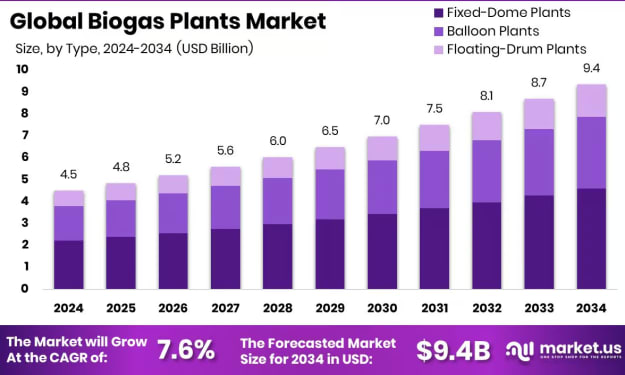
Overview The Biogas Plants Market is projected to experience steady growth over the coming decade, driven by increasing demand for renewable energy and sustainable waste management solutions. The market is expected to be worth around USD 9.4 billion by 2034, up from USD 4.5 billion in 2024, growing at a compound annual growth rate (CAGR) of 7.6% from 2025 to 2034. Biogas plants convert organic waste such as agricultural residues, food waste, and animal manure into renewable energy in the form of biogas, which can be used for electricity generation, heating, and transportation fuel.
By Hayden Kulasa day ago in Futurism
Thermal Paper Market: POS Receipt Demand, Retail Digitization & Industry Growth Outlook
According to IMARC Group's latest research publication, The global thermal paper market size was valued at USD 4.7 Billion in 2025. Looking forward, IMARC Group estimates the market to reach USD 6.9 Billion by 2034, exhibiting a CAGR of 4.22% during 2026-2034.
By sujeet. imarcgroup2 days ago in Futurism



Comments