
The Impact of Social Media on Society: Unveiling the Pros, Cons, and Future
Unleashing the Power of Social Media: Navigating its Influence in the Digital Age
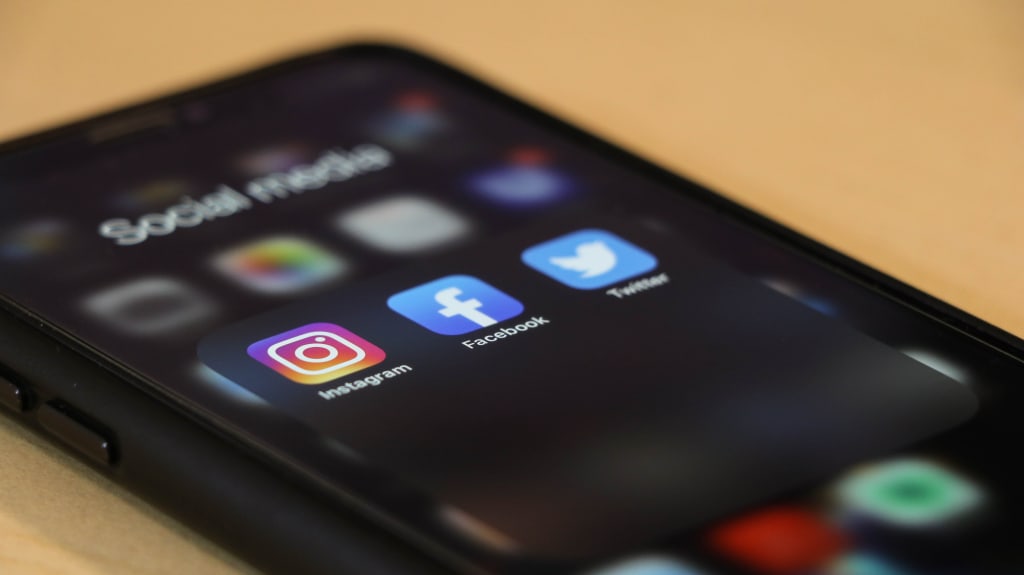
Social media has revolutionized the way we connect, communicate, and share information. From the rise of Facebook and Twitter to the emergence of Instagram, Snapchat, and TikTok, these platforms have become an integral part of our daily lives. However, the impact of social media on society is a topic of ongoing debate. In this article, we delve into the pros, cons, and future implications of social media, shedding light on its transformative power, potential pitfalls, and the evolving landscape of digital connectivity. Join us on this journey as we explore the multifaceted impact of social media on individuals, communities, and the world at large.
1. The Power of Connection and Engagement:
Social media platforms provide unparalleled opportunities for connecting with friends, family, and communities across the globe. They foster a sense of belonging, facilitate information sharing, and enable individuals to express their thoughts, creativity, and passions.
Real-Life Example: During the COVID-19 pandemic, social media became a vital tool for maintaining social connections, organizing community support, and spreading awareness about health guidelines and resources.
2. Amplifying Voices and Empowering Movements:
Social media has empowered individuals to raise their voices and advocate for social causes. It has played a pivotal role in amplifying movements such as #MeToo, #BlackLivesMatter, and #ClimateStrike, enabling marginalized voices to be heard and sparking social change.
Real-Life Example: The Arab Spring uprisings in 2010 showcased the power of social media in mobilizing masses, organizing protests, and sharing real-time information, ultimately leading to political transformations across the Middle East.
3. Information Access and Citizen Journalism:
Social media has democratized information access, allowing individuals to become citizen journalists, sharing news, events, and stories in real time. It has disrupted traditional media channels, offering diverse perspectives and fostering a more inclusive media landscape.
Real-Life Example: The Arab Spring uprisings in 2010 showcased the power of social media in mobilizing masses, organizing protests, and sharing real-time information, ultimately leading to political transformations across the Middle East.
4. Mental Health and Well-being:
While social media offers connectivity, it also presents challenges to mental health and well-being. The constant exposure to curated online lives, cyberbullying, and social comparison can lead to anxiety, depression, and low self-esteem.
Real-Life Example: Studies have highlighted the negative impact of excessive social media use on mental health, particularly among young people, emphasizing the need for responsible use and digital well-being practices.
5. Fake News and Misinformation:
The rapid spread of misinformation and fake news on social media platforms has emerged as a significant concern. False narratives, conspiracy theories, and manipulated content can have far-reaching consequences, influencing public opinion and eroding trust in reliable sources of information.
Real-Life Example: The spread of false information about COVID-19 vaccines on social media has fueled vaccine hesitancy and hindered public health efforts to control the pandemic.
6. Privacy and Data Security:
Social media platforms collect vast amounts of personal data, raising concerns about privacy and data security. Instances of data breaches and misuse of personal information have underscored the importance of robust privacy settings and user awareness.
Real-Life Example: The Cambridge Analytica scandal revealed how social media data was harvested without user consent, highlighting the need for stronger data protection regulations and user control over personal information.
7. Evolving Landscape and Future Implications:
The future of social media holds both challenges and opportunities. With the advent of new technologies like virtual reality, augmented reality, and artificial intelligence, social media is expected to undergo
further transformation, shaping how we connect, consume information, and engage with digital content.
Conclusion:
Social media has undeniably reshaped society, redefining communication, activism, and the way we experience the world. While it offers tremendous benefits in terms of connection, information sharing, and advocacy, it also presents risks related to mental health, misinformation, and privacy. As users, it is crucial to approach social media with awareness, critical thinking, and digital literacy. By harnessing the positive potential of social media while navigating its challenges, we can collectively shape a future where social media serves as a force for positive change, fostering connection, empowerment, and meaningful engagement in the digital age.
About the Creator
Keep reading
More stories from Godzilla 1988 and writers in Futurism and other communities.
Unveiling the Rising Stars: Emerging Tech Startups to Watch in 2023
In the dynamic landscape of technology and entrepreneurship, new startups are constantly emerging, bringing groundbreaking ideas, innovations, and disruptive solutions. As we embark on the exciting journey of 2023, it's time to shine the spotlight on the most promising tech startups that are poised to make a significant impact in the industry. In this article, we unveil the rising stars, exploring their innovative offerings, the problems they aim to solve, and their potential to shape the future. Join us as we delve into the world of emerging tech startups and discover the remarkable potential they hold.
By Godzilla 19883 years ago in Futurism
About Binding Prometheus
I want to start actively advocating on behalf of my own work, and the most valuable part of my canon is, without a doubt, Binding Prometheus, the play I have been working on since 2019 and only finished in 2023 as part of my MA. The play itself is an amalgamation of a million different inspirations. On one end, it evokes the Ancient Greek myth-play, deriving its own title from the earliest extant work of Western drama we have, Aeschylus’s Prometheus Bound. On the other end, it borrows significantly from the sci-fi bulwarks from over the years, namely Mary Shelley’s Frankenstein and Karel Capek’s Rossum’s Universal Robots. The play could be an episode of Black Mirror, I fear. I don’t know. I’ve only ever seen one episode of Black Mirror.
By Steven Christopher McKnight19 days ago in Futurism
Tissue Paper Market Size and Forecast 2025–2033
Introduction The global tissue paper industry, once viewed as a low-involvement consumer staple, has undergone a significant transformation in recent years. According to Renub Research, the worldwide Tissue Paper Market is projected to grow from US$ 62.47 billion in 2024 to US$ 103.59 billion by 2033, registering a compound annual growth rate (CAGR) of 5.78% during 2025–2033. This steady expansion reflects a combination of rising hygiene awareness, accelerating urbanization, and increasing reliance on convenient, disposable products across residential and commercial environments.
By Aaina Oberoi5 days ago in Futurism



Comments