
The Evolution of Financial Development
From Brick-and-Mortar Banks to Borderless Digital Worlds."

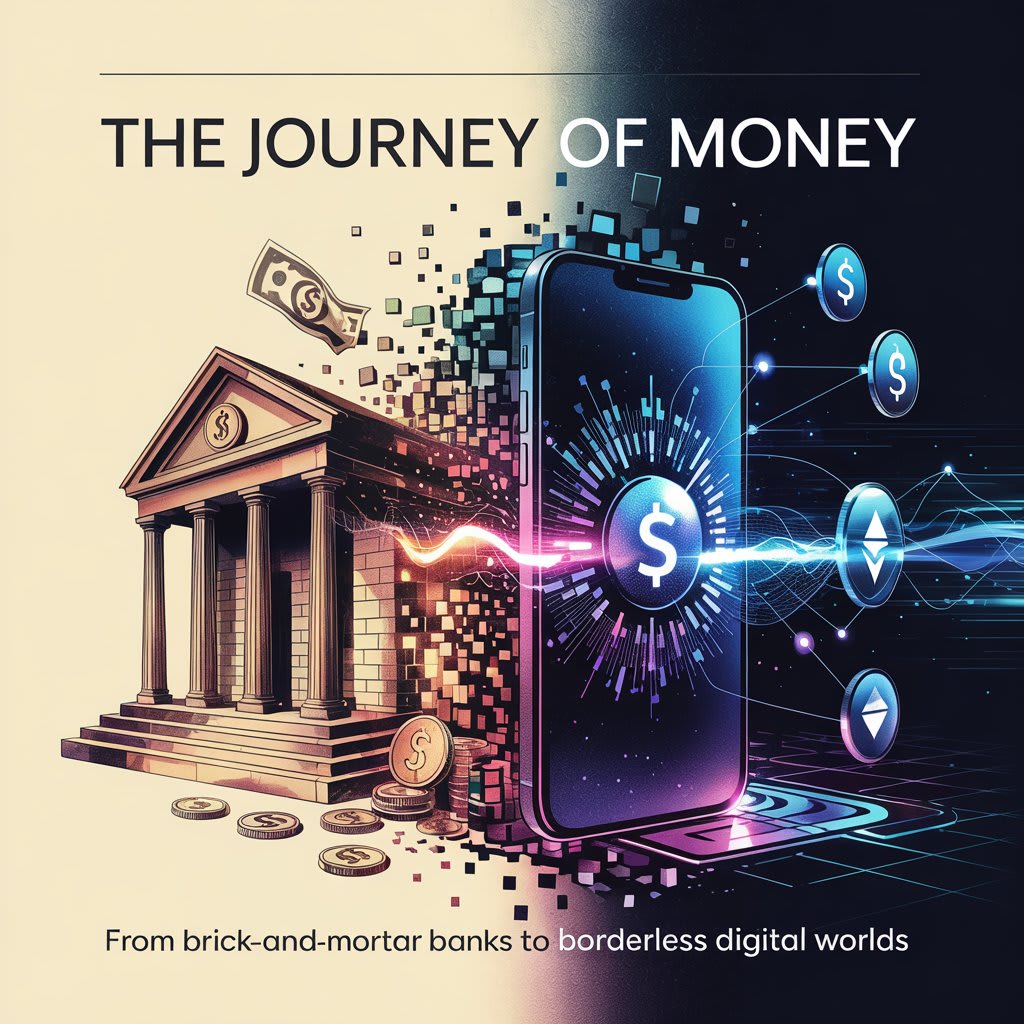
nce upon a time, money was simple. People traded goods like cows, wheat, and gold coins. There were no banks, no credit cards, and certainly no apps to transfer money with a click. Life was basic, but it worked — until people needed something better.
As villages grew into cities, the world needed a safer way to keep money. Carrying gold everywhere was dangerous. So, the first banks were born. These banks were strong buildings made of stone and brick. They had thick doors, big locks, and serious guards. People trusted these banks to protect their money.
Banks became the heart of every town. Inside, people deposited their gold, borrowed money for farming or starting a business, and saved for their future. Bankers kept big leather books where every transaction was written by hand. It was slow, but it was safe.
As time passed, the world changed. Ships started crossing oceans, carrying spices, silk, and silver. Trade between countries grew, and with it, the need for new financial systems. Paper money appeared — easier to carry than heavy coins. Banks also became smarter, helping people send money to faraway lands. Still, banking was something you did by walking into a building, standing in line, and signing papers with a pen.
Then came the 20th century — the age of speed. Trains, cars, airplanes, and telephones connected people faster than ever. Banks had to keep up. They introduced checks, ATMs, and credit cards. Suddenly, you didn’t always need to visit a bank to get your money. You could swipe a card at a shop or withdraw cash from a machine. It was magic!
But the real revolution started with the rise of computers and the internet. In the late 1990s and early 2000s, online banking was born. Now, people could check their balance, pay bills, and move money without leaving their homes. No more waiting in long lines. No more bank hours. Banking was becoming a 24/7 service.
And then — smartphones changed everything again.
With a small device in your hand, you could open a bank account, send money across the world, invest in stocks, and even get a loan — all without talking to a banker. New companies, called "fintechs" (short for financial technology), entered the game. They weren’t traditional banks. They were apps, websites, and digital platforms that made banking faster, cheaper, and easier.
Money itself started changing. In 2009, a mysterious person (or group) named Satoshi Nakamoto introduced Bitcoin — the first digital currency, also called cryptocurrency. Bitcoin didn’t need banks at all. It worked through a technology called blockchain — a secure, public record of transactions that anyone could see but no one could cheat.
Suddenly, the idea of money moved beyond borders. You didn’t need a local bank account to hold or send Bitcoin. It didn’t matter if you were in New York, Nairobi, or New Delhi — digital money connected people everywhere.
Today, we are living in a world where traditional banks and digital platforms are blending. Many people still trust brick-and-mortar banks for big things like mortgages or savings. But for everyday tasks, millions are using digital wallets like PayPal, Google Pay, and Apple Pay. Some people even use crypto wallets for buying things online or investing.
Financial development has not only made life more convenient — it has opened doors for people who were left out before. In the past, millions had no access to banks because they lived too far from cities or didn’t have the right documents. Now, with just a phone and internet connection, they can save money, borrow for their business, and plan for their future.
Of course, there are challenges. Digital banking must be safe. Cybercrime is a real danger, and not everyone understands how to protect themselves online. Regulators and governments are working hard to set rules that make digital finance safe for everyone.
Looking ahead, the journey of money is far from over. Experts talk about "Web3" — a new version of the internet where people own their own digital identities and money flows freely across virtual worlds. Imagine paying for a virtual car in a video game using real money from your digital wallet!
From carrying heavy coins in leather bags to tapping a phone screen in seconds, the journey of money is a story of human innovation, trust, and dreams. The walls of old banks may still stand in many towns, but the future of finance is borderless, paperless, and limitless.
And the best part? This is just the beginning.
About the Creator
Keep reading
More stories from writers in Futurism and other communities.
About Binding Prometheus
I want to start actively advocating on behalf of my own work, and the most valuable part of my canon is, without a doubt, Binding Prometheus, the play I have been working on since 2019 and only finished in 2023 as part of my MA. The play itself is an amalgamation of a million different inspirations. On one end, it evokes the Ancient Greek myth-play, deriving its own title from the earliest extant work of Western drama we have, Aeschylus’s Prometheus Bound. On the other end, it borrows significantly from the sci-fi bulwarks from over the years, namely Mary Shelley’s Frankenstein and Karel Capek’s Rossum’s Universal Robots. The play could be an episode of Black Mirror, I fear. I don’t know. I’ve only ever seen one episode of Black Mirror.
By Steven Christopher McKnight23 days ago in Futurism
Laptop Market Size and Forecast 2025–2033: Global Industry Outlook, Growth Drivers, and Future Trends
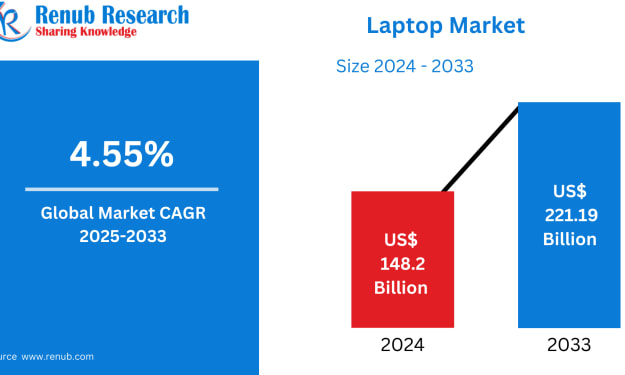
Global Laptop Market Outlook 2025–2033 The Global Laptop Market is entering a new phase of sustained growth, driven by evolving work cultures, rapid digital transformation, and rising demand for portable computing solutions. According to Renub Research, the global laptop market was valued at US$ 148.2 billion in 2024 and is expected to reach US$ 221.19 billion by 2033, growing at a CAGR of 4.55% from 2025 to 2033.
By Aaina Oberoiabout 17 hours ago in Futurism
How to Succeed at the Benson Directory®
Congratulations and welcome to the Benson Directory® employee #22391! As our newest call handler, you will have the privilege of speaking with dozens of unique and interesting people on a daily basis as well as the opportunity to earn bonuses for high performance. Contained within this handbook you will find a set of ease to follow instructions designed to help you settle in to your new role and begin paving the way to success.
By S. A. Crawford7 days ago in Fiction



Comments (1)
Share your thoughts in comment ❣️👋