
"The Digital Mind: Merging Human Intelligence with Technology"
"The Digital Mind: Merging Human Intelligence with Technology"
# **The Digital Mind: Merging Human Intelligence with Technology**
*Exploring the fusion of AI and the human brain in the era of advanced neurotechnology.*
## **Introduction: The Age of Human-AI Synergy**
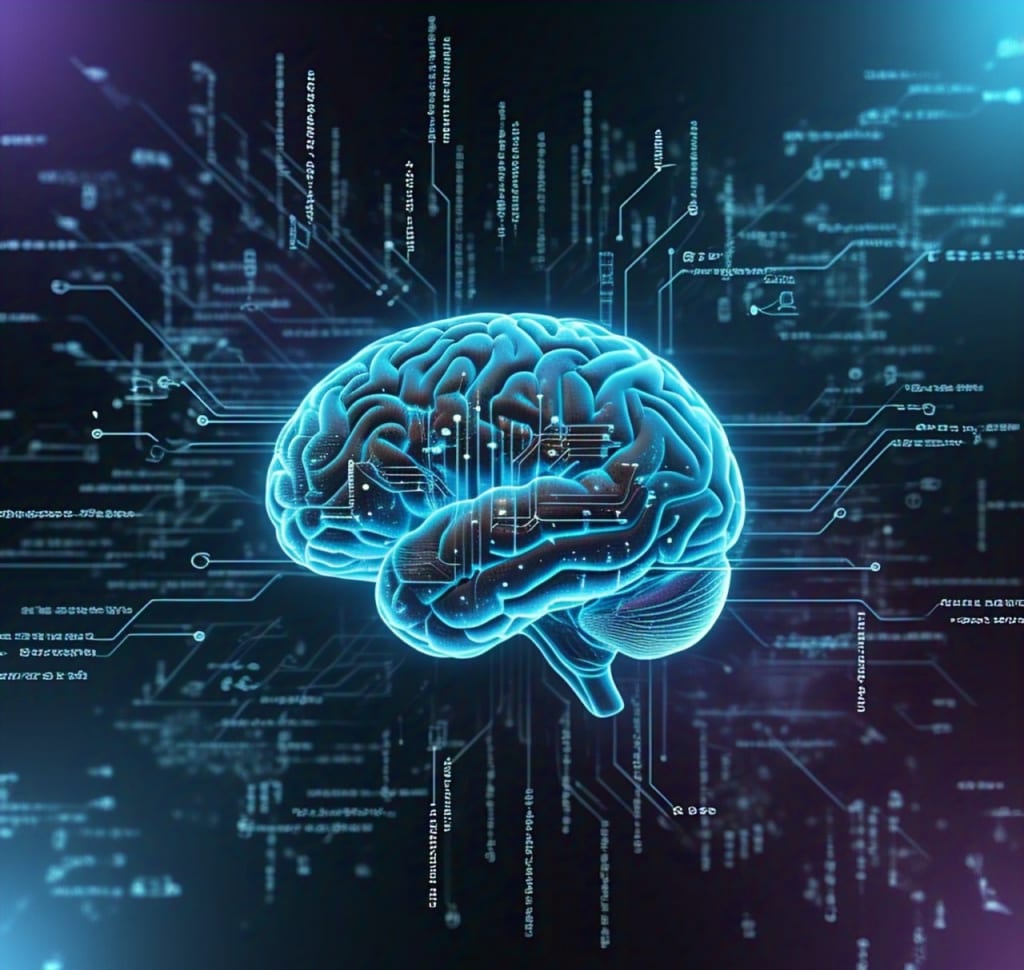
Technology is evolving at an unprecedented pace, and artificial intelligence (AI) is at the heart of this transformation. The image of a glowing brain, interwoven with digital circuits, is more than just a futuristic vision—it is a glimpse into the reality of human intelligence merging with machine power. The lines between biology and technology are blurring, bringing us closer to an era where AI and neural integration could redefine the limits of human potential.
This article explores the rise of AI, brain-computer interfaces (BCIs), the ethical dilemmas they pose, and what the future may hold as we stand at the threshold of a new digital evolution.
---
## **The Rise of AI and Neural Integration**
The human brain is one of the most complex structures in existence, processing vast amounts of information through an intricate network of neurons. Scientists and engineers have long sought to replicate this cognitive power through artificial intelligence.
Modern AI systems, including deep learning and neural networks, are modeled after the way the human brain functions. These systems allow computers to perform tasks that once required human intelligence—such as recognizing speech, analyzing images, predicting trends, and even making decisions. The circuits in the image symbolize how AI processes information, mirroring the neural pathways of our own minds.
But what happens when these two realms—biological intelligence and artificial intelligence—merge? The answer lies in brain-computer interfaces.
---
## **Brain-Computer Interfaces: A Gateway to the Future**
Brain-computer interfaces (BCIs) represent one of the most groundbreaking developments in neuroscience and AI. BCIs allow direct communication between the human brain and external devices, enabling users to control technology with their thoughts alone.
Some key advancements in this field include:
- **Neural Implants:** Devices like Neuralink aim to implant ultra-thin electrodes in the brain, allowing individuals to interact with computers, prosthetics, or even other humans through thought.
- **Mind-Controlled Prosthetics:** BCIs have already been used to help individuals with paralysis regain movement by controlling robotic limbs.
- **Cognitive Enhancement:** Future developments may allow memory augmentation, enhanced learning capabilities, and even digital telepathy, where thoughts could be transmitted between individuals via AI.
The glowing brain in the image represents more than just intelligence—it embodies the limitless possibilities of human-AI collaboration. But with such power comes great responsibility.
---
## **The Ethical Dilemmas of Man-Machine Integration**
As AI and brain-computer interfaces continue to advance, ethical concerns become more pressing.
1. **Privacy and Security:** If a BCI can read and transmit thoughts, who controls this data? Could it be hacked or manipulated?
2. **Loss of Human Autonomy:** As AI systems grow smarter, there is concern that humans may become overly reliant on technology, potentially diminishing independent thinking.
3. **The Digital Divide:** Will brain-enhancing technology be available only to the wealthy, creating an even greater divide between socioeconomic classes?
4. **AI Supremacy:** Could AI surpass human intelligence and gain control over critical decision-making, leading to unforeseen consequences?
These concerns highlight the need for strict regulations and ethical guidelines to ensure that AI remains a tool for progress rather than a potential threat to human existence.
---
## **A Vision of Tomorrow: The Future of AI-Human Coexistence**
Despite the challenges, the integration of AI and human intelligence holds extraordinary potential. Imagine a world where:
- Individuals with disabilities regain full mobility through AI-powered prosthetics.
- Students learn new skills instantly by uploading knowledge directly into their brains.
- Scientists use AI to accelerate research in medicine, uncovering cures for diseases at record speeds.
- Humans and AI work side by side, solving global challenges such as climate change, food scarcity, and space exploration.
The image of the glowing brain connected to circuits serves as a powerful symbol of this future—a future where technology does not replace humanity, but enhances it.
---
## **Conclusion: Are We Ready for the Next Evolution of Intelligence?**
As we stand on the precipice of a new era, one thing is clear: AI and human intelligence are not separate entities, but partners in shaping the future. The fusion of mind and machine offers boundless opportunities, but it also demands caution, responsibility, and ethical foresight.
The digital mind is no longer just a concept—it is a reality unfolding before our eyes. The question is, are we prepared to embrace this transformation while ensuring that humanity remains at its core?
The future is not just artificial—it is intelligently human.
About the Creator
Keep reading
More stories from Rabia Rizwan and writers in Futurism and other communities.
About Binding Prometheus
I want to start actively advocating on behalf of my own work, and the most valuable part of my canon is, without a doubt, Binding Prometheus, the play I have been working on since 2019 and only finished in 2023 as part of my MA. The play itself is an amalgamation of a million different inspirations. On one end, it evokes the Ancient Greek myth-play, deriving its own title from the earliest extant work of Western drama we have, Aeschylus’s Prometheus Bound. On the other end, it borrows significantly from the sci-fi bulwarks from over the years, namely Mary Shelley’s Frankenstein and Karel Capek’s Rossum’s Universal Robots. The play could be an episode of Black Mirror, I fear. I don’t know. I’ve only ever seen one episode of Black Mirror.
By Steven Christopher McKnight16 days ago in Futurism
Saudi Arabia E-Commerce Market: Rising Online Adoption, Digital Payments & Demand Growth
According to IMARC Group's latest research publication, Saudi Arabia e-commerce market size reached USD 222.9 Billion in 2024. The market is projected to reach USD 708.7 Billion by 2033, exhibiting a growth rate (CAGR) of 12.8% during 2025-2033.
By Suhaira Yusuf5 days ago in Futurism
Silver Screen Magic with Mae West
American actress and singer Mae West became a popular film actress during the Great Depression. She started entertaining in vaudeville, then performed on Broadway, and finally went to Hollywood. She signed up with Paramount Pictures and made her debut in the 1932 film “Night After Night.” She also starred in musicals, comedies, and crime dramas. The American Film Institute named her one of the best classic Hollywood actresses.
By Rasma Raisters4 days ago in Geeks


Comments
There are no comments for this story
Be the first to respond and start the conversation.