
The Critical Role of Automation in Interstellar Space Missions
What we need to understand...

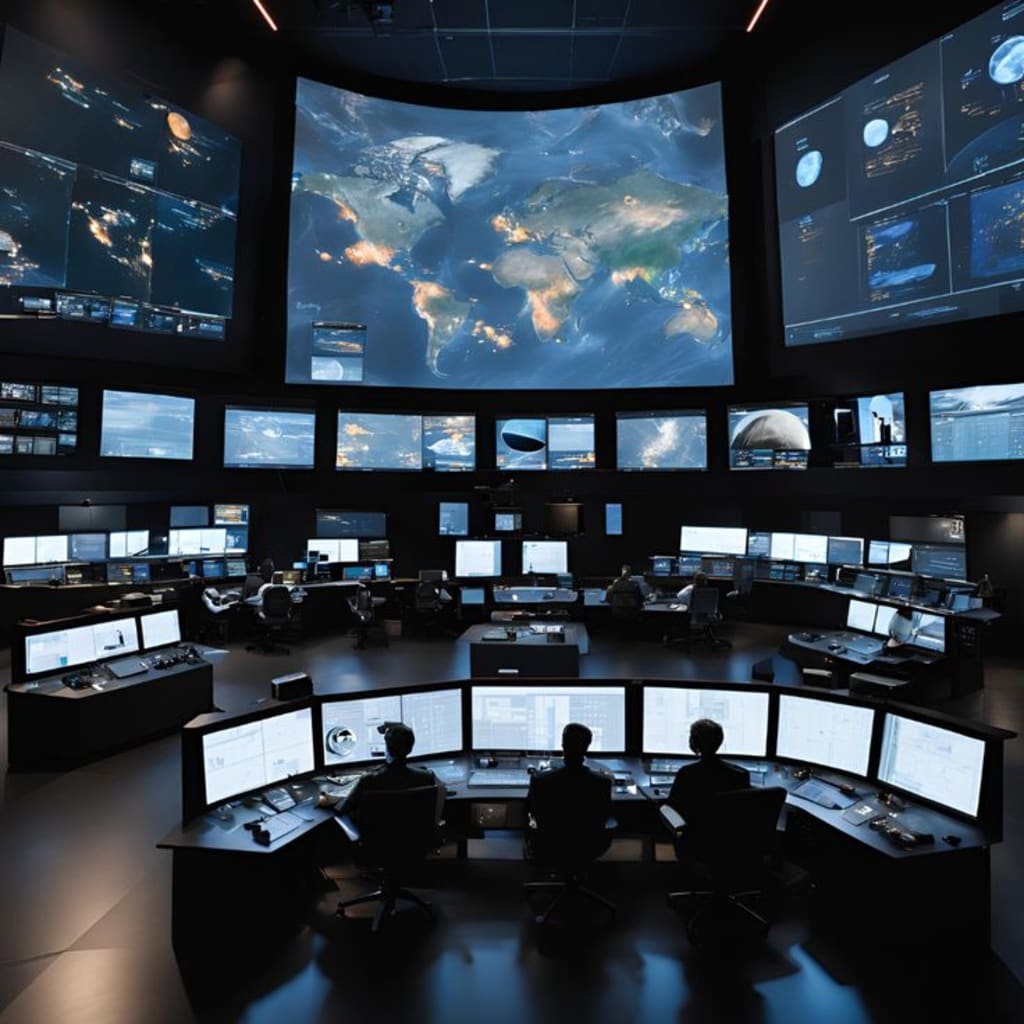
Interstellar space exploration is a testament to human ingenuity and ambition, representing our drive to push beyond the confines of Earth and uncover the mysteries of the cosmos. These missions, however, come with unprecedented challenges, requiring innovative solutions to navigate vast distances, hostile environments, and finite resources.
One key solution lies in automation—integrating advanced technologies that empower spacecraft to operate independently, make critical decisions, and adapt to unexpected scenarios. Automation is not merely a convenience in these missions; it is an absolute necessity. Among the organizations advancing this transformative technology is NEEL-INITIATIVE, led by Vyankatesh Sharma, a trailblazer in the field of robust Artificial Intelligence (AI) for space applications.
This article examines the unique challenges of interstellar missions, the indispensable role of automation in overcoming these obstacles, and the groundbreaking contributions of NEEL-INITIATIVE to the future of space exploration.
Challenges of Interstellar Exploration:
Interstellar missions are characterized by their extreme complexity, requiring innovative strategies to ensure success over potentially decades-long timeframes.
Distance and Communication Delays:
The vast distances involved in interstellar travel create significant communication barriers. For instance, a spacecraft traveling to Alpha Centauri, the nearest star system, would take over four years to receive a single signal from Earth. With such delays, real-time guidance from ground control is impossible.
In these scenarios, spacecraft must function autonomously, making decisions in real-time to handle course corrections, manage resources, and respond to potential emergencies. This autonomy ensures that critical tasks are not hindered by communication delays.
Harsh and Unpredictable Environments:

The interstellar medium is fraught with challenges, including high levels of radiation, extreme temperature fluctuations, and collisions with micrometeoroids. Spacecraft must be equipped to identify these threats, assess the risks, and take immediate action to mitigate potential damage.
The unpredictability of these environments requires not just advanced hardware but intelligent systems capable of learning and adapting to new situations as they arise.
Limited Resources and Mission Longevity:
Interstellar missions often span decades, necessitating the efficient use of resources such as fuel, energy, and onboard components. The inability to resupply necessitates self-sustaining systems that can maximize resource utilization and minimize waste.
Additionally, systems must have the ability to repair themselves or adapt to component failures, ensuring longevity even in the face of technical malfunctions.
The Role of Automation in Interstellar Missions:
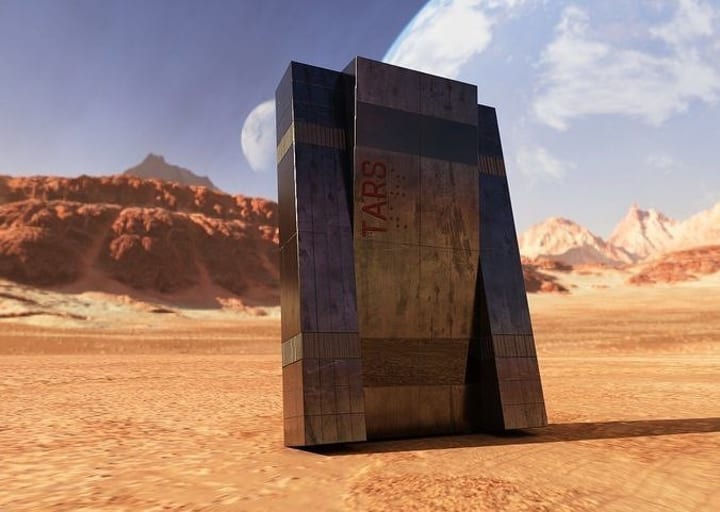
Automation is at the core of addressing the unique challenges of interstellar exploration. By integrating advanced AI and machine learning, spacecraft gain the capability to operate independently, optimize resource usage, and ensure mission success under extreme conditions.
Autonomous Navigation Systems:
Navigating interstellar distances requires sophisticated AI-driven systems capable of charting courses, adjusting trajectories, and avoiding obstacles without human intervention. These systems utilize real-time data from onboard sensors to make decisions that align with mission objectives.
For instance, automated navigation can reroute a spacecraft to avoid hazardous regions, such as high-radiation zones or dense asteroid fields, while maintaining an optimal path to its destination.
Intelligent Resource Management:
Efficient resource management is crucial for the survival of long-duration missions. Automated systems monitor and regulate the use of consumables such as energy and fuel, ensuring that spacecraft remain operational throughout their journey.
AI-driven systems prioritize critical operations and dynamically reallocate resources during emergencies, ensuring the success of the mission even under unforeseen circumstances.
System Health Monitoring and Self-Repair:
Automation extends to maintaining the spacecraft’s health through continuous monitoring and diagnostics. Predictive maintenance systems can detect potential issues before they become critical, allowing for timely interventions. Self-repair technologies, often involving robotics and AI, enable spacecraft to address malfunctions autonomously. For example, robotic systems can replace damaged components or reroute power around faulty circuits, ensuring that the spacecraft remains functional.
NEEL-INITIATIVE: Shaping the Future of Space Automation
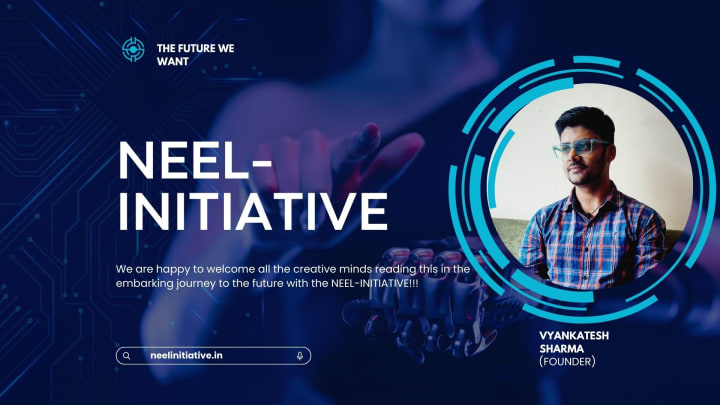
Under the leadership of Vyankatesh Sharma, NEEL-INITIATIVE is spearheading advancements in automation for interstellar missions. The company’s commitment to innovation and excellence has positioned it as a leader in developing robust AI systems that address the challenges of space exploration.
Vision and Mission:
NEEL-INITIATIVE aims to bridge the gap between theoretical advancements and practical applications in space technology. By creating AI systems that are adaptive, intelligent, and reliable, the company is enabling spacecraft to operate autonomously in the most challenging environments.
Key Innovations:
The company’s groundbreaking innovations include:
Adaptive AI Frameworks: Systems that evolve and learn from their environment, enabling spacecraft to respond to unforeseen circumstances with greater efficiency.
Advanced Navigation Algorithms: AI-driven tools that ensure precise course corrections and hazard avoidance.
Self-Sustaining Technologies: Solutions for autonomous repair and resource optimization that extend mission lifespans.
Achievements and Future Goals:
NEEL-INITIATIVE has successfully developed and tested AI-driven prototypes designed for long-duration space missions. Moving forward, the company is collaborating with space agencies to integrate its technologies into upcoming interstellar probes and human-centric missions, paving the way for a new era of exploration.
The Future of Automated Space Missions:
The integration of automation and AI in space missions is shaping the future of interstellar exploration, enabling new possibilities and redefining humanity’s relationship with the cosmos.
Fully Autonomous Spacecraft:
Future spacecraft will be equipped with AI systems capable of independently managing every aspect of their mission. From navigation and system health to scientific research and data transmission, these vessels will operate with minimal human intervention.
Enabling Human Colonization:
Automation will play a pivotal role in human settlement on other planets and star systems. AI will oversee habitat construction, resource allocation, and life support systems, ensuring the sustainability of extraterrestrial colonies.
Advancing Scientific Discovery:
Autonomous systems will empower spacecraft to conduct complex scientific experiments, analyze data, and transmit findings back to Earth. These capabilities will expand our understanding of the universe and uncover new opportunities for exploration.
Conclusion:
Interstellar exploration is humanity’s boldest venture, requiring innovation, determination, and resilience. Automation serves as the foundation of this endeavor, addressing the unique challenges of interstellar missions and paving the way for unprecedented achievements.
Companies like NEEL-INITIATIVE, led by Vyankatesh Sharma, are at the forefront of this revolution, developing the advanced AI systems that make autonomous space exploration possible. Their work not only advances the field but also inspires a future where humanity can thrive among the stars.
The dream of interstellar travel is no longer a distant vision but an achievable reality, driven by the power of automation and human ingenuity.
About the Creator
Vyankatesh Sharma
CEO of NEEL-INITIATIVE, leads advancements in AI and automation, driving innovation in interstellar exploration,passionate about empowering space missions with cutting-edge tech, he envisions a future where humanity thrives among the stars.
Keep reading
More stories from writers in Futurism and other communities.
Microcontroller Market Trends: IoT Expansion, Smart Devices Growth & Forecast to 2034
Rising integration of microcontrollers across smart devices, connected vehicles, and industrial automation is reshaping the global electronics landscape. Backed by explosive IoT growth, accelerating electric vehicle production, and the rapid shift toward edge intelligence, the microcontroller market is entering a new and sustained growth phase. According to IMARC Group's latest data, the global microcontroller market size reached USD 28.7 Billion in 2024. Looking forward, IMARC Group expects the market to reach USD 58.3 Billion by 2033, exhibiting a growth rate (CAGR) of 7.55% during 2025-2033. Asia Pacific currently dominates the market, holding the largest market share.
By Suhaira Yusuf5 days ago in Futurism
Specialty Polymers Market: Automotive & Aerospace Lightweighting Trends & Market Forecast
According to IMARC Group's latest research publication, the global specialty polymers market size reached USD 92.19 Billion in 2025. Looking forward, IMARC Group expects the market to reach USD 159.33 Billion by 2034, exhibiting a growth rate (CAGR) of 5.74% during 2026-2034.
By sujeet. imarcgroup6 days ago in Futurism
A System That Isn’t Working Challenge Winners
Systems promise order. They organize behavior, distribute opportunity, and suggest that if everyone follows the rules, things will work. The entries in A System That Isn’t Working look closely at what happens when that promise begins to slip.
By Vocal Curation Team5 days ago in Resources



Comments (1)
Automation propels interstellar exploration, with NEEL-INITIATIVE pioneering AI for the cosmos