
The age of Hybrids
Coexistence of Human and Enhanced. Tomorrow's utopia challenge.

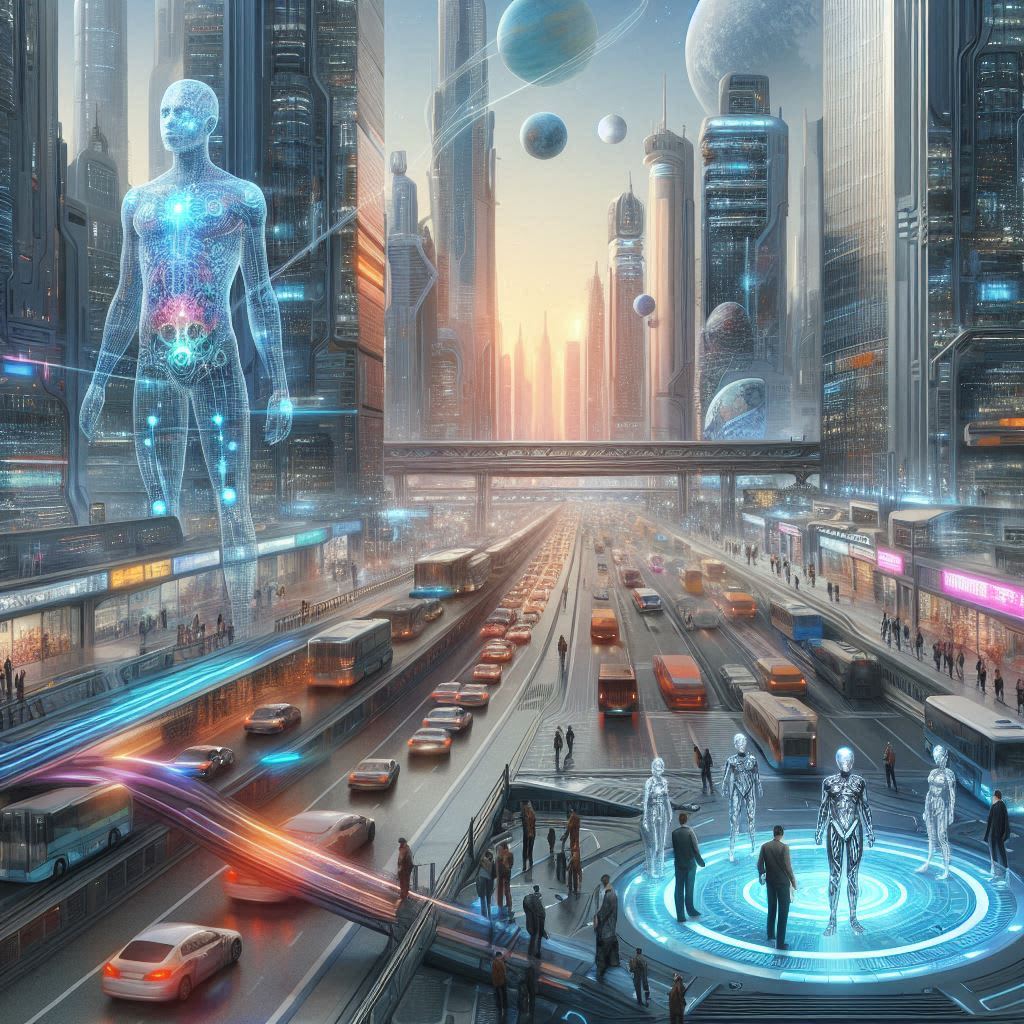
In the year 2058, Human and selective animal DNA were being combined to create a new world order. Genetically, this was no longer a hypothetical idea. The world as we knew it had changed.

Once only an ambitious and intriguing forbidden scenario, the concept of combining human and animal DNA often fell into the realm of science fiction. Now we were living proof of this technological miracle.
The Scientific Foundation for HumBryd Technology had revolutionized the phenomenal idea. Their Genetic Engineering process started with advancements in CRISPR technology, enabling precise editing of genes.
CRISPR (“clustered regularly interspaced short palindromic repeats”) is a technology that research scientists use to selectively modify the DNA of living organisms. CRISPR was adapted for use in the laboratory from naturally occurring genome editing systems found in bacteria.
Scientists would identify and isolate beneficial traits from various animals—such as the strength of a bear, the agility of a cheetah, or the vision of an eagle. These traits would be mapped and understood to determine how they could be integrated with human DNA.
They then moved on to Gene Splicing: Combining human and animal DNA would require complex gene splicing techniques. Scientists would create synthetic chromosomes that incorporate both human and animal genes. The challenge here would be ensuring that the resulting hybrid DNA is stable and functional.
There were Ethical Considerations to be dealt with. This stage would involve a significant amount of ethical debate. Questions about the morality of creating hybrids, their rights, and their place in society would need to be addressed. International regulatory bodies would set stringent guidelines and oversight to prevent misuse.
Following the laws and rules of the various governing bodies, the Development in Embryonic Engineering began: Once a viable hybrid DNA strand is created, it would be introduced into a human embryo through in-vitro fertilization (IVF). The embryos would be carefully monitored to ensure normal development.
Growth and Adaptation: The resulting beings would grow and develop, potentially requiring specialized care and monitoring to ensure their hybrid nature does not lead to unforeseen health issues or developmental problems.
Societal Integration
In this hypothetical world, hybrids would need to find their place in society. This could lead to new societal norms and structures:
Hybrids with enhanced physical abilities might take on roles in areas like search and rescue, sports, or even new forms of entertainment.
Cultural Impact: Society might evolve to celebrate hybrid cultures, blending aspects of both human and animal characteristics into new traditions, art forms, and social norms.
Legal Rights: Hybrids would likely have their own set of rights and protections, creating new legal frameworks to ensure their fair treatment as they became completely integrated and accepted into society at large.
Hypothetical World Vision
Imagine a world where humans and hybrids coexist. Cities might have specialized infrastructure to accommodate the needs of hybrids with unique abilities—such as high-speed transit systems for those with cheetah-like speed or aerial platforms for those with avian traits. Education and healthcare would be tailored to address the specific needs of hybrids.
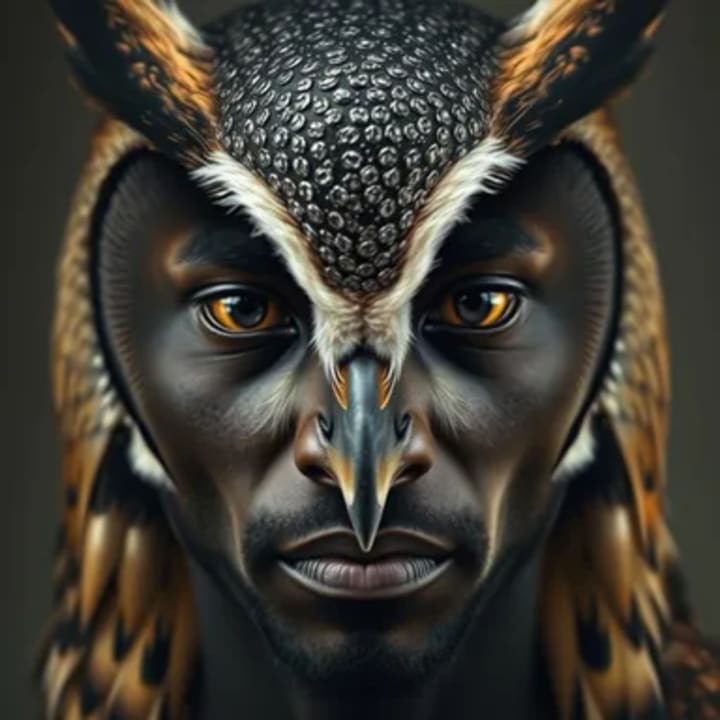
There were expected challenges as with the introduction of any new phase of human developments.
Health Issues: Unforeseen genetic complications could arise, necessitating continuous medical research and support.
Social Tensions: Integrating hybrids into society might lead to social tensions and require significant efforts in education and awareness.
Ethical Boundaries: Maintaining ethical boundaries and preventing exploitation would be an ongoing challenge.
While this scenario stretches the bounds of current science, it's a fascinating thought experiment that highlights both the potential and challenges of genetic engineering. In this hypothetical world, do we envision a utopia or a dystopia?
The Age of Hybrids: A New Dawn
In the year 2100, the world had entered an era of unprecedented scientific advancement. The fusion of human and animal DNA was no longer a far-fetched dream but a revolutionary reality. This era, known as the Age of Hybrids, began with the groundbreaking invention of the Genetic Harmonizer, a device capable of seamlessly blending human and animal genes to create new species.
Chapter 1: The Birth of Hybrids
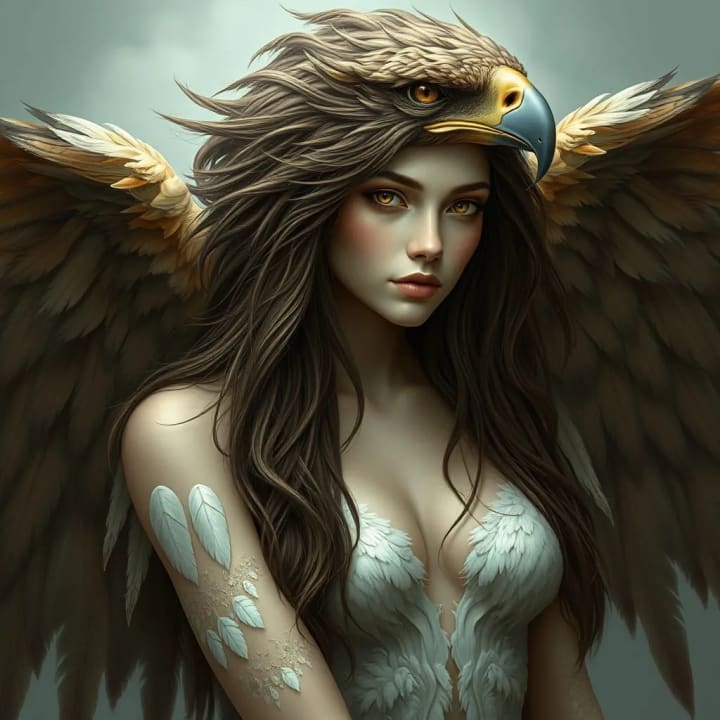
Dr. Stone, a visionary geneticist, stood at the forefront of this scientific renaissance. She led a team of brilliant minds who meticulously selected animal traits that could enhance human abilities. The first successful hybrid, a human with the agility and night vision of an eagle, was born in a state-of-the-art laboratory. This milestone marked the beginning of a new era, where the boundaries between humans and animals blurred.
Chapter 2: The New Society
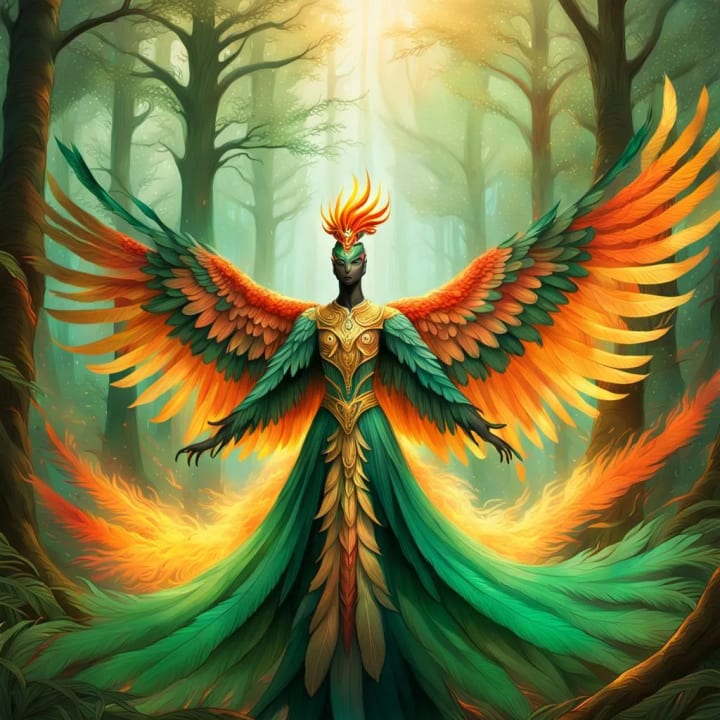
As hybrids became more common, society began to evolve in ways that no one had anticipated. Cities transformed to accommodate the needs of these new beings. Skylines were dotted with high-altitude nests for those with avian traits, while underground tunnels were built for hybrids with subterranean instincts. The world embraced the diversity of hybrids, celebrating their unique abilities.
Bigger, stronger and more adaptable. Govt intervention.
Education systems adapted to teach both human and hybrid students. Schools offered courses tailored to the needs of different species, blending traditional academics with lessons in flight dynamics, aquatic agility, and enhanced sensory perception. Healthcare also advanced, with specialists trained to treat the specific medical needs of hybrids.
Chapter 3: Cultural Renaissance
The cultural landscape flourished as human creativity merged with the natural instincts of animals. Art, music, and literature took on new dimensions, inspired by the unique perspectives of hybrids. The world witnessed the rise of hybrid artists who used their enhanced senses to create masterpieces that resonated with both humans and hybrids.
Sports and entertainment saw a revolution as well. Hybrid athletes showcased their extraordinary abilities, drawing massive crowds to arenas built for aerial acrobatics, underwater competitions, and lightning-fast races. A new genre of hybrid cinema emerged, portraying epic tales of adventure and unity between species.
Chapter 4: Challenges and Triumphs
Despite the many advancements, the Age of Hybrids faced its share of challenges. Integrating hybrids into society was not without its difficulties. Prejudice and fear led to tensions between pure humans and hybrids. However, visionary leaders and advocates worked tirelessly to promote understanding and acceptance.
The United Nations established the Hybrid Rights Charter, ensuring that hybrids had equal rights and protections. Communities around the world came together to celebrate Hybrid Day, a global holiday dedicated to recognizing the contributions of hybrids to society.
Chapter 5: A Harmonious Future
As the years passed, the world grew more united. The blending of human and animal DNA had given rise to a society that valued diversity and collaboration. Hybrids played crucial roles in solving global challenges, using their unique abilities to address environmental issues, enhance technology, and promote peace.
The Age of Hybrids had brought about a new world order, one that thrived on the strengths and wisdom of both humans and animals. Dr. Elvara Stone, reflecting on the journey, knew that the world had entered a golden age of harmony and progress, where the possibilities were as boundless as the imagination.
The story of the Hybrids became one of innovation, acceptance, and the endless potential of a united world.
REBELLION
There were those who rebelled against the idea of hybrids, seeing them as abominations.
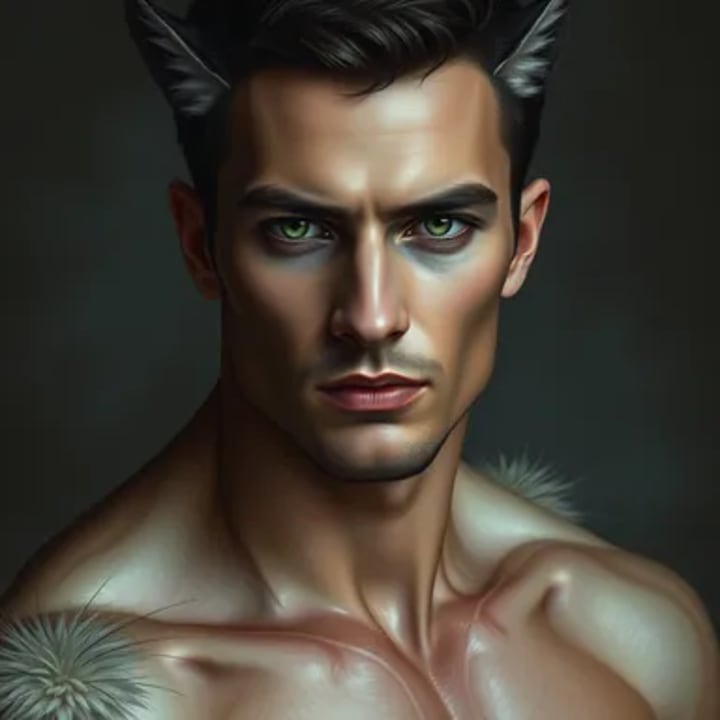
The Resistance: Guardians of Purity, had no plans for the acceptance of the changes of integrating freaks, as they referred to the hybrids, into their lives.
In the Age of Change, not everyone embraced the new world order. The faction known as the Guardians of Purity emerged, vehemently opposing the genetic blending of humans and animals. They saw hybrids as abominations, a perversion of nature, and a threat to the sanctity of humanity.
The Rise of the Guardians
The Guardians of Purity were led by Marcus Hale, a charismatic and influential figure who believed that the essence of humanity was being corrupted. He rallied like-minded individuals, drawing support from those who feared the unknown and clung to traditional values. Their mantra was simple: "Preserve the purity of the human race."
Operating from "The Underground Movement" of hidden bases, the Guardians orchestrated a series of protests and campaigns to raise awareness about the dangers they believed hybrids posed. They distributed pamphlets, held secret meetings, and used social media to spread their message. Their goal was to sway public opinion and halt the progress of hybrid integration.
Acts of Defiance marked a turning point in the tactics of the movement. As hybrids became more integrated into society, the Guardians' actions grew bolder. They staged demonstrations outside genetic research facilities, demanding an end to hybrid experimentation. Some members resorted to sabotage, targeting laboratories and clinics where hybrid research was conducted. These acts of defiance were intended to disrupt the creation of new hybrids and send a message to the world.
Ideologies clashed as the conflict between the Guardians and hybrid supporters reached a boiling point. Public debates and media coverage highlighted the stark contrast between the two sides. Hybrid advocates argued for the benefits of genetic advancements, emphasizing the potential for a stronger, more capable society. The Guardians, however, warned of unforeseen consequences and the loss of human identity.
The Turning Point
The tipping point came when a prominent hybrid, Dr. Lila Arin, who possessed the intellect of a human and the sensory acuity of a wolf, publicly challenged Marcus Hale to a debate. He gladly accepted. The event was broadcast worldwide, drawing millions of viewers. Dr. Arin eloquently defended the hybrids, highlighting their contributions to society and the importance of embracing diversity.
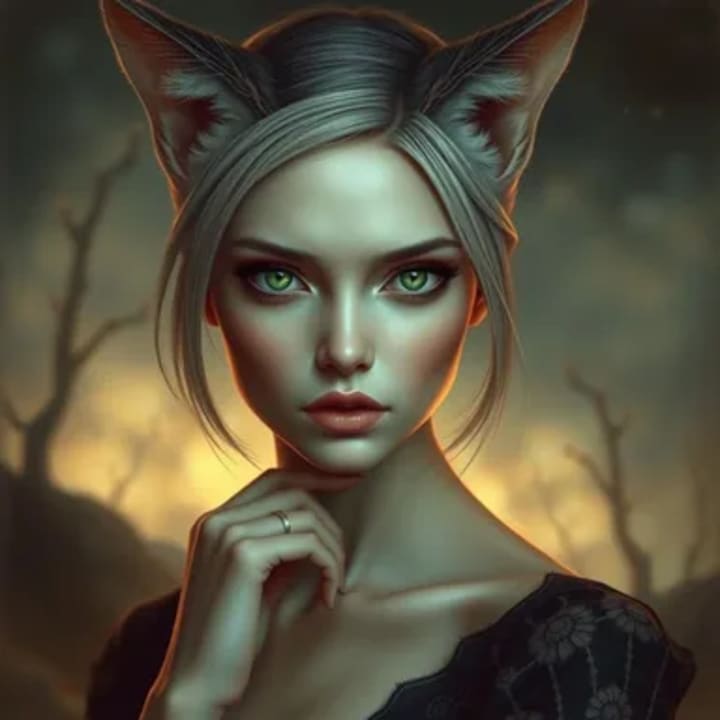
Marcus Hale, despite his fervent beliefs, struggled to counter Dr. Arin's arguments. But the public opinion was swayed not only by his failure to impress them, but by another event unknown to him. Members of his group had planned a violent attack which destroyed parts of the major genetic lab, seriously injuring many people and corrupting years of finished scientific programs. Luckily no one had been killed.
The debate and violence marked a turning point, as many viewers began to question the Guardians' stance. The tide of public opinion slowly shifted in favor of hybrids, recognizing their potential to enhance humanity rather than diminish it.
Chapter 6: A New Understanding
In the aftermath of the debate, the Guardians of Purity faced dwindling support. Some members, disillusioned by the movement's increasingly extreme tactics, chose to leave and seek common ground with hybrid supporters. Efforts were made to bridge the gap between the two sides, fostering dialogue and understanding.
While the Guardians of Purity never fully disappeared, their influence waned as society continued to evolve. The world moved towards a future where hybrids and humans coexisted, learning from each other and building a harmonious society.
+++++++++++++++++++++++++++++++++++++
This story explores the resistance to change and the fear of the unknown, themes that are often present in times of significant societal transformation.
About the Creator
Antoni De'Leon
Everything has its wonders, even darkness and silence, and I learn, whatever state I may be in, therein to be content. (Helen Keller).
Tiffany, Dhar, JBaz, Rommie, Grz, Paul, Mike, Sid, NA, Michelle L, Caitlin, Sarah P. List unfinished.
Keep reading
More stories from Antoni De'Leon and writers in Futurism and other communities.
Christmas in 2050 🎄
The Christmas and Santa world pre-2050. The idea of a Black Santa brought all kinds of horror stories to my mind. I sat curled up by my window peering into the starless winter sky as I imagined Mrs. White peeking out her window one cold and bleak New year's eve night. Quite alarmed, she witnesses a strapping Black man dressed as St. Nick, climbing down her neighbor, Mrs. Karen's chimney. Miraculously, the moon shone really bright for this time of year, she could see Black's outline as clear as day.
By Antoni De'Leonabout a year ago in Futurism
Apple Just Rewrote the Entry-Level Playbook: 4 Takeaways From This Week’s Surprise Releases
Apple just shattered its traditional release cadence with a "Cupertino Whirlwind"—a relentless three-day barrage of product announcements that has fundamentally disrupted the company’s hardware and pricing hierarchy. Starting with the budget-conscious iPhone 17E and culminating in the shock release of the MacBook Neo, this flurry was more than a series of updates; it was a calculated market offensive. With everything hitting shelves on March 11, the speed of these releases signals a pivotal shift in how Apple intends to capture the next generation of users.
By Mohammad Hamid4 days ago in Futurism
AI Agents Market to Hit USD 139.12 Billion By 2033
AI Agents Market Overview The global AI Agents Market is experiencing strong expansion as organizations adopt intelligent automation tools capable of performing complex tasks with minimal human intervention. The market is projected to reach USD 139.12 Billion by 2033, rising from USD 3.66 Billion in 2023, which reflects a significant CAGR of 43.88% during 2024 to 2033. In 2023, North America accounted for the leading regional position, capturing more than 37.92% of the total market share and generating approximately USD 1.3 Billion in revenue. The rapid adoption of artificial intelligence, increasing enterprise automation initiatives, and expansion of cloud computing infrastructure are contributing to this strong market growth.
By Roberto Crum4 days ago in Futurism
The BAFTA Awards
By now, in a stunning departure from recent years, most of the world is aware of what happened at the BAFTA film awards. Social Media Headlines will tell you the bare bones: that John Davidson, a Tourette's Syndrome advocate, shouted a racial slur at two Actors of Colour, Michael B Jordan and Delroy Lindo.
By Natasja Rose6 days ago in Psyche


Comments (5)
A fascinating read about what the future could hold, with AI. Well Done Antoni
What a great way to teach how what a future time period could turn into with how all the many scientific and even how AI seems to be in a lot of places now a days. Good job.
X-men revamped. I think idea is great
A well-crafted fantasy story to keep the reader's interest. The theme is timely, as we are in a truly critical moment in human history. The work you did was very organized and imaginative, and congratulations!
Got the X Men in my mind now, Antoni! This was fascinating!