space
Space: The Final Frontier. Exploring space developments and theorizing about how humans fit into the universe.
Space Conspiracy Theories
Everything you know about space is a lie. We’ve never been to the moon, Pluto is a hologram, and Obama visited Mars twice. Conspiracy theorists believe all of this and so much more. NASA is one of the top organizations accused of conspiracy theories, and has been since the day it was created. Established in 1958, NASA was founded to compete with the Soviet Union in the space race. After Russia launched Sputnik, people were afraid that they would start building weapons in space. NASA was created to combat this. In the 1960s, John F. Kennedy approved the Apollo program which was aimed at successfully sending a man to the moon. While the Apollo 1 ended in disaster, the Apollo 8 and 10 missions went to the moon to test equipment and take photos but did not land.
By Futurism Staff10 years ago in Futurism
Best Alien Invasion Movies
American fears of the cold war with the USSR in the middle of the 20th century manifested themselves in stories of alien invasions. The movie aliens themselves often took the forms of outright green blobs, which in my opinion was probably a budgetary issue, resolved by some special effects coordinator suggesting that they leave it up to the audience's imagination. From stormtrooper looking soldiers to individual messengers of doom, the aliens kept coming until science fiction films in general became the highest grossing film genre over big movie weekends in the later 20th century. If there is even a shred of predictive truth to these films, we should have no excuse when the time comes for an alien invasion. Watch the best alien invasion movies. Get prepared.
By Futurism Staff11 years ago in Futurism
Andy Weir's The Martian Review
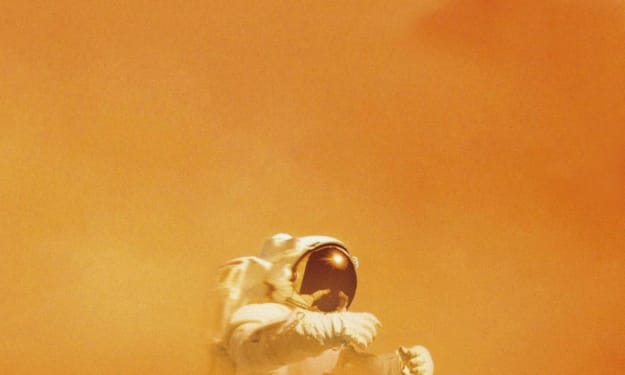
Andy Weir’s debut novel, The Martian, is something of a success story for self-published authors everywhere. Released by the author as an e-book in 2011, the book was picked up for broader distribution last year by Crown Publishing group, and is now well on its way to the big screen. The book itself is a labor of love for Weir, a well-researched and highly-realistic work of speculative fiction. It endeavors to answer a fairly straightforward question, how could a person survive on Mars if they were stranded there? This question requires knowledge of space travel, orbital physics, botany, and NASA bureaucracy to answer effectively, and Weir quickly establishes his expertise on all of the above. The resulting book is impressive for the amount of preparation it must have required before pen could be put to paper, and manages an engaging story to boot.
By Michael Gold11 years ago in Futurism