
Space Tourism Integration
The Future of Orbital Travel

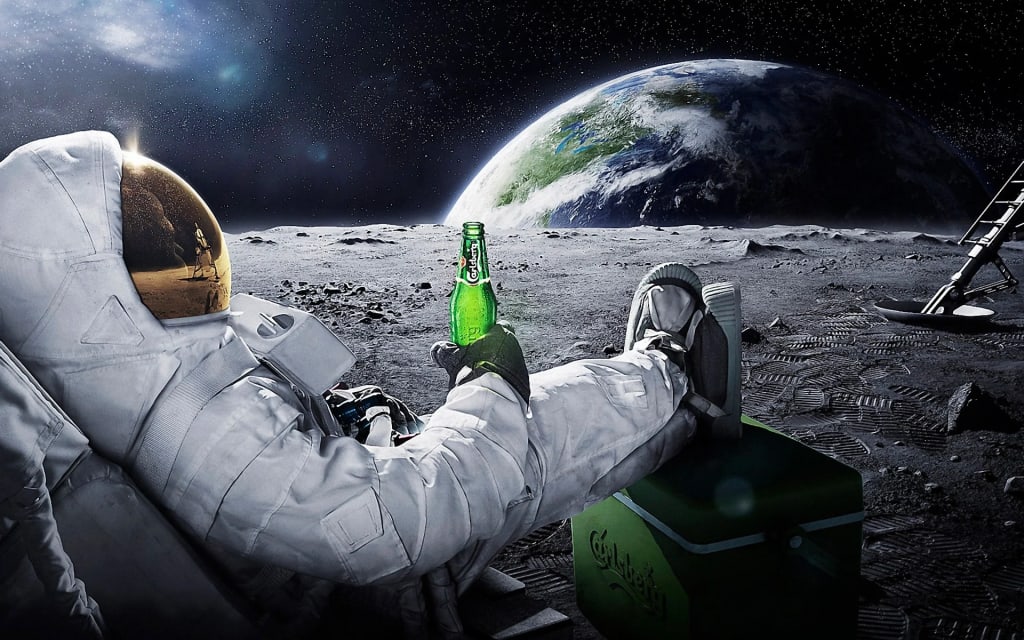
Imagine a world where the dream of traveling to space isn’t reserved for astronauts or elite scientists but is open to ordinary people with no prior training. This once fantastical notion is rapidly becoming a reality, thanks to advancements in space station design and commercial spaceflight technology. Picture yourself gazing at Earth’s curvature through a window in orbit, experiencing the surreal sensation of weightlessness, or sharing a meal in a sleek, futuristic habitat circling the planet. Companies like SpaceX, Blue Origin, and Axiom Space are pioneering a new frontier where space tourism merges luxury and exploration, creating a market where everyday adventurers can become cosmic travelers. This burgeoning industry raises exciting questions: What makes a space station safe and practical for tourists? How much will this extraordinary journey cost? And perhaps most intriguingly, what will life truly be like for those who venture beyond Earth's atmosphere?
Efficient Shapes for Space Stations
Design
The design of space stations for tourism has shifted dramatically in recent years, with engineers focusing on creating structures that are both functional and comfortable for non-professional astronauts. Current trends emphasize modular and inflatable designs, which offer unique advantages for safety, scalability, and efficiency. Modular systems, like those proposed by Axiom Space, use a building-block approach where individual sections are launched separately and connected in orbit. This method allows for gradual expansion, adapting to increased demand or new technological advancements over time. These modules can be customized for various purposes, including living quarters, research labs, or even luxury suites for tourists.
Inflatable habitats, such as Sierra Space’s LIFE modules, represent another innovative approach. These structures are compact during launch and expand once in orbit, creating a spacious interior with minimal weight and volume constraints. Inflatable designs are also highly versatile and provide excellent radiation protection through multilayered materials. They address one of the most significant challenges in space travel: balancing the need for ample living space with the high costs of launching heavy equipment. Together, these trends signal a shift toward making space stations not only operationally robust but also inviting for civilian visitors seeking a once-in-a-lifetime experience.
Safety Considerations
Safety considerations are paramount in the design of space stations, particularly when accommodating tourists with little to no prior spaceflight training. Engineers must address a range of potential hazards, from micrometeorites to radiation exposure, to ensure the well-being of all occupants. Modern space stations incorporate advanced shielding to protect against high-speed space debris, using materials like Kevlar and multilayered composites that absorb and disperse impacts. Radiation protection is another critical factor, with designers leveraging innovative materials and shielding techniques to mitigate the harmful effects of cosmic rays and solar radiation.
Structural integrity is also a key priority, especially as space stations transition to accommodate larger populations. Redundant systems for air, water, and power supply are essential, ensuring life support even if primary systems fail. Emergency protocols, such as escape pods or rapid evacuation routes, are integrated into every design to provide a safety net during unforeseen crises. Moreover, with space tourism targeting civilians, user-friendly interfaces and intuitive training programs are being developed to make emergency procedures accessible and easy to follow. These safety measures collectively aim to create an environment where travelers can explore the final frontier with confidence and peace of mind.
Engineering Challenges
Designing space stations for tourists involves numerous engineering challenges, as these structures must balance safety, functionality, and cost while operating in one of the most hostile environments imaginable. One of the biggest hurdles is minimizing the weight of the station without compromising its strength or safety. Materials must be both lightweight for efficient launch and robust enough to withstand micrometeoroid impacts, extreme temperature variations, and the vacuum of space. Innovations in composite materials and additive manufacturing are helping address these requirements, but they come with high development costs and rigorous testing demands.
Creating a life-support system capable of sustaining tourists with no prior spaceflight experience also presents a challenge. Systems must be automated and redundant to ensure reliability, requiring advanced engineering to maintain breathable air, potable water, and stable temperatures in orbit. Waste management, a less glamorous but equally critical component, must also be handled with precision, especially as stations aim to support larger populations.
Another major engineering challenge is achieving scalability. Space stations need to be designed in a way that allows for gradual expansion as demand for space tourism grows. This requires modular systems that can integrate seamlessly, both in terms of structure and technology, while accommodating a diverse set of uses—from research to recreation. These engineering feats, while complex, are paving the way for sustainable and accessible space tourism, turning science fiction into a tangible reality.

Cost
The cost of space tourism remains one of its most significant barriers, though advancements in technology and increasing competition are gradually making it more accessible. Currently, the price for a seat on a space mission varies widely depending on the type of experience and the provider. Suborbital flights, such as those offered by Blue Origin’s New Shepard, cost around $450,000 per passenger, while longer-duration orbital missions, like those conducted by SpaceX’s Crew Dragon, can reach $55 million per seat. These high costs are primarily driven by the expense of rocket launches, advanced safety measures, and the development of cutting-edge technologies needed to support human life in space.
Several factors influence these prices. Reusable rocket systems, pioneered by SpaceX, are significantly reducing the cost per launch by allowing rockets to be refurbished and flown multiple times. As the market for space tourism grows and more providers enter the field, economies of scale may also help lower costs. Additionally, investments in more efficient space station designs and streamlined pre-flight procedures are expected to drive down operational expenses.
Looking ahead, many experts predict that costs will continue to decline, potentially making space tourism more accessible to a broader audience. Some companies are exploring partnerships with luxury travel agencies and offering flexible pricing for specialized experiences, such as short stays or tailored activities. While space travel remains a high-end luxury for now, the ongoing development of the industry hints at a future where exploring the stars may become a possibility for more than just the ultra-wealthy.
The Space Experience
The space tourism experience is a blend of adventure, luxury, and scientific wonder, tailored to provide civilians with a glimpse into life beyond Earth. For many, the journey begins well before launch, with pre-flight training designed to prepare passengers for the unique physical and psychological challenges of space travel. This typically involves experiencing simulated weightlessness, understanding basic spacecraft operations, and learning safety protocols to handle emergencies. However, thanks to advancements in technology and user-friendly spacecraft design, the amount of training required is significantly less than what professional astronauts undergo.
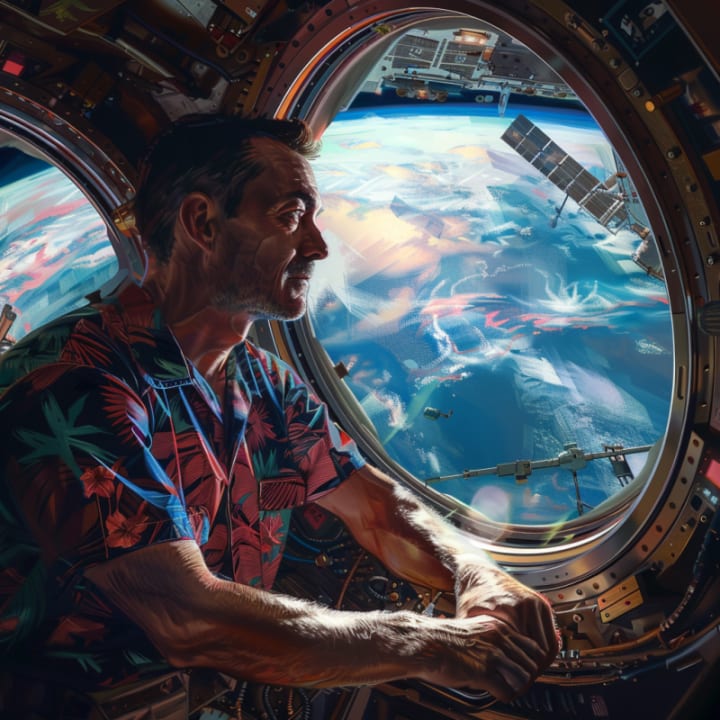
The launch itself is a once-in-a-lifetime thrill, with passengers experiencing intense G-forces as the rocket propels them into orbit or suborbit. Once in space, the most immediate and awe-inspiring experience is weightlessness, allowing passengers to float freely in the cabin. The view from space is equally breathtaking; the sight of Earth from orbit, with its glowing atmosphere and vast oceans, has been described by many as life-changing. Tourists can enjoy these views from large observation windows or domes specifically designed for an uninterrupted panorama of the planet.
Life aboard a space station is surprisingly dynamic. Tourists might spend their time participating in simple experiments, taking guided tours of the station, or even attending educational briefings about the science and engineering behind space exploration. Accommodations are thoughtfully designed to balance comfort with practicality. Sleeping quarters are often private, cocoon-like spaces to ensure rest in a weightless environment, while hygiene is maintained with specialized facilities that work in microgravity. Meals are pre-prepared and optimized for both nutrition and the challenges of eating in zero gravity, with growing interest in incorporating fresh produce grown in space.
Overall, the experience is curated to provide a mix of adventure, comfort, and educational engagement, offering participants a deeper connection to the mysteries of the cosmos and the marvels of human ingenuity. As technology and infrastructure continue to evolve, space tourism promises to become even more immersive and accessible, opening up extraordinary opportunities for people around the globe.

Food and Entertainment
In space, both food and entertainment require thoughtful design to ensure a pleasant and functional experience for tourists in the challenging environment of microgravity. Eating in space is quite different from what we experience on Earth. Since liquids and food particles behave unpredictably in zero gravity, meals for astronauts and tourists alike are carefully engineered to be compact, easy to prepare, and easy to consume. Most meals come in vacuum-sealed pouches, designed to minimize mess and maximize freshness. These foods are often dehydrated or packaged to prevent spillage, with tourists adding water to rehydrate meals. Over time, space food has evolved from bland, utilitarian options to gourmet creations that focus on flavor and nutritional balance, although fresh fruits and vegetables are still a rarity due to limited storage space and the complexity of growing them in space.
However, there is growing interest in incorporating fresh produce into space dining. Efforts are underway to develop systems that allow for growing food in space, such as hydroponic gardens or closed-loop environments. NASA’s Veggie experiment, which successfully grew red romaine lettuce aboard the International Space Station (ISS), is a significant step toward making space-grown food a reality. Space tourism providers may integrate such innovations to offer tourists a more "Earth-like" experience, with the possibility of consuming produce grown in orbit during their stay.
When it comes to entertainment, space tourists can expect a combination of leisure, education, and the awe-inspiring experience of being in orbit. The view of Earth from space, often described as a deeply transformative experience, is one of the key attractions. Space stations are likely to feature large observation windows or domes to allow passengers to take in the stunning vistas of our planet. Some stations may even offer virtual reality systems to provide immersive educational experiences or entertainment, such as interactive tours of the space station or simulated adventures outside the craft, including virtual spacewalks.
In addition to breathtaking views and virtual experiences, tourists might have access to onboard entertainment systems that include movies, music, and games, though all would need to be adapted for the zero-gravity environment. For instance, objects like books or cards would need to be tethered, and screens would likely be mounted on surfaces to prevent them from floating away. Social interaction and group activities may also become an important part of the space tourism experience, as passengers bond over shared activities like live communications with Earth, space-themed educational seminars, and even simple leisure activities that take advantage of the unique environment, such as weightless yoga or floating games.
Overall, the food and entertainment available to space tourists are set to evolve as technology advances, allowing future travelers to enjoy not only a safe and sustainable journey but also a pleasurable and engaging experience beyond Earth's atmosphere.
Companies Leading Space Tourism
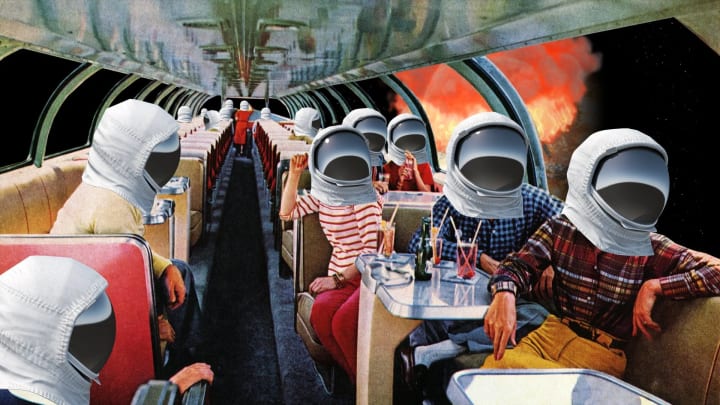
The space tourism industry is currently dominated by several key players, each with their own unique approach to making space travel a reality for civilians. These companies are leading the way in both technological advancements and luxury experiences, with each carving out its niche in this rapidly evolving sector.
SpaceX is perhaps the most well-known and ambitious of the space tourism companies. Founded by Elon Musk, SpaceX’s Falcon 9 rocket and Crew Dragon capsule have made significant strides in making space travel more affordable and reliable. While primarily focused on missions for NASA and private payloads, SpaceX has already begun offering private astronaut missions. Their "Inspiration4" mission in 2021 sent an all-civilian crew to orbit, a historic moment in space tourism. SpaceX’s ultimate goal is to make space travel accessible to people beyond the elite, offering regular orbital missions and, in the long term, trips to the Moon and Mars. Their reusable rocket technology plays a crucial role in lowering costs and increasing frequency of launches, making them a leader in the industry.
Blue Origin, founded by Jeff Bezos, has taken a different approach by focusing on suborbital space tourism. Their New Shepard rocket is designed to take passengers to the edge of space, allowing them to experience a few minutes of weightlessness and breathtaking views of Earth before descending back to the surface. While New Shepard offers a more short-term, accessible experience, Blue Origin’s long-term vision includes building a sustainable human presence in space, with projects like the "Orbital Reef" space station in collaboration with other companies. Their approach centers on lowering the barrier to entry for space tourism, with future plans to expand the scope of their offerings.
Virgin Galactic, led by Sir Richard Branson, is another major player in the suborbital space tourism race. Their SpaceShipTwo, a winged spacecraft, is carried aloft by a mothership before igniting its rocket engines to propel tourists into space. Virgin Galactic aims to make space tourism a luxurious, exhilarating experience for those who can afford it, with a focus on providing a premium service. The company has already completed several successful test flights and is planning regular passenger flights to space. Their focus is on comfort and unique experiences, including panoramic windows for views of Earth, making the entire journey a luxurious adventure.
Axiom Space stands out by focusing on long-term stays and private missions in space. While their plans currently center on attaching modules to the International Space Station (ISS), their ultimate goal is to build a commercial space station for research, tourism, and industrial applications. Axiom Space has already sent private astronauts to the ISS and offers customized trips for individuals and organizations, offering longer stays and more personalized experiences. Their vision is to establish a permanent human presence in low-Earth orbit, opening up space to a broader range of travelers and industries.
Together, these companies are not only leading the charge in space tourism but are also working toward creating a new era of human space exploration. Through their innovations, space tourism may one day become as commonplace as air travel, bringing the stars within reach for ordinary people.

The Future of Tourism
The future of space tourism is poised to revolutionize the way we think about travel, leisure, and even human civilization. As technology progresses, the dream of space travel for non-professionals will become more accessible, sustainable, and affordable, with the potential to open new frontiers for exploration and entertainment.
One of the most significant changes on the horizon is the increasing affordability of space travel. Companies like SpaceX, Blue Origin, and Virgin Galactic are already making strides in reducing costs by utilizing reusable rocket technology, which cuts down on launch expenses. As more players enter the market and competition grows, costs are expected to continue falling, potentially making space tourism available to the middle class. In the coming decades, the idea of a space vacation or even a space hotel could become as normal as booking a flight to a tropical destination today.
As this industry expands, we are likely to see a shift towards longer stays in space. While current space tourism offers brief suborbital experiences, future space stations and lunar habitats could host tourists for days, weeks, or even months. Companies like Axiom Space are already working on creating permanent, commercial space stations, while others like SpaceX envision luxury orbital hotels that could serve as both research hubs and tourist destinations. These stations will be equipped with amenities that allow for both comfort and entertainment, such as microgravity gyms, restaurants with Earth-inspired meals, and virtual reality experiences to explore the cosmos.
In parallel, space stations and even lunar colonies may become significant hubs for scientific research and exploration. In addition to tourism, these sites could be used for zero-gravity experiments, space mining, and technological innovation. Commercial entities may soon partner with governments to establish a permanent human presence on the Moon, possibly even paving the way for interplanetary travel to Mars. These advancements could redefine how we think about travel, as crossing from Earth to other planets becomes a viable option in the not-so-distant future.
Additionally, the development of space tourism will spur innovations in related fields, including medical technology, engineering, and environmental sustainability. As human presence in space becomes more common, the technology developed to sustain life in orbit will also improve life on Earth, including advancements in renewable energy, water recycling, and medical devices. Space stations will need to be self-sustaining ecosystems, pushing humanity’s capacity for creating closed-loop systems to new heights.
With all these developments, the future of space tourism is not just about leisure but about opening the door to an entirely new era of exploration. As technology and infrastructure evolve, space tourism will likely become an integral part of human existence, one that allows us to look beyond our planet and experience the grandeur of the universe firsthand.
Conclusion
The future of space tourism is an exciting, rapidly evolving frontier that will undoubtedly transform how we think about exploration, leisure, and human potential. As technology advances, space travel is becoming more accessible, with companies like SpaceX, Blue Origin, and Virgin Galactic leading the way. In the coming years, we can expect space tourism to move beyond short suborbital flights to include longer stays, lunar missions, and even the construction of space hotels and colonies. The integration of reusable technology, cost reductions, and increasing competition will play a crucial role in making space travel a viable option for a broader range of people.
This new era of space exploration will not only provide extraordinary opportunities for adventure and personal growth but also fuel innovations that will impact life on Earth, from medical advancements to environmental sustainability. As space stations become increasingly sophisticated, the idea of living and working in space will no longer be limited to astronauts. Instead, ordinary citizens will have the chance to experience the thrill of space while contributing to scientific research and the future of humanity beyond our home planet.
With the vision of sustainable space travel and the growing interest in humanity’s place in the cosmos, space tourism is set to be one of the most transformative industries of the 21st century. The possibilities are boundless, and in just a few decades, the idea of journeying to space may be as routine as taking a commercial flight today.

About the Creator
Christen
Think logically. I know you can do it!
“Sam Altman Is Losing His Grip on Humanity”: A Critique of AI’s Favorite Analogy
What Happened (Facts) This is an opinion essay by Matteo Wong (The Atlantic, dated Feb. 23, 2026), not a straight news report. Its central trigger is a remark OpenAI CEO Sam Altman made at an AI summit in India while responding to a question about the natural resources and energy required to train and run generative AI models.
By Behind the Tech6 days ago in Futurism
Privacy Focused Visual Search: Using AI to Understand Images Without Losing Control of Your Data
Visual search has changed how people interact with technology. Instead of typing long queries, users can now point a camera at an object, place, or document and instantly get information. While this convenience is powerful, it also raises an important concern: what happens to your images after the search?
By Maheep Makkar5 days ago in Futurism




Comments
There are no comments for this story
Be the first to respond and start the conversation.