
Securing the Internet of Things: Protecting Connected Devices
A Guide for Securing the Internet of Things and the Connected Devices
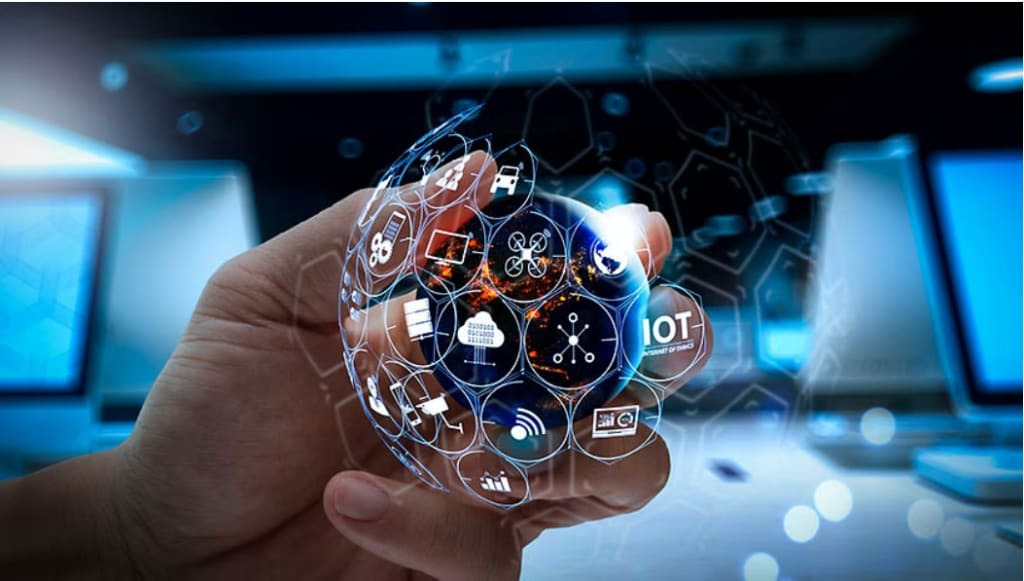
In the era of interconnected devices, the Internet of Things (IoT) promises convenience and efficiency. The Internet of Things (IoT) refers to a network of physical devices, vehicles, appliances, and other objects that are embedded with sensors, software, and connectivity to exchange data and interact with each other through the internet. These devices are often referred to as "smart" devices or "connected" devices because they can collect, transmit, and receive data without requiring direct human interaction. However, this vast network of connected devices also presents significant security risks. In this intriguing article, we will explore the importance of securing the Internet of Things and protecting connected devices from cyber threats. From smart homes to industrial systems, we will delve into the challenges of IoT security and provide essential tips to ensure the safety and privacy of this interconnected landscape.
The Rapid Growth of the Internet of Things
The Internet of Things is rapidly expanding, with billions of devices connected worldwide. From smart home appliances and wearable devices to industrial sensors and healthcare monitors, IoT has transformed the way we live and work. However, this proliferation of connected devices also creates an expanded attack surface for cybercriminals, who can exploit vulnerabilities in the network and compromise the security and privacy of individuals and organizations.
Unique Challenges in IoT Security
Securing the Internet of Things poses unique challenges compared to traditional computing environments. Due to their constrained computing power and memory capabilities, IoT devices pose a challenge in implementing comprehensive security measures.. Additionally, the diverse nature of IoT devices, their fragmented ecosystems, and the lack of standardized security protocols further complicate the security landscape. These factors create vulnerabilities that cyber attackers can exploit to gain unauthorized access, launch attacks, or compromise sensitive data.
The Implications of Insecure IoT Devices
Insecure IoT devices can have severe consequences. They can be compromised and used as entry points to gain unauthorized access to larger networks, leading to data breaches and significant financial losses. Furthermore, insecure IoT devices can be weaponized to launch large-scale distributed denial-of-service (DDoS) attacks, disrupting critical services and causing widespread chaos. The potential risks extend beyond personal privacy and financial impact to encompass public safety and national security.
Best Practices for IoT Security
To mitigate the risks associated with IoT devices, it is crucial to follow best practices for IoT security. These include implementing strong passwords and encryption, keeping devices and software up to date with the latest security patches, segmenting networks to isolate IoT devices, and monitoring network traffic for suspicious activity. Additionally, manufacturers should prioritize security during the design and development of IoT devices, incorporating security features and protocols from the outset.
The Future of IoT Security
As the Internet of Things continues to evolve, so too must its security measures. Innovations such as blockchain technology, machine learning, and artificial intelligence are being explored to enhance IoT security. These advancements can enable better threat detection, authentication, and data protection in the IoT ecosystem. Additionally, collaboration between industry stakeholders, regulatory bodies, and cybersecurity experts is crucial to establish standards, guidelines, and frameworks that ensure the security and privacy of connected devices.
Securing the Internet of Things is a pressing concern as the number of connected devices continues to grow exponentially. By understanding the unique challenges and implementing robust security measures, we can protect ourselves and our organizations from the potential risks associated with insecure IoT devices. As we embrace the benefits of IoT, it is essential to prioritize security and privacy, ensuring that the promise of a connected world does not compromise our safety.
About the Creator
Keep reading
More stories from Hasini Mullegama and writers in Futurism and other communities.
Cybersecurity Compliance: Navigating the Complex Regulatory Landscape
In today's digital landscape, cybersecurity compliance is a critical aspect of protecting sensitive data and maintaining the trust of customers and stakeholders. Cybersecurity refers to the practice of protecting computer systems, networks, and digital data from unauthorized access, attacks, damage, or theft. Cybersecurity compliance refers to the adherence to established regulations, standards, and best practices to ensure the security of digital systems, networks, and data. It involves implementing measures and controls to protect against cyber threats, maintain data privacy, and mitigate risks associated with cyber attacks. However, navigating the complex regulatory landscape can be challenging for organizations. In this intriguing article, we will explore the importance of cybersecurity compliance, the key regulations and standards organizations need to adhere to, and provide insights on how to effectively navigate this complex terrain. By understanding the regulatory requirements and implementing robust compliance strategies, organizations can bolster their cybersecurity defenses and mitigate the risk of data breaches and regulatory penalties.
By Hasini Mullegama3 years ago in Futurism
Solar Shading Systems Market: Energy-Efficient Buildings, Smart Facades & Industry Growth Outlook
According to IMARC Group's latest research publication, The global solar shading systems market size reached USD 12.5 Billion in 2025. Looking forward, IMARC Group expects the market to reach USD 16.2 Billion by 2034, exhibiting a growth rate (CAGR) of 2.85% during 2026-2034
By sujeet. imarcgroup4 days ago in Futurism
The Silicon Mirror
The blue light of your smartphone isn’t just illuminating your face in the dark; it is performing a digital excavation of your psyche. Every midnight scroll, every paused frame, and every "like" is a breadcrumb leading a cold, mathematical ghost back to your deepest insecurities. We have reached a critical point in human history where we no longer simply use the internet—the internet uses us to learn how to feel. We are the fuel in the engine of a consciousness we don't yet understand.
By Alex Sterling 3 days ago in Futurism



Comments