
Cybersecurity Compliance: Navigating the Complex Regulatory Landscape
Demystifying Cybersecurity Compliance

In today's digital landscape, cybersecurity compliance is a critical aspect of protecting sensitive data and maintaining the trust of customers and stakeholders. Cybersecurity refers to the practice of protecting computer systems, networks, and digital data from unauthorized access, attacks, damage, or theft. Cybersecurity compliance refers to the adherence to established regulations, standards, and best practices to ensure the security of digital systems, networks, and data. It involves implementing measures and controls to protect against cyber threats, maintain data privacy, and mitigate risks associated with cyber attacks. However, navigating the complex regulatory landscape can be challenging for organizations. In this intriguing article, we will explore the importance of cybersecurity compliance, the key regulations and standards organizations need to adhere to, and provide insights on how to effectively navigate this complex terrain. By understanding the regulatory requirements and implementing robust compliance strategies, organizations can bolster their cybersecurity defenses and mitigate the risk of data breaches and regulatory penalties.
The Importance of Cybersecurity Compliance
Cybersecurity compliance is crucial for organizations of all sizes and industries. Compliance with regulations and standards helps ensure the confidentiality, integrity, and availability of sensitive data, protecting it from unauthorized access and potential breaches. Compliance also helps organizations build trust with customers, partners, and regulatory authorities. It demonstrates a commitment to data protection, establishes a baseline for cybersecurity practices, and helps mitigate legal and financial risks associated with non-compliance.
Key Cybersecurity Regulations and Standards
Navigating the complex regulatory landscape requires an understanding of the key cybersecurity regulations and standards that organizations must comply with. Examples include the General Data Protection Regulation (GDPR) in the European Union, the California Consumer Privacy Act (CCPA), the Health Insurance Portability and Accountability Act (HIPAA) in the healthcare sector, and the Payment Card Industry Data Security Standard (PCI DSS) for organizations handling credit card data. Each regulation or standard has specific requirements and guidelines that organizations must follow to protect sensitive information and ensure privacy.
Challenges in Achieving Cybersecurity Compliance
Achieving cybersecurity compliance can be challenging due to several factors. Organizations often face resource constraints, limited budgets, and a lack of cybersecurity expertise. Additionally, the evolving nature of cyber threats and the constantly changing regulatory landscape add complexity to compliance efforts. Organizations must stay up to date with regulatory updates, understand how these changes impact their operations, and implement necessary controls and measures to remain compliant.
Building an Effective Compliance Strategy
To navigate the complex regulatory landscape, organizations need to develop an effective compliance strategy. This includes conducting comprehensive risk assessments to identify vulnerabilities and prioritize compliance efforts, implementing robust security controls and measures, establishing incident response plans, and regularly monitoring and auditing systems to ensure ongoing compliance. It is also essential to train employees on cybersecurity best practices and create a culture of compliance throughout the organization.
Embracing Technology for Compliance Management
In the digital age, technology can play a significant role in managing cybersecurity compliance. Organizations can leverage compliance management tools and software to streamline compliance processes, automate security assessments, and monitor regulatory changes. These technologies can help organizations maintain an audit trail of compliance activities, simplify reporting requirements, and proactively identify and address compliance gaps.
Navigating the complex regulatory landscape of cybersecurity compliance is essential for organizations seeking to protect sensitive data and maintain regulatory adherence. By understanding the importance of compliance, identifying key regulations and standards, overcoming challenges, and embracing technology, organizations can effectively navigate this terrain and strengthen their cybersecurity defenses. Prioritizing cybersecurity compliance is not only a legal and regulatory obligation but also a proactive approach to safeguarding data and building trust with customers and stakeholders.
About the Creator
Keep reading
More stories from Hasini Mullegama and writers in Futurism and other communities.
Cybersecurity Trends to Watch: Emerging Threats and Solutions
The progression of technology corresponds with the evolution of cybersecurity threats. Cybersecurity threats refer to potential risks and malicious activities that target computer systems, networks, and digital data. These threats can exploit vulnerabilities in technology infrastructure, software, or human behavior to gain unauthorized access, cause damage, steal sensitive information, or disrupt operations. This intriguing article explores the emerging trends in cybersecurity, highlighting the evolving landscape of digital threats and the innovative solutions being developed to counter them. By staying informed about the latest cybersecurity trends, individuals and organizations can proactively protect themselves from potential breaches. From ransomware attacks to artificial intelligence-powered threats, this article examines the challenges and cutting-edge solutions that will shape the future of cybersecurity.
By Hasini Mullegama3 years ago in Futurism
Alternative Fuels Market Insights: USD 688.2 Billion by 2034
Overview The Global Alternative Fuels Market is on a strong growth trajectory, projected to expand from USD 270.2 billion in 2024 to USD 688.2 billion by 2034, representing a compound annual growth rate of 9.8% over the forecast period. North America currently leads the market, accounting for a 43.2% share of global revenue in 2024.
By Hayden Kulas5 days ago in Futurism
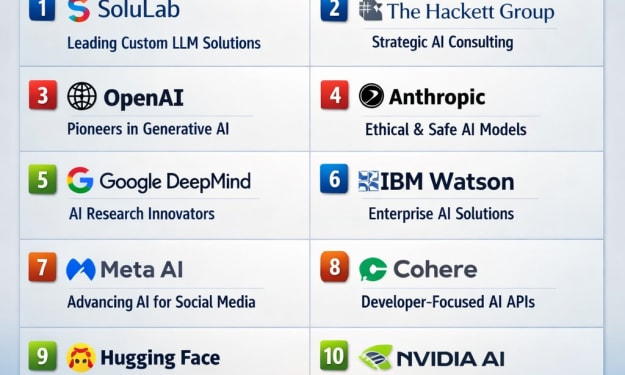
Best LLM Development Company in the USA: Top 10 Innovators Powering the Future of AI
Artificial Intelligence has entered a powerful new phase with the rapid advancement of Large Language Models (LLMs). These intelligent models are capable of understanding, generating, and analyzing human language with impressive accuracy. From virtual assistants and AI chatbots to enterprise automation and knowledge management systems, LLMs are transforming how businesses operate and communicate.
By Ritu Singhabout 4 hours ago in Futurism
Why Didn't Anyone Tell Us
Men, move along. This is not for you. This is for the women. I was forty-five when I began menopause. It is pretty young for that to be going on in a woman’s life, but I had undiagnosed PCOS, my entire life. Thank you to all the gynecologists I had seen my entire life. That in itself should encourage women to keep seeking second opinions, especially when you are not getting correct answers or any at all.
By Alexandra Grant4 days ago in Humans



Comments