
Neuromorphic Computing
The Next Big Leap in AI's Evolution
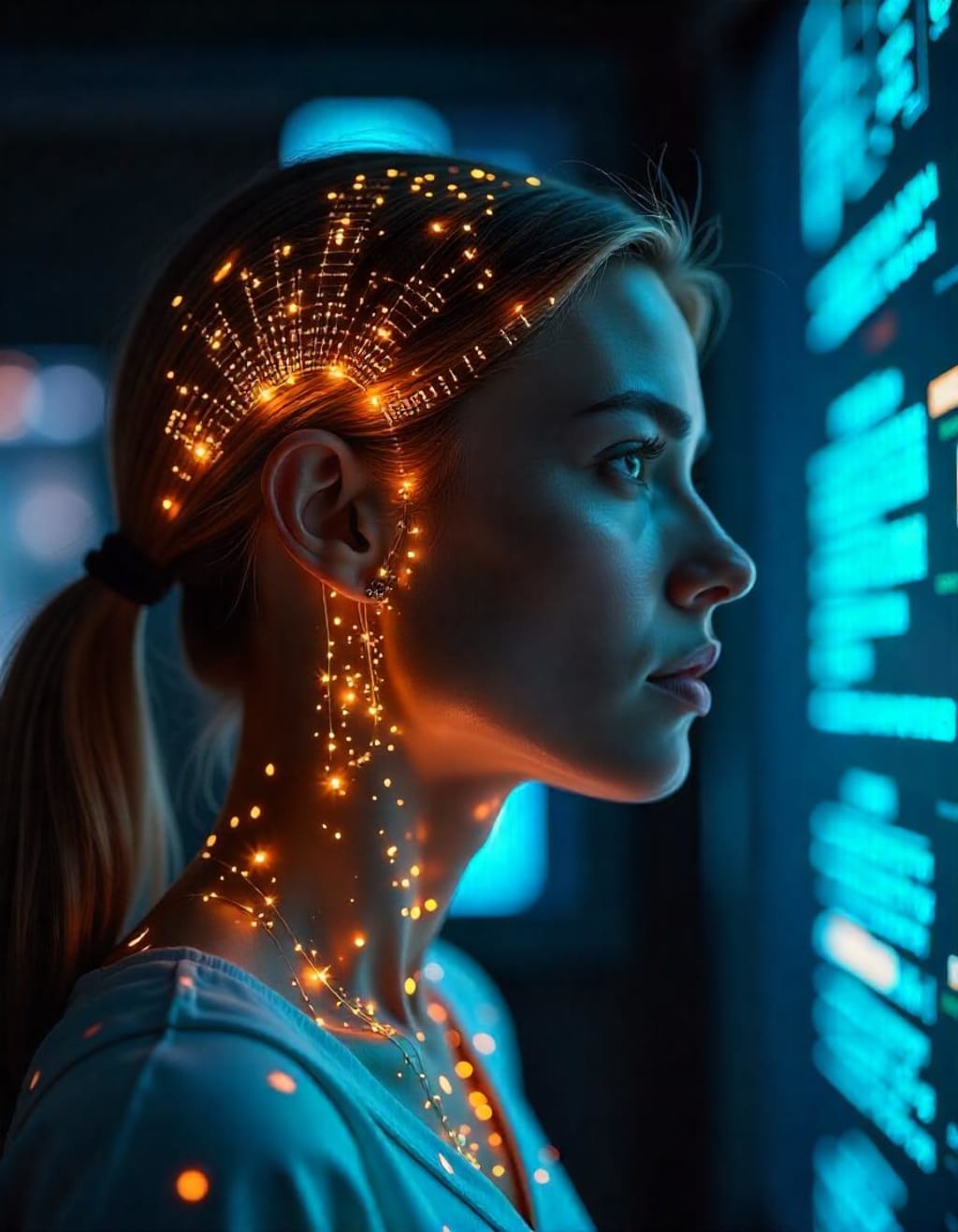
Neuromorphic computing is a cutting-edge approach in the world of artificial intelligence (AI), inspired by the structure and function of the human brain. Unlike traditional computing, which relies on binary code and fixed algorithms, neuromorphic systems aim to replicate the brain’s neurons and synapses to process information. This innovative technology promises to enable machines to think, learn, and react in ways more similar to humans.
The Rise of Neuromorphic Computing in AI
Over the past decade, AI has made tremendous progress, from machine learning models to deep learning networks. However, traditional computing systems still face limitations in mimicking the brain's ability to learn and adapt in real-time. Neuromorphic computing is poised to break these boundaries by offering more brain-like architectures, potentially revolutionizing AI development.
Understanding Neuromorphic Computing
The Concept Behind Neuromorphic Computing
Neuromorphic computing uses specialized hardware that emulates the functioning of neural circuits in the human brain. This approach focuses on creating systems that replicate the brain’s ability to perform complex tasks efficiently by processing vast amounts of data through interconnected units, known as “neurons” and “synapses.”
How Neuromorphic Computing Mimics the Brain
Just like neurons in the brain fire electrical signals when activated, neuromorphic systems use artificial neurons that communicate by transmitting electrical pulses. These systems are designed to process information in parallel, allowing them to handle massive amounts of data faster and more efficiently than traditional computing systems.
Neuromorphic vs Traditional Computing
Traditional computing systems rely on a sequential, step-by-step process of data analysis and problem-solving, often using binary logic. Neuromorphic computing, on the other hand, mimics the brain’s parallel processing capability, which allows for more flexible and dynamic problem-solving. This parallel structure enables neuromorphic systems to handle real-time, unstructured data like images, sound, and speech much more effectively.
The Evolution of AI
Artificial Intelligence: From Simple Algorithms to Neuromorphic Systems
AI began with simple rule-based algorithms and has evolved to deep learning networks, enabling machines to perform complex tasks. However, deep learning systems still rely heavily on supervised learning, which requires large datasets and extensive computational resources. Neuromorphic computing, by mimicking brain functions, can potentially reduce these requirements, leading to more efficient AI systems.
The Role of Neuromorphic Computing in Deep Learning
Deep learning relies on layered neural networks to process and classify data. Neuromorphic computing enhances this process by creating networks that function more like the human brain—able to learn continuously from experience, adapt quickly, and respond intuitively to changing environments.
Applications of Neuromorphic Computing
Autonomous Vehicles
In the realm of autonomous driving, neuromorphic computing could transform how vehicles process real-time sensory data. By mimicking human decision-making and sensory processing, these systems can enable cars to make split-second decisions, improving safety and efficiency on the road.
Healthcare and Robotics
Neuromorphic computing is also poised to revolutionize healthcare by enabling smarter robotic assistants, diagnostic tools, and wearable health devices. These systems could analyze real-time data from sensors to detect medical conditions and even predict future health issues by learning from past patient information.
Smart Cities and IoT
In smart cities, neuromorphic computing could improve everything from traffic management to energy distribution. By processing data from various sensors in real-time, cities can respond quickly to changing conditions, optimizing resources and improving sustainability. For example, intelligent traffic systems could dynamically adjust based on real-time traffic conditions.
Neuroscience and Brain Research
Neuromorphic computing’s connection to neuroscience is a two-way street—while it mimics the brain's function, it also helps neuroscientists better understand how the brain works. With the ability to simulate brain-like activity, researchers can test hypotheses and gain new insights into neural behavior.
Technological Advancements and Challenges
Key Innovations in Neuromorphic Hardware
Neuromorphic computing has seen breakthroughs in both software and hardware. Innovations like Intel’s Loihi chip and IBM's TrueNorth neuromorphic processor are paving the way for more efficient and scalable systems. These chips integrate thousands of artificial neurons, allowing for highly efficient energy use and parallel data processing.
Challenges of Neuromorphic Computing
Despite its promise, neuromorphic computing faces challenges such as the complexity of designing brain-inspired hardware and integrating it into existing systems. Additionally, scaling up neuromorphic chips for practical, large-scale use remains an ongoing challenge for researchers and developers.
The Future of Neuromorphic Computing
How Neuromorphic Computing Will Shape AI's Future
Neuromorphic computing has the potential to change the AI landscape by making it more energy-efficient and adaptable. Its ability to perform tasks with minimal power usage and real-time decision-making will make it a key player in AI’s next phase. From autonomous systems to advanced robotics, neuromorphic computing is expected to enable breakthroughs in AI performance.
The Potential of Neuromorphic Computing in Solving Real-World Problems
Neuromorphic systems are well-suited to solve real-world problems where traditional computing struggles. For example, they can aid in tasks such as real-time language translation, environmental monitoring, and advanced decision-making in high-stakes fields like healthcare and finance. Their ability to process vast amounts of unstructured data can unlock new potential in diverse industries.
Conclusion: The Promise of Neuromorphic Computing
In summary, neuromorphic computing holds enormous potential to push AI to new heights. By mimicking the brain's structure and function, it promises faster, more efficient, and adaptive systems that will drive the future of technology. While challenges remain, ongoing advancements point toward an exciting future where neuromorphic computing could play a central role in everything from AI applications to solving global challenges.
Frequently Asked Questions
What is neuromorphic computing? Neuromorphic computing is a technology inspired by the human brain’s structure, designed to enable faster, more efficient data processing by mimicking the behavior of neurons and synapses.
How does neuromorphic computing differ from traditional computing? Traditional computing relies on sequential data processing, while neuromorphic systems process information in parallel, similar to how the human brain works, enabling faster and more flexible decision-making.
What are the main applications of neuromorphic computing? Neuromorphic computing has applications in autonomous vehicles, healthcare, robotics, smart cities, and neuroscience, among others.
What are the challenges of neuromorphic computing? Some challenges include designing complex brain-like hardware, scaling up neuromorphic systems for large-scale use, and integrating them into existing technology.
What does the future hold for neuromorphic computing? The future of neuromorphic computing looks promising, with advancements in hardware and software potentially transforming AI, robotics, healthcare, and more in the coming years.
About the Creator
Apleetech
Apleetech is a Professional Technology Platform. Here we will provide you only interesting content, which you will like very much. We're dedicated to providing you with the best of Technology, with a focus on dependability and Tech.
About Binding Prometheus
I want to start actively advocating on behalf of my own work, and the most valuable part of my canon is, without a doubt, Binding Prometheus, the play I have been working on since 2019 and only finished in 2023 as part of my MA. The play itself is an amalgamation of a million different inspirations. On one end, it evokes the Ancient Greek myth-play, deriving its own title from the earliest extant work of Western drama we have, Aeschylus’s Prometheus Bound. On the other end, it borrows significantly from the sci-fi bulwarks from over the years, namely Mary Shelley’s Frankenstein and Karel Capek’s Rossum’s Universal Robots. The play could be an episode of Black Mirror, I fear. I don’t know. I’ve only ever seen one episode of Black Mirror.
By Steven Christopher McKnight14 days ago in Futurism
Home Shopping Market: Convenience-Led Retail & Growth Outlook
According to IMARC Group's latest research publication, The global home shopping market size was valued at USD 4,598.70 Billion in 2024. Looking forward, IMARC Group estimates the market to reach USD 12,791.25 Billion by 2033, exhibiting a CAGR of 11.44% during 2025-2033.
By James Whitmanabout an hour ago in Futurism




Comments
There are no comments for this story
Be the first to respond and start the conversation.