
Nagasaki Mayor’s Warning on the 80th Anniversary of the Atomic Bombing: A Call for Peace and a Nuclear-Free World
Nagasaki’s mayor warns about nuclear dangers on the 80th anniversary of the bombing and calls for peace.

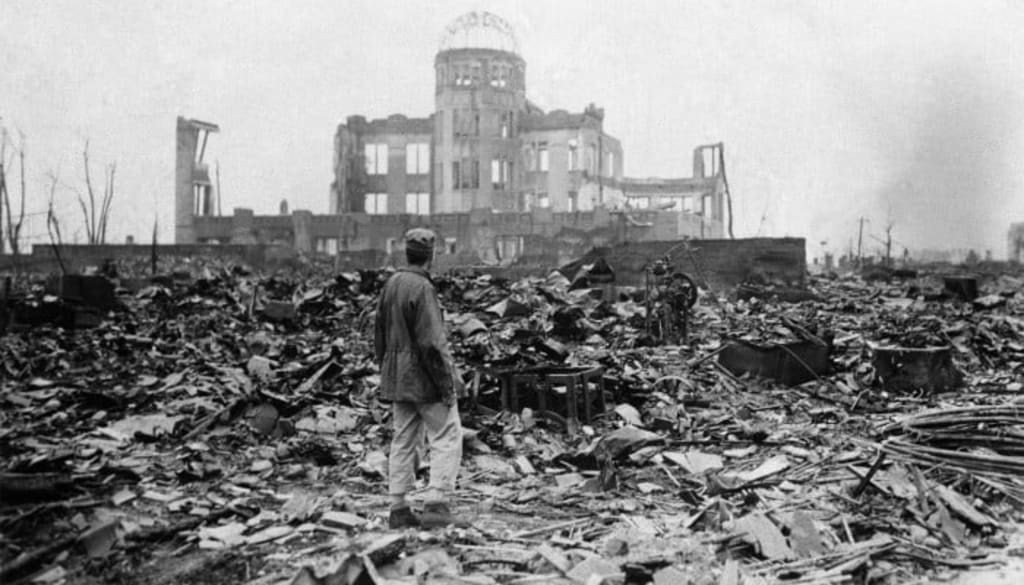
Introduction
On August 9, 2025, the city of Nagasaki in Japan marked the 80th anniversary of the atomic bombing that devastated the city during World War II. At exactly 11:02 a.m., people gathered at the Nagasaki Peace Park to observe a moment of silence. This was the exact time when the atomic bomb was dropped on the city on August 9, 1945. Survivors, families of victims, local officials, and visitors from many countries took part in the memorial event to remember the terrible destruction and loss of life caused by the bomb.
This day is an important reminder of the horrors of nuclear war and the urgent need for peace and disarmament around the world. Mayor Shiro Suzuki, whose own parents survived the bombing, used the occasion to issue a strong warning about the dangers that the world still faces today. His message was clear: we must work together to prevent another nuclear war.
This article will explain the significance of the 80th anniversary, the mayor’s message, the current threats from nuclear weapons, and what the future might hold if countries do not take action.
The Historical Background: What Happened in Nagasaki on August 9, 1945?
In the final months of World War II, the United States dropped two atomic bombs on Japan. The first bomb was dropped on Hiroshima on August 6, 1945. Three days later, on August 9, a second atomic bomb was dropped on Nagasaki.
The bomb exploded at 11:02 a.m., killing tens of thousands of people instantly. Many more died later from injuries and radiation sickness. Entire neighborhoods were destroyed, and survivors faced years of suffering.
The bombings led to Japan’s surrender and the end of World War II, but at a terrible cost. The world saw the destructive power of nuclear weapons for the first time. Since then, Nagasaki and Hiroshima have become symbols of peace and the urgent need to prevent nuclear war.
The 80th Anniversary: A Moment of Remembrance and Reflection
This year, on the 80th anniversary, thousands of people gathered at Nagasaki Peace Park. Attendees included survivors of the bombing, their families, local residents, government officials, and international visitors from about 90 countries.
At exactly 11:02 a.m., the crowd observed a moment of silence to honor those who lost their lives. Bells tolled and the city fell silent to remember the horror of that day.
Many speeches were given to remind the world of the terrible cost of nuclear war and to call for peace. The event was a powerful reminder that the threat of nuclear weapons remains real even after eight decades.
Mayor Shiro Suzuki’s Personal Connection and Warning
Mayor Shiro Suzuki spoke at the ceremony. His message was especially powerful because his own parents were survivors of the bombing. He spoke about the pain and suffering caused by nuclear weapons and how it has affected his own family and the whole city of Nagasaki.
Mayor Suzuki warned that the world today faces growing dangers. Conflicts between countries are becoming more tense, and the risk of nuclear war is rising. He urged world leaders and people everywhere to take action to reduce these dangers.
He warned that simply talking about peace is not enough. Without real action to control and eliminate nuclear weapons, the world could face another catastrophic war. His warning was a chilling reminder that the horrors of 1945 could happen again if the world does not change its course.
The Importance of the Treaty on the Non-Proliferation of Nuclear Weapons (NPT)
One of the key points Mayor Suzuki mentioned is the upcoming review conference for the Treaty on the Non-Proliferation of Nuclear Weapons (NPT) scheduled for 2026.
The NPT is an international treaty aimed at preventing the spread of nuclear weapons and promoting disarmament. It is seen as one of the most important agreements for global peace and security.
Mayor Suzuki emphasized that this review will be crucial for the future of the world. He said that more discussions alone will not solve the problem. Concrete steps are needed to reduce nuclear arsenals and work towards a world without nuclear weapons.
The Current Threat of Nuclear Weapons
Although the atomic bombings of World War II are in the past, nuclear weapons remain a serious threat today. Several countries still have large stockpiles of nuclear arms, and new weapons technology continues to develop.
The risks include:
- Accidental War: Mistakes or misunderstandings could lead to a nuclear attack.
- Nuclear Arms Race: Some countries are building new nuclear weapons or upgrading old ones.
- Tensions Between Countries: Conflicts and distrust increase the chance of nuclear weapons being used.
- Terrorism: There is a risk that terrorist groups could obtain nuclear materials.
Because of these dangers, the world needs stronger efforts to control and reduce nuclear weapons.
Nagasaki’s Role as a City of Peace
Since the bombing, Nagasaki has dedicated itself to promoting peace and nuclear disarmament. The city holds annual memorials and education programs to remind people of the effects of nuclear weapons.
Mayor Suzuki said he wants Nagasaki to be the last city ever hit by an atomic bomb. The city works with other survivors and peace organizations around the world to call on governments to stop nuclear weapons.
Nagasaki’s message is clear: the world must not forget the pain caused by nuclear war and must work hard to build a safer future.
How Can the World Prevent Another Nuclear War?
Preventing nuclear war is a difficult but necessary task. Here are some ways the world can move toward peace:
1. Disarmament and Arms Control
Countries with nuclear weapons should reduce their stockpiles. Agreements like the NPT and new treaties can help limit the spread and use of nuclear arms.
2. Diplomacy and Dialogue
Countries need to talk and work together to resolve conflicts peacefully. Building trust and communication is key to avoiding misunderstandings that could lead to war.
3. Education and Awareness
Teaching people, especially younger generations, about the dangers of nuclear weapons can help build a global culture of peace.
4. Support for Survivors
Listening to and supporting survivors of nuclear bombings reminds the world of the human cost of these weapons.
5. International Cooperation
Global organizations like the United Nations play a vital role in promoting peace and security. Strong international cooperation is needed to tackle nuclear threats.
The Role of Individuals: How We Can Help
While governments have the main responsibility to control nuclear weapons, individuals also have a role to play:
- Spread Awareness: Share information about the dangers of nuclear weapons.
- Support Peace Groups: Join or donate to organizations working for disarmament.
Vote for Leaders Who Promote Peace: Encourage policies that reduce the risk of war.
Promote Dialogue: Encourage understanding and cooperation in your communities.
Every person can help build a world that values peace over conflict.
Conclusion: A Hope for a Safer Future
The 80th anniversary of the atomic bombing of Nagasaki is a solemn reminder of the terrible power of nuclear weapons. Mayor Shiro Suzuki’s warning calls on all of us to act before it is too late.
We must remember the past, learn from it, and work together to create a world free from nuclear threats. Nagasaki’s hope is that no city will ever suffer the horrors of an atomic bomb again.
The road to peace is long and challenging, but it is possible. With courage, cooperation, and commitment, the world can build a safer future for generations to come.
About the Creator
Finallen
Passionate about sharing the latest news and real-world stories. I publish high-quality, fact-checked content to keep readers informed and engaged. Follow for timely updates, insights, and trusted coverage on current events.
Spirometer Market Outlook: Respiratory Diagnostics Demand and Healthcare Innovation Opportunities
According to IMARC Group's latest research publication, The global spirometer market size reached USD 1,227.0 Million in 2024. Looking forward, IMARC Group expects the market to reach USD 2,468.2 Million by 2033, exhibiting a growth rate (CAGR) of 7.67% during 2025-2033.
By James Whitman4 days ago in Futurism
Cybersecurity Market: Rising Cyber Threats, Advanced Security Solutions & Industry Growth Outlook
According to IMARC Group's latest research publication, The global cybersecurity market size reached USD 326.2 Billion in 2025. Looking forward, IMARC Group expects the market to reach USD 676.3 Billion by 2034, exhibiting a growth rate (CAGR) of 8.40% during 2026-2034.
By sujeet. imarcgroup3 days ago in Futurism
Sometimes It's Like That and That'sThe Way It Is
It was the late 1960s, and ten-year-old Gloria Coleman was standing with her grandmother on the side of the highway waiting for the bus. As the Greyhound pulled up, it seemed monstrous and intimidating. Grandma Elizabeth grabbed Gloria's hand, holding it tightly as they boarded.
By Cheryl E Preston3 days ago in Fiction



Comments
There are no comments for this story
Be the first to respond and start the conversation.