
Medication Tracker App Development: Everything You Need to Know Before You Build
Developing a Medication Tracking App: Essential Elements and Success Strategies

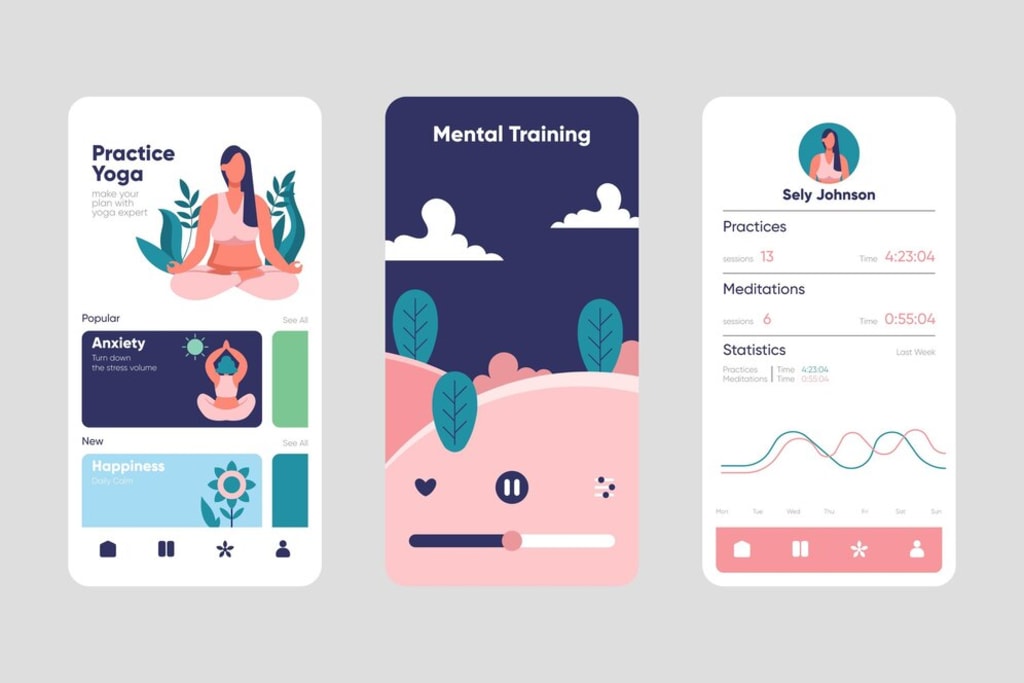
Ever wondered if you actually swallowed that morning pill in your sleepy haze? Or maybe you're juggling a bunch of different medications, and keeping the timing straight feels like trying to solve a Rubik's Cube blindfolded? In today's whirlwind of activities, remembering to take our medications correctly can be a real challenge. That's where the cool idea of a medication tracker app pops up! But what's the secret sauce behind building one of these digital helpers? What are the super important things to think about before you even start? And how can you make your app the one that everyone wants to use? Just like with fitness app development, the key is understanding the user’s needs and making the experience as smooth and helpful as possible. Let’s peek behind the curtain and explore what goes into making a helpful medication tracker app.
Why Bother Building an App to Track Medicine?
Let's be honest: how many times have you misplaced that scribbled prescription from the doctor or suddenly realized you're down to your last pill with no time to get more? For folks who rely on regular medication for things like keeping their allergies in check or managing other health stuff, these little slip-ups can actually cause bigger problems. A well-made medication tracker app is like a trusty sidekick right there on your phone, offering a bunch of helpful features. It can give you friendly nudges when it's time to take your meds, keep a clear record of what you've taken and when, and even show you a history of your medication habits.
How the App Gets Built: The Important Steps
Building a successful medication tracker app involves several important stages:
1. Planning and Doing Your Homework
Before anyone starts writing computer code, careful planning is a must. This includes figuring out exactly who you're building the app for, checking out other similar apps to see what they do well and what they're missing, and deciding on the main features your app will have. What will make your app stand out from the crowd? What special value will it offer to users?
2. Designing How It Looks and Feels (UI/UX)
The way the app looks (the user interface or UI) and how easy and enjoyable it is to use (the user experience or UX) are super important for getting people to actually use and like your app. The focus should be on creating a smooth and intuitive way for users to log their medications, set their reminders, and look at their past medication history.
3. Actually Building the App (Front-end and Back-end)
This is where the app really comes to life. The front-end is everything you see and touch on your phone – the buttons, the screens, all the visuals. The back-end is like the hidden engine that powers the app – it's where all the data is stored, the logic happens, and it talks to the servers.
4. Testing and Making Sure It's Top-Notch
Thorough testing is crucial to find and fix any bugs or problems before the app is released to the public. This includes checking if all the features work correctly, if the app is easy to use, and if it keeps users' information safe and private. Think of it like getting a full check-up for your app before it goes live.
5. Putting It Out There and Keeping It Up-to-Date
Once the app has been tested and you're happy with it, you can release it to the app stores. But that's not the end of the story! You need to keep maintaining it, providing updates to fix any new issues or add new features, and offering support to users who might have questions or need help. It's also a good idea to listen to what users are saying and continuously improve your app based on their needs and suggestions.
Wrapping Up: Using Tech to Help People
Creating a medication tracker app is about much more than just writing lines of computer code; it's about giving people a powerful tool to better manage their health and well-being. By providing a reliable and easy-to-use way to keep track of their medications, you can really make a positive impact on people's lives.
So, let's go back to those initial questions. What's involved in building such an app? It takes careful planning, a user-friendly design, solid development work, and ongoing attention to keep it running smoothly. What are the key things to consider? Focusing on essential features like reminders, help with refills, tracking medication intake, and making sure it's easy for everyone to use are crucial. And how can you make your app stand out? By offering something unique, prioritizing a great user experience, and maybe even connecting with other helpful health platforms.
About the Creator
Hazel Johnson
Hello, this is Hazel Johnson from Apptunix, where I specialise in on-demand food delivery app development. Our staff provides extensive knowledge and creativity to every project.
Keep reading
More stories from Hazel Johnson and writers in Futurism and other communities.
Why Businesses Are Investing in Developing a Health and Fitness App in 2025
Imagine your phone, right? It's not just for games and chatting anymore. Look around, and you'll see tons of apps popping up, all about being healthy and fit. There are apps that tell you what to eat, apps that show you how to work out, and even apps that remind you to drink water! It’s like everyone suddenly discovered how cool being healthy is. But here's the big question: why are all these big companies, and even specialized fitness app development company, suddenly so interested in making these health and fitness apps? Are they just trying to jump on a trend, like when everyone wanted fidget spinners? Or is there something more to it, something deeper that makes them think, "Hey, we need to make an app for that!"? Think about it, they could be making apps for anything, like games or cool gadgets, but they're choosing to make apps about running, eating veggies, and sleeping well. Why? Is it because they really care about us being healthy? Or is it because they see a way to make money? Or maybe it’s a mix of both? It's kind of like when you see a new superhero movie coming out; everyone wants to see it, and the movie studios know they can make a lot of money. But with these health apps, it feels different, like they're trying to help us be our own superheroes, strong and healthy.
By Hazel Johnson10 months ago in Futurism
About Binding Prometheus
I want to start actively advocating on behalf of my own work, and the most valuable part of my canon is, without a doubt, Binding Prometheus, the play I have been working on since 2019 and only finished in 2023 as part of my MA. The play itself is an amalgamation of a million different inspirations. On one end, it evokes the Ancient Greek myth-play, deriving its own title from the earliest extant work of Western drama we have, Aeschylus’s Prometheus Bound. On the other end, it borrows significantly from the sci-fi bulwarks from over the years, namely Mary Shelley’s Frankenstein and Karel Capek’s Rossum’s Universal Robots. The play could be an episode of Black Mirror, I fear. I don’t know. I’ve only ever seen one episode of Black Mirror.
By Steven Christopher McKnight23 days ago in Futurism
Global Textile Market Size & Forecast 2025–2033: Innovation, Sustainability, and Expanding Demand Redefine a Trillion-Dollar Industry
Global Textile Market Outlook The global textile market is undergoing a remarkable transformation, driven by innovation, sustainability, and rapidly changing consumer preferences. According to Renub Research, the market is anticipated to reach US$ 3,606.70 billion by 2033, up from US$ 1,955.22 billion in 2024, expanding at a CAGR of 7.04% during the forecast period 2025–2033.
By Aaina Oberoi5 days ago in Futurism


Comments
There are no comments for this story
Be the first to respond and start the conversation.