

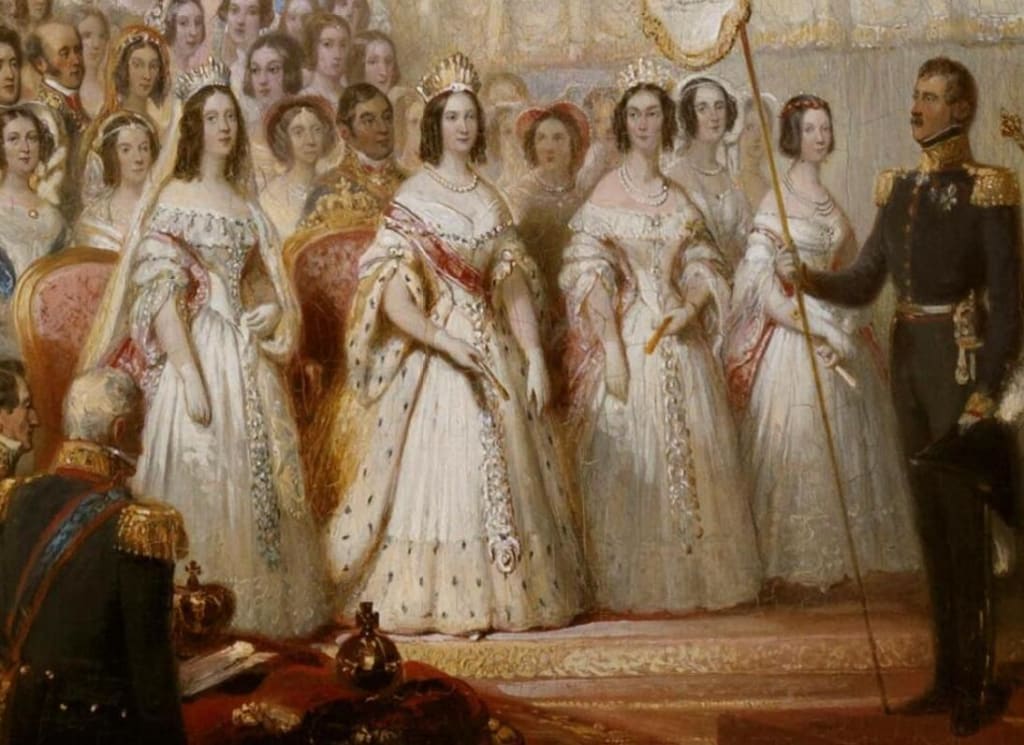
Territorial Expansion and Diversity
The Russian Empire was unparalleled in its size, spanning three continents—Europe, Asia, and North America. From the Arctic Ocean in the north to the Black Sea in the south, and from the Baltic Sea in the west to the Pacific Ocean in the east, the empire encompassed a variety of climates, landscapes, and peoples.
This vast territory brought together numerous ethnic groups, languages, and religions. While this diversity was a source of cultural richness, it also posed challenges to governance. The empire’s rulers implemented various strategies, ranging from assimilation to suppression, to maintain control over its heterogeneous population.
Governance and Administration
The governance of the Russian Empire was deeply centralized, with the emperor, or tsar, wielding absolute power. The Romanov dynasty, which ruled from 1613 until the fall of the empire, solidified autocracy as a central feature of Russian political life.
Under Catherine the Great, the empire reached its zenith in terms of cultural and territorial development. Her reign saw the flourishing of the arts, the expansion of educational institutions, and significant territorial acquisitions, including Crimea. Catherine’s correspondence with leading Enlightenment thinkers such as Voltaire showcased her intellectual aspirations, even as she maintained an iron grip on her subjects.
Cultural Achievements
The Russian Empire was a hub of cultural innovation and artistic achievement. Its literature, music, and visual arts gained international acclaim during the 19th century.
Writers like Leo Tolstoy and Fyodor Dostoevsky delved into the complexities of the human condition, producing works that resonate globally to this day. In music, composers such as Pyotr Tchaikovsky and Modest Mussorgsky created timeless masterpieces that embodied the spirit of the Russian soul. The empire’s architecture, from the onion domes of Moscow’s cathedrals to the neoclassical facades of St. Petersburg, reflected a blend of traditional and Western influences.
Challenges and Decline
Despite its grandeur, the Russian Empire faced numerous challenges that ultimately led to its downfall. Socioeconomic inequality was rampant, with a vast majority of the population living as serfs until their emancipation in 1861 under Alexander II. Even after this landmark reform, peasants continued to endure harsh living conditions and limited opportunities for advancement.
The rapid pace of industrialization in the late 19th and early 20th centuries brought its own set of challenges. Urban workers demanded better wages and working conditions, leading to strikes and unrest. Meanwhile, nationalistic movements among the empire’s many ethnic groups intensified, threatening the unity of the state.
The Fall of the Empire
The Russian Empire’s collapse was hastened by its involvement in World War I. The war drained the empire’s resources and exposed the inefficiencies of its government and military. The February Revolution of 1917 marked the end of the Romanov dynasty, as Tsar Nicholas II abdicated the throne.
In the chaotic months that followed, the Provisional Government attempted to stabilize the nation but faced resistance from the Bolsheviks, a revolutionary socialist faction. The October Revolution of 1917 saw the Bolsheviks seize power, leading to the establishment of Soviet Russia and marking the definitive end of the Russian Empire.
Legacy of the Russian Empire
The legacy of the Russian Empire is complex and multifaceted. On one hand, it was a period of cultural flourishing and territorial expansion that shaped the course of Russian history. On the other hand, it was a time of stark inequalities and autocratic rule that left deep scars on its society.
Today, the remnants of the Russian Empire’s influence can be seen in the architecture of its cities, the traditions of its people, and the geopolitical aspirations of modern Russia. For many, the empire remains a source of fascination and a subject of study, reflecting both its triumphs and its tragedies.
Sharing the Story on Tumblr
For Tumblr users interested in history, the Russian Empire offers endless inspiration. From aesthetically pleasing photographs of St. Petersburg’s canals to deep dives into the lives of figures like Peter the Great and Catherine the Great, the empire provides a wealth of content that can be adapted for various interests. Combining visuals, historical anecdotes, and modern analysis creates an engaging way to bring the story of the Russian Empire to life.
The Russian Empire was a force of nature in its time, blending ambition, culture, and complexity into a historical phenomenon that continues to capture the imagination. Its rise and fall are not merely a story of power and politics but a testament to the enduring human spirit and its quest for greatness. Whether through academic study or creative expression on platforms like Tumblr, the legacy of the Russian Empire lives on, inviting us to explore and reflect on its lessons for the modern world.
About the Creator
lucas quici
Peace be upon you, I am Lucas Quick. My identity is writing articles. Help me to be with you on Medium. I hope everyone wakes up.
Keep reading
More stories from lucas quici and writers in Futurism and other communities.
About Binding Prometheus
I want to start actively advocating on behalf of my own work, and the most valuable part of my canon is, without a doubt, Binding Prometheus, the play I have been working on since 2019 and only finished in 2023 as part of my MA. The play itself is an amalgamation of a million different inspirations. On one end, it evokes the Ancient Greek myth-play, deriving its own title from the earliest extant work of Western drama we have, Aeschylus’s Prometheus Bound. On the other end, it borrows significantly from the sci-fi bulwarks from over the years, namely Mary Shelley’s Frankenstein and Karel Capek’s Rossum’s Universal Robots. The play could be an episode of Black Mirror, I fear. I don’t know. I’ve only ever seen one episode of Black Mirror.
By Steven Christopher McKnight18 days ago in Futurism
Best Software Integration Companies in the USA
As organizations scale digitally, the number of applications, platforms, and data systems they rely on continues to grow. Cloud adoption, SaaS tools, enterprise platforms, and legacy infrastructure often coexist, creating complex environments that demand reliable integration strategies.
By Isabella Rossi3 days ago in Futurism


Comments (1)
Hmm Interesting!!