
Impact of Machine Learning on Healthcare Innovations
Machine learning (ML) is revolutionizing the healthcare sector. It enhances diagnostics, personalizes treatments, and streamlines operations. It has the potential to detect diseases earlier, improve patient outcomes, and reduce costs. For example, AI-driven platforms can analyze data from patients and predict health trends, allowing for proactive interventions. EIT HEALTH Additionally, ML accelerates drug discovery by identifying potential compounds more efficiently. THE AUSTRALIAN As ML continues to evolve, its integration into healthcare promises to drive further innovations, leading to more effective and personalized patient care.

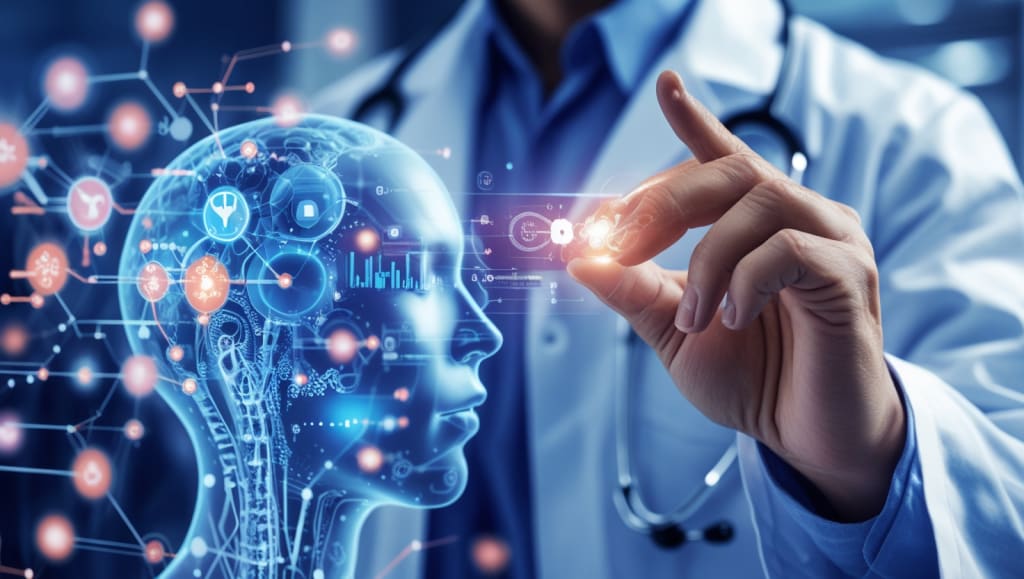
Machine learning is a subset of artificial intelligence that is revolutionizing healthcare by offering innovative solutions to long-standing challenges. By utilizing vast amounts of data and advanced algorithms, machine learning is allowing for significant breakthroughs in diagnostics, treatment planning, and patient care. This article explores the transformative impact of machine learning on healthcare innovations, highlighting its current applications, benefits, and future potential.
Enhanced Diagnostics
Probably the most prominent impact that machine learning contributes to healthcare is diagnostic accuracy. Usually, traditional diagnosis relies strictly on the medical knowledge of health practitioners, which sometimes may lead to misdiagnosis or delayed diagnosis. However, machine learning algorithms can process large sets of medical images, EHRs, and lab results to detect patterns and anomalies not noticed by the human eye.
For instance, machine learning tools are being employed to detect breast and lung cancer early through the analysis of images. Algorithms have been trained with thousands of radiological images so that abnormalities are detected with much accuracy, avoiding false positives and negatives. The same is the case with diagnosing rare genetic disorders by employing machine learning, analyzing patient phenotypes, and genetic data.
Personalized Treatment Plans
It also opens doors for personalized medicine through machine learning. By studying patient data in individual patients, including genetic profiles, medical history, and lifestyle factors, the algorithms of ML help healthcare providers come up with the best-tailored treatment plan. This type of personalized treatment increases the chances of a successful outcome while minimizing side effects.
For example, in oncology, machine learning models are being used for predicting the response patients may show to certain cancer therapies. This allows clinicians to choose the most effective treatments and avoid unnecessary interventions. Another application is developing ML-driven platforms for monitoring chronic diseases, which can adjust treatment plans in real-time, using patient data in diseases such as diabetes and hypertension .
Drug Discovery and Development
The pharmaceutical industry is gaining a lot from machine learning technologies, especially in terms of drug discovery and development. Processes that traditional drug development follows tend to be time-consuming and expensive, taking even years and billions of dollars for a new drug to hit the market. Machine learning enables accelerated process discovery and identifies potential drug candidates more efficiently.
The application of ML algorithms enables scientists to scan massive databases of chemical compounds and biological data to predict the interaction between some molecules and particular targets. It thereby minimizes extensive laboratory tests and maximizes the chances of successful drug candidates. For instance, ML models have been critical in the discovery of possible drugs for diseases such as Alzheimer's and COVID-19.
Better Patient Monitoring and Care
Machine learning is improving patient care through advanced monitoring tools and predictive analytics. Wearable devices equipped with sensors collect real-time data on vital signs, physical activity, and other health metrics. ML algorithms analyze this data to detect early signs of health deterioration, allowing for timely interventions.
For instance, in cardiology, a wearable device will monitor heart rhythm and identify abnormalities such as arrhythmias. Machine learning models can alert the patient and providers to possible conditions, allowing early management. Other applications of ML in predictive analytics are assisting hospitals in resource allocation, readmission rates, and overall patient outcomes.
Challenges and Ethical Concerns
Although machine learning undoubtedly impacts healthcare, it also brings with it challenges and ethical considerations. One of the major concerns is the privacy and security of patient data, since ML systems require access to sensitive information. Moreover, there is a risk of algorithmic bias, which could lead to unequal treatment outcomes for certain patient groups.
Healthcare organizations have to be clear, validate machine learning models correctly, and uphold ethical standards in order to mitigate these challenges. Technologists, healthcare professionals, and policymakers should collaborate to guarantee that machine learning applications benefit all patients equitably.
The Future of Machine Learning in Healthcare
The future of machine learning in healthcare is indeed very promising. As algorithms grow more complex and datasets expand, the potential of ML to change healthcare will increase. Future breakthroughs include AI-driven robotic surgeries, real-time language translation to open up healthcare access globally, and advanced predictive models for outbreaks of diseases.
By embracing machine learning, the healthcare industry will experience breakthroughs once considered impossible. From enhanced diagnostics to personalization of treatment and accelerated drug discovery, machine learning is ready to redefine how healthcare is delivered to improve patient outcomes and save lives.
About the Creator
Ankit Saini
Ankit Saini is an experienced web page developer and an article writer interested in the field of designing fascinating digital experiences as well as incisive content. Experienced in web technologies and creative storytelling.
Keep reading
More stories from Ankit Saini and writers in Futurism and other communities.
Autonomous Vehicles: Current Challenges and Future Opportunities
The emergence of autonomous vehicles represents one of the most transformative technological advancements in the automotive and transportation industries. As these self-driving cars transition from prototype to production, they promise to revolutionize how we travel, work, and live. However, this journey is fraught with challenges that must be addressed before AVs become a common sight on our roads. We talk here about the existing challenges of self-driving cars and the enormous future opportunities they create.
By Ankit Sainiabout a year ago in Futurism
Australia Construction Demolition Waste Recycling Market: Circular Economy Initiatives, Advanced Waste Processing Technologies & Sustainable Infrastructure Development
According to IMARC Group, the Australia construction and demolition (C&D) waste recycling market reached a value of USD 154,825.1 Million in 2025 and is projected to reach USD 221,492.1 Million by 2034, growing at a compound annual growth rate (CAGR) of 3.94% during 2026–2034. The market is expanding as Australia intensifies its efforts to promote sustainable construction practices and reduce landfill waste. Construction and demolition activities generate large volumes of materials such as concrete, wood, metals, asphalt and bricks that can be recovered and reused through recycling processes. Governments and environmental agencies are introducing stricter waste management regulations and recycling targets to encourage the recovery of valuable construction materials. At the same time, technological advancements in sorting, crushing and processing waste materials are improving recycling efficiency. As infrastructure development and urban expansion continue across Australia, recycling construction waste is becoming an essential component of sustainable resource management and circular economy strategies.
By Shrestha Roy4 days ago in Futurism
Architectural Analysis Through Images: How Chance AI Goes Beyond Google Lens
Visual search technology has changed how people explore the world around them. With a simple photo, users can identify objects, buildings, products, and even artwork in seconds. Tools like Google Lens have made image recognition widely accessible, helping millions of users quickly find information related to what they see. However, when it comes to fields like architecture, art, and design, identification alone isn’t enough. Understanding the deeper context of an image, its style, cultural background, and design philosophy is what truly matters.
By Maheep Makkar6 days ago in Futurism



Comments (1)
It’s good to know about machine learning!