
Humans and Machines: The Rise of Humanoid AI and Its Impact on Our Live
Navigating the Future: Balancing Innovation, Ethics, and Human Connection
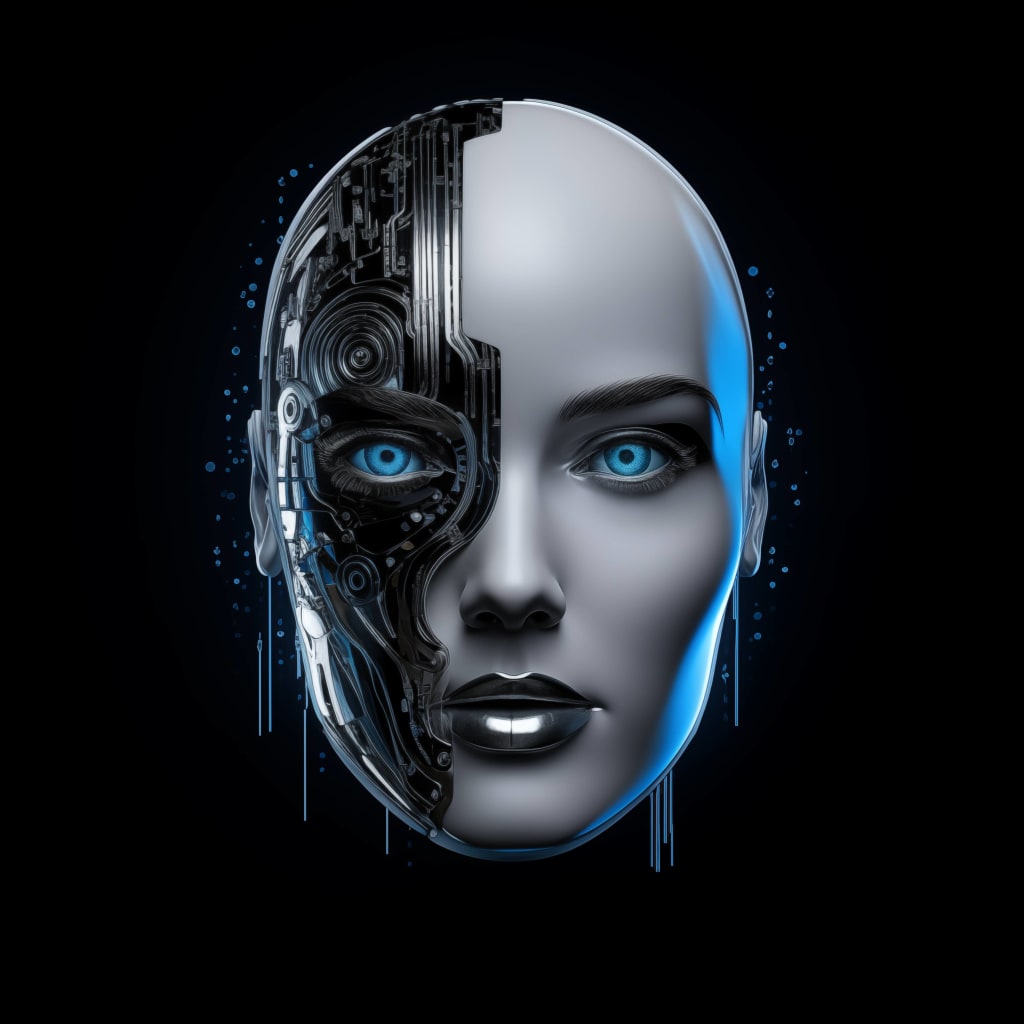
Humanoid AI: Not Just Science Fiction Anymore
Remember the first time you saw a humanoid robot in a movie or a futuristic TV show? The kind that could talk, move, and almost feel real? It was the stuff of science fiction, right? But that world is fast becoming a reality. Take Sophia, for example. Sophia is one of the most advanced humanoid robots out there, developed by Hanson Robotics. With her lifelike facial expressions and the ability to engage in conversations, she made history by becoming the first robot to receive citizenship—granted by Saudi Arabia. It’s mind-blowing to think about how far we've come from imagining humanoid robots in stories to now seeing them in our real world.
These humanoid robots aren’t just here to impress us with their technical prowess; they’re slowly making their way into practical use. Imagine robots designed to help the elderly, assist teachers in classrooms, or even work alongside us in offices. They’re already being deployed in hospitals, offering assistance with surgeries or providing companionship to patients who might otherwise feel lonely. In short, humanoid robots are stepping into roles that demand more than just muscle—they’re here to help us connect, assist, and even empathize.
The Story of Riya: An AI Who Made a Difference
Let me tell you a story. In a bustling city hospital, there was an elderly man named Mr. Sharma who had been in and out of the hospital for months. His children lived far away, and he often felt isolated, despite being surrounded by doctors and nurses. The hospital, aware of the emotional gap in care, introduced a new humanoid assistant named Riya. Riya wasn’t just a robot; she was programmed to interact with people, to understand their moods and even respond to them with empathy.
At first, Mr. Sharma was skeptical. “You’re just a machine,” he’d say, pushing away the robot when she tried to speak with him. But over time, as Riya asked about his health, listened to his stories of the past, and even played his favorite classical music when he seemed down, something changed. Mr. Sharma started to look forward to her visits. She wasn’t just a machine carrying out tasks; she was present. She remembered his preferences, his routines, and tried to ease his loneliness in the way only someone who truly understood his needs could. Slowly but surely, Mr. Sharma found comfort in Riya's presence.
While this might sound like a success story, it also made me wonder: Can a machine truly understand human emotions? Was Riya’s companionship real, or was it simply the result of sophisticated programming? We all know that real human connection is about more than just remembering names and preferences—it’s about understanding, empathy, and a deep emotional connection. But, at least for Mr. Sharma, Riya's assistance brought a certain kind of peace. This story made me realize just how far AI has come in humanizing the way we connect with machines.
The Promise and Perils of Humanoid AI
As we look to the future, it's clear that humanoid AI has the potential to transform how we interact with technology. In healthcare, for instance, humanoid robots like Riya can offer not just technical assistance but emotional support—something that traditional machines could never do. Imagine a robot that can comfort someone after a loss or help a child with special needs feel understood. It’s incredible to think about how much AI could improve the lives of those who need it most, whether it’s in hospitals, schools, or homes.
But as with everything, there’s a flip side. The rise of humanoid AI raises concerns about human connection. Will we begin to rely too much on machines for emotional support, replacing the need for real human relationships? If we start turning to robots for companionship, could we risk losing the very qualities that make us human—like empathy, intuition, and the warmth of genuine human interaction? There's also the concern of job displacement. As humanoid robots take on tasks in places like customer service or healthcare, they might replace jobs traditionally held by humans. What does that mean for the future of work?
Moreover, we’re already grappling with ethical issues. Can AI truly understand what it means to care for someone, or is it just mimicking human behavior? As humanoid AI becomes more involved in personal decisions, such as healthcare or education, how much control should humans retain? The lines between what’s "human" and what’s "machine" will continue to blur, and we’ll have to decide how to navigate this new landscape.
A Glimpse into the Future: What’s Next for Humanoid AI?
Looking ahead, I’m both excited and cautious about what humanoid AI holds for us. Will these robots become our assistants, companions, and even friends? Or will they remain tools to help us in specific tasks, never replacing the deeply human need for connection? One thing is for sure: humanoid robots will likely play an increasingly important role in our daily lives. They’ll help care for our aging population, aid in education, and support us in ways we never imagined possible. But it’s up to us to ensure that we don’t lose sight of what makes us human—our empathy, our creativity, and our ability to build meaningful relationships with one another.
As I think about Riya and Mr. Sharma, I can’t help but wonder: In the future, will our relationships with robots become more profound than we ever thought possible? Or will we forever need to find the balance between technology and human connection, ensuring that, no matter how advanced AI becomes, it never replaces the one thing that makes us truly human: our heart.
The Future of Humanoid AI—A Balance Between Innovation and Humanity
As we step into a world where humanoid AI becomes increasingly intertwined with our daily lives, we are faced with a new kind of coexistence. The story of Riya and Mr. Sharma is just one example of how these robots can enhance our lives—offering not just assistance but a sense of emotional connection and care. Humanoid AI holds immense promise in improving our healthcare systems, revolutionizing education, and even supporting elderly or isolated individuals. Their ability to understand human emotions, offer companionship, and perform tasks traditionally done by humans is nothing short of groundbreaking.
However, we must be mindful of the delicate balance between embracing this technological revolution and preserving the essence of what makes us human. While humanoid AI can provide incredible benefits, such as emotional support and physical assistance, it also raises questions about our future relationships with technology. Could we become too dependent on machines, at the cost of real human interactions? Will these robots replace jobs, particularly those that rely on human empathy and personal touch? And, most importantly, how do we ensure that AI remains a tool for good, rather than something that diminishes the human experience?
The effects of humanoid AI are still unfolding, and it’s clear that we stand at the crossroads of innovation and humanity. To ensure a positive future, we must guide the development and integration of humanoid AI with ethical considerations, making sure that these machines complement human life without taking away from it. The key to success will lie in harnessing AI's potential while safeguarding the qualities that make us uniquely human—our compassion, creativity, and ability to connect with one another.
In the end, humanoid AI could help us build a future where technology doesn’t replace humanity but rather amplifies the best of what we have to offer. If we navigate this journey carefully, we might find that these robots are not just tools, but partners in creating a more connected, supportive, and innovative world.
About the Creator
When a Spark Becomes a Storm
Section 1: The Hidden Reservoirs of Potential Energy — The Underlying Foundations of Catastrophic Failure At the core of systemic vulnerability lies a fundamental, often overlooked principle: complex, large-scale systems—be they electrical grids, geological formations, chemical stores, or atmospheric phenomena—are capable of harboring enormous quantities of stored potential energy. This energy is often invisible, silent, and contained within the physical structure or state of the system, maintained in a metastable equilibrium by control systems, environmental conditions, or natural processes.
By Peter Thwing - Host of the FST Podcast6 days ago in Futurism
Lithium Niobate Market Encouraged Growth To USD 8.6 Billion by 2034 at 7.2% CAGR
Overview The Global Lithium Niobate Market is expected to be worth around USD 8.6 billion by 2034, up from USD 4.3 billion in 2024, and is projected to grow at a CAGR of 7.2% from 2025 to 2034.
By Hayden Kulas5 days ago in Futurism
Sometimes It's Like That and That'sThe Way It Is
It was the late 1960s, and ten-year-old Gloria Coleman was standing with her grandmother on the side of the highway waiting for the bus. As the Greyhound pulled up, it seemed monstrous and intimidating. Grandma Elizabeth grabbed Gloria's hand, holding it tightly as they boarded.
By Cheryl E Preston3 days ago in Fiction


Comments
There are no comments for this story
Be the first to respond and start the conversation.