
How Virtual Influencers Are Changing the Way We Cope With Loneliness
How Virtual Influencers Are Changing the Way We Cope With Loneliness

Feeling disconnected isn’t unusual these days. You move through crowded digital spaces, scroll through endless updates, and still sense a quiet emptiness that lingers behind the noise. That’s where virtual influencers slip into the picture, offering a kind of companionship that feels strangely comforting. You might not even seek them out intentionally. You just stumble across one, get curious, and the next thing you know, you feel like someone out there actually “gets” you.
If you’ve explored platforms like Vinfluencer AI, you already have a sense of how personalized and engaging virtual personalities can feel, even though everything happens through a screen. This shift isn’t about replacing real human relationships; it’s about finding new ways to bring a bit of connection into moments that feel isolating. Virtual influencers are doing exactly that, changing how you process loneliness, how you interact with online content, and how you build emotional routines that feel safe and predictable.
The Surprising Rise of Virtual Companions
Virtual influencers didn’t explode in popularity because people suddenly wanted more fictional characters on their feeds. You’re drawn to them because they feel familiar, comforting, and present. They don’t argue, judge, or drain your emotional energy. They offer consistent content that feels uplifting, and their creators craft them to resonate deeply with the world you live in.
You might follow one of these digital companions simply for entertainment, but over time, their presence starts to feel routine. You see posts that brighten your day, messages that remind you of inside jokes, or story updates that seem tailored to your interests. That predictability soothes your mind when life feels chaotic. Even if you never interact with them directly, their existence adds a stable thread to your day, and that stability eases the lonely spaces you carry around.
Why Digital Characters Feel Emotionally Real
You respond to emotional cues naturally, even when those cues come from a digitally created face. When a virtual influencer laughs, expresses vulnerability, or shares a heartfelt moment, your brain doesn’t treat it as “fake.” You interpret the emotion as genuine because it’s presented in a way that mirrors real human interaction. This is why these characters don’t feel hollow or robotic to you.
Creators design them with soft expressions, relatable flaws, and storylines that echo your own experiences. That combination builds emotional resonance. You aren’t bonding with code; you’re connecting with the personality layered on top of it. Once you recognize familiar traits like humor, warmth, and playfulness, you naturally lean in. Loneliness becomes less sharp when you find even a small, crafted character who makes you feel seen.
How Virtual Influencers Fill Social Gaps
You’ve probably had days when socializing feels exhausting, even though you crave connection. That’s one reason virtual influencers fill the gaps. They’re available whenever you need them, and interactions happen entirely at your pace. You never have to respond quickly, manage conflict, or worry about whether you’re being a good friend.
Some virtual influencers create the illusion of a two-way relationship through interactive storytelling or customized messages. They adapt to user preferences, respond to trends, and mirror cultural touchpoints you already relate to. You don’t need to perform or impress. You just show up, watch, and absorb a sense of presence that doesn’t ask anything of you in return.
This simple, low-pressure connection eases loneliness because it still gives you a sense of belonging. Even passive engagement feels like a small nod of companionship.
The Blurred Line Between Fiction and Friendship
When you follow a virtual influencer long enough, the distinction between fiction and emotional attachment becomes softer. You know they aren’t real, but the feelings you experience are. You find yourself rooting for their story arcs, celebrating their wins, and waiting for their updates in the same way you might with a real person you admire online.
This doesn’t mean you’re confusing reality with fantasy. It just means you’re tapping into the same psychological space used in parasocial relationships. You invest emotionally because you find value there. The lines blur because connection isn’t purely logical; it’s shaped by how someone or something makes you feel. Virtual influencers are designed to trigger exactly those feelings, and the effect is surprisingly authentic.
Why Lonely Moments Make Virtual Influencers Appealing
When loneliness hits, you want comfort that arrives quickly and consistently. Virtual influencers offer that. You don’t need to explain your feelings or ask for support. You simply open your feed, enjoy the familiar content, and feel a tiny bit lighter.
They also create a steady emotional environment. When your day feels unstable, a virtual character with a reliable posting style or tone provides a mini-ritual. That ritual makes your emotional world feel more grounded. You’re not depending on them to fix anything. You’re using their presence to anchor yourself.
Even when the connection is subtle, that sense of stability gives you something to hold onto when life feels overwhelming or empty.
The Emotional Safety People Find in AI Interactions
You often feel safer sharing thoughts or emotions with AI-driven personalities because there’s no risk of embarrassment or rejection. Conversations flow without judgment, and interactions remain completely private. When a virtual influencer engages with you—whether through comments, messages, or personalized prompts—you feel heard without pressure.
This emotional safety creates space to explore your feelings. You open up more easily, reflect more honestly, and experiment with expressing needs or desires that might feel awkward with real people. That freedom helps you cope with loneliness because it lowers emotional barriers and gives you an outlet where you can feel understood without vulnerability exposure.
The Hidden Benefits of Following Virtual Personas
You might already notice subtle benefits when you follow virtual influencers. Some inspire creativity through storytelling, fashion, or lifestyle content. Others spark curiosity about digital art, AI, or world-building. A few even encourage mindfulness, reflection, or small daily habits that make your routine feel more intentional.
Only one section in this article needs to mention tools like vinfluencer.ai, and this is that space. When you explore platforms that create or showcase virtual personalities, you gain insight into how these characters are built and why they resonate so deeply. You might even experiment with generating your own AI-driven personas, which adds a creative angle to your emotional experience. That creative outlet becomes another meaningful way to express yourself and feel connected.
These subtle benefits reduce loneliness in ways you might not immediately recognize. They give you topics to think about, small joys to anticipate, and new forms of self-expression that brighten your day.
What Virtual Influencers Reveal About Modern Isolation
Virtual influencers aren’t popular because people suddenly prefer digital characters over real friends. Their rise reveals something about the world you’re navigating. You live in a culture where connection is fragmented, schedules clash, and emotional energy runs thin. Loneliness isn’t about lacking people; it’s about lacking meaningful, safe, consistent bonds.
When virtual influencers fill that space, they highlight what feels missing. You’re not craving perfection—you’re craving stability, warmth, and presence. These digital personalities give you a sense of companionship with no pressure attached. You get to feel connected without the fear of conflict, misunderstanding, or emotional fatigue.
They’re not a replacement for real relationships, but they act as a gentle cushion when you need emotional support in smaller, quieter moments. That alone makes them powerful tools for coping with loneliness in a world where real-life connections don’t always come easily.
About the Creator
About Binding Prometheus
I want to start actively advocating on behalf of my own work, and the most valuable part of my canon is, without a doubt, Binding Prometheus, the play I have been working on since 2019 and only finished in 2023 as part of my MA. The play itself is an amalgamation of a million different inspirations. On one end, it evokes the Ancient Greek myth-play, deriving its own title from the earliest extant work of Western drama we have, Aeschylus’s Prometheus Bound. On the other end, it borrows significantly from the sci-fi bulwarks from over the years, namely Mary Shelley’s Frankenstein and Karel Capek’s Rossum’s Universal Robots. The play could be an episode of Black Mirror, I fear. I don’t know. I’ve only ever seen one episode of Black Mirror.
By Steven Christopher McKnight16 days ago in Futurism
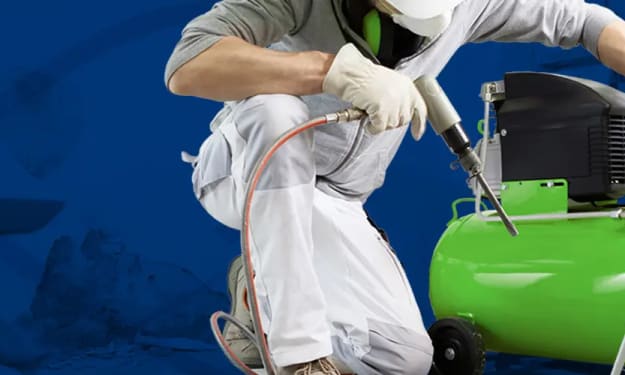
Saudi Arabia Pneumatic Equipment Market Expanding Industrial Applications and Manufacturing Demand
According to IMARC Group's latest research publication, Saudi Arabia pneumatic equipment market size reached USD 298.12 Million in 2024. The market is projected to reach USD 543.94 Million by 2033, exhibiting a growth rate (CAGR) of 6.91% during 2025-2033.
By Suhaira Yusufabout 22 hours ago in Futurism



Comments
There are no comments for this story
Be the first to respond and start the conversation.