
How to Use Analytics to Optimize Your Digital Marketing Campaigns
Digital Marketing is the most important for the business.

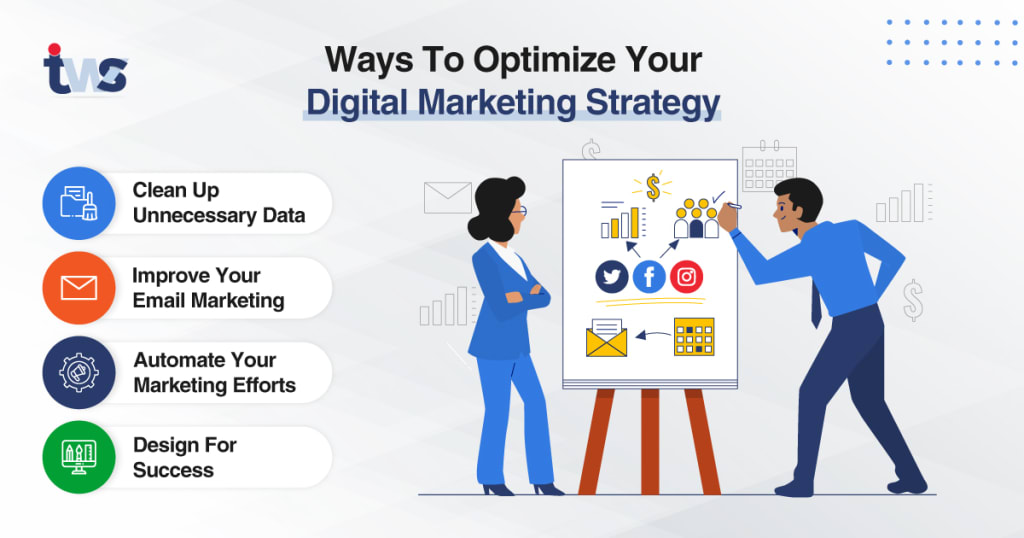
In the dynamic world of digital marketing, data-driven decision-making is crucial for optimizing campaigns and achieving success. Analytics provides insights that can significantly enhance your marketing strategies, helping you understand what works, what doesn’t, and how to adjust your efforts for better results. Here’s a guide on how to leverage analytics to optimize your digital marketing campaigns.
### **1. Set Clear Objectives**
Before diving into analytics, it’s essential to define clear, measurable objectives for your campaigns. Whether your goal is to increase website traffic, generate leads, or boost sales, having specific targets helps in tracking performance accurately. Objectives should follow the SMART criteria: Specific, Measurable, Achievable, Relevant, and Time-bound.
### **2. Choose the Right Metrics**
With clear objectives in mind, select the key performance indicators (KPIs) that align with your goals. Common metrics include:
- **Traffic Metrics:** Total visits, unique visitors, and page views.
- **Engagement Metrics:** Bounce rate, average session duration, and pages per session.
- **Conversion Metrics:** Conversion rate, cost per conversion, and return on investment (ROI).
- **Revenue Metrics:** Total revenue, average order value, and customer lifetime value.
Selecting the right metrics allows you to focus on what truly matters and makes it easier to evaluate campaign effectiveness.
### **3. Implement Analytics Tools**
To gather and analyze data, leverage powerful analytics tools. Google Analytics is a popular choice, offering comprehensive insights into website performance, user behavior, and more. Other tools like Adobe Analytics, SEMrush, and HubSpot provide additional features tailored to different needs.
Ensure that tracking codes and pixels are correctly installed on your website and digital assets to capture accurate data. Regularly check for tracking issues to maintain data integrity.
### **4. Monitor Real-Time Data**
Real-time data monitoring allows you to observe how your campaigns are performing as they unfold. Tools like Google Analytics offer real-time reporting, enabling you to track live user interactions, immediate response to marketing efforts, and quick identification of any issues.
This instant feedback helps in making timely adjustments to campaigns, such as tweaking ad copy or reallocating budget based on current performance.
### **5. Analyze User Behavior**
Understanding user behavior is critical for optimization. Utilize features like heat maps, session recordings, and user journey tracking to gain insights into how visitors interact with your site. Identify patterns such as where users drop off, which pages they spend the most time on, and how they navigate through your site.
Analyzing this data helps in identifying bottlenecks and optimizing user experience. For instance, if users frequently abandon their shopping cart, you might need to streamline the checkout process.
### **6. Conduct A/B Testing**
A/B testing, or split testing, involves comparing two versions of a campaign element to determine which performs better. Test different variations of email subject lines, landing page designs, ad copy, or calls to action (CTAs) to see which version drives better results.
Use the insights from A/B tests to refine your strategies and make data-driven decisions. Continually testing and iterating helps in optimizing campaign elements for higher engagement and conversions.
### **7. Evaluate Campaign Performance**
Regularly review campaign performance reports to assess how well your campaigns are achieving your objectives. Look beyond surface metrics and dive into deeper analyses such as customer segmentation and multi-channel attribution.
Assess which channels and campaigns are delivering the best results and identify any underperforming areas. This evaluation helps in reallocating resources and optimizing efforts for maximum impact.
### **8. Leverage Predictive Analytics**
Predictive analytics uses historical data and statistical algorithms to forecast future outcomes. By analyzing past performance, you can predict future trends, customer behavior, and campaign effectiveness.
Utilize predictive analytics to anticipate customer needs, optimize budget allocation, and plan future campaigns with greater precision. This forward-looking approach helps in staying ahead of the curve and making proactive adjustments.
### **9. Implement Data-Driven Decision Making**
Analytics should drive your decision-making process. Use the insights gained from data to inform your strategies and tactics. Base decisions on evidence rather than assumptions to improve campaign performance and achieve better results.
Regularly review and update your strategies based on the latest data, trends, and insights. This iterative approach ensures that your digital marketing campaigns remain effective and aligned with your objectives.
### **10. Continuously Learn and Adapt**
The digital marketing landscape is constantly evolving, and so should your approach. Stay updated with the latest analytics trends, tools, and best practices. Continuously seek opportunities for learning and adaptation to ensure that your campaigns remain relevant and optimized.
In conclusion, utilizing analytics effectively allows you to make informed decisions, optimize your digital marketing campaigns, and achieve your goals. By setting clear objectives, choosing the right metrics, and leveraging data-driven insights, you can refine your strategies, enhance performance, and drive better results.
About the Creator
About Tech
This is the biggest blog on technology. Here you can find all kinds of information of technology.
Keep reading
More stories from About Tech and writers in Futurism and other communities.
Email Marketing Best Practices: How to Craft Email that Covert
Email marketing remains one of the most effective channels for engaging with your audience and driving conversions. However, to truly harness its potential, it’s essential to follow best practices that ensure your emails not only reach your audience but also resonate with them. Here’s a comprehensive guide to crafting emails that convert.
By About Tech2 years ago in Futurism
Why AI Skeptics and Boosters Might Both Be Wrong
For years, the debate over artificial intelligence has split into two loud camps: boosters predicting superintelligence and skeptics warning of overhyped snake oil. But science journalist Jacob Aron argues that both sides may be missing something important.
By Behind the Tech8 days ago in Futurism
Composite AI Market to Reach USD 18.5 Billion by 2033: Multi-Model Intelligence Transforms Enterprise Decision Systems
Market Overview The global Composite AI Market is projected to expand from USD 0.8 Billion in 2023 to approximately USD 18.5 Billion by 2033, reflecting a strong CAGR of 36.7% during the forecast period from 2024 to 2033. Composite AI refers to the integration of multiple artificial intelligence techniques such as machine learning, knowledge graphs, natural language processing, and optimization algorithms into a unified system.
By Roberto Cruma day ago in Futurism
Two Grumpy Old Men Solve the Problem
Marty and Steve were two grumpy old men who lived together. They had known each other for years. Marty had been a bachelor all his life. Steve said it was because no one could stand to ever live with. Marty’s standard reply was “Well, you are, so what sort of a moron does that make you!”
By Calvin London3 days ago in Humor




Comments
There are no comments for this story
Be the first to respond and start the conversation.